Get your free personalized podcast brief
We scan new podcasts and send you the top 5 insights daily.
The sharp rise in cancers like colorectal cancer among adults under 50 necessitates a shift in frontline diagnostics. Symptoms such as abdominal pain in a younger person, historically not a top cancer concern, must now prompt more serious consideration. Educating primary care and ER doctors to lower their diagnostic threshold for malignancy is critical.

Related Insights
True early cancer detection involves finding microscopic tumor DNA in blood samples. This can identify cancer years before it's visible on an MRI, creating an opportunity for a patient's own immune system to potentially eliminate it before it ever becomes a clinical disease.

Many childhood cancer survivors do not receive lifelong specialized follow-up, yet they face significantly increased health risks decades later. The solution is not to keep all patients in specialist clinics, but to build stronger relationships with primary care providers by equipping them with treatment summaries, screening guidelines, and open lines of communication.

To reduce treatment delays, pathologists should initiate biomarker testing reflexively. Waiting for a medical oncologist to order tests at a first visit is a system failure, wasting critical time and risking the need to retrieve archived samples.
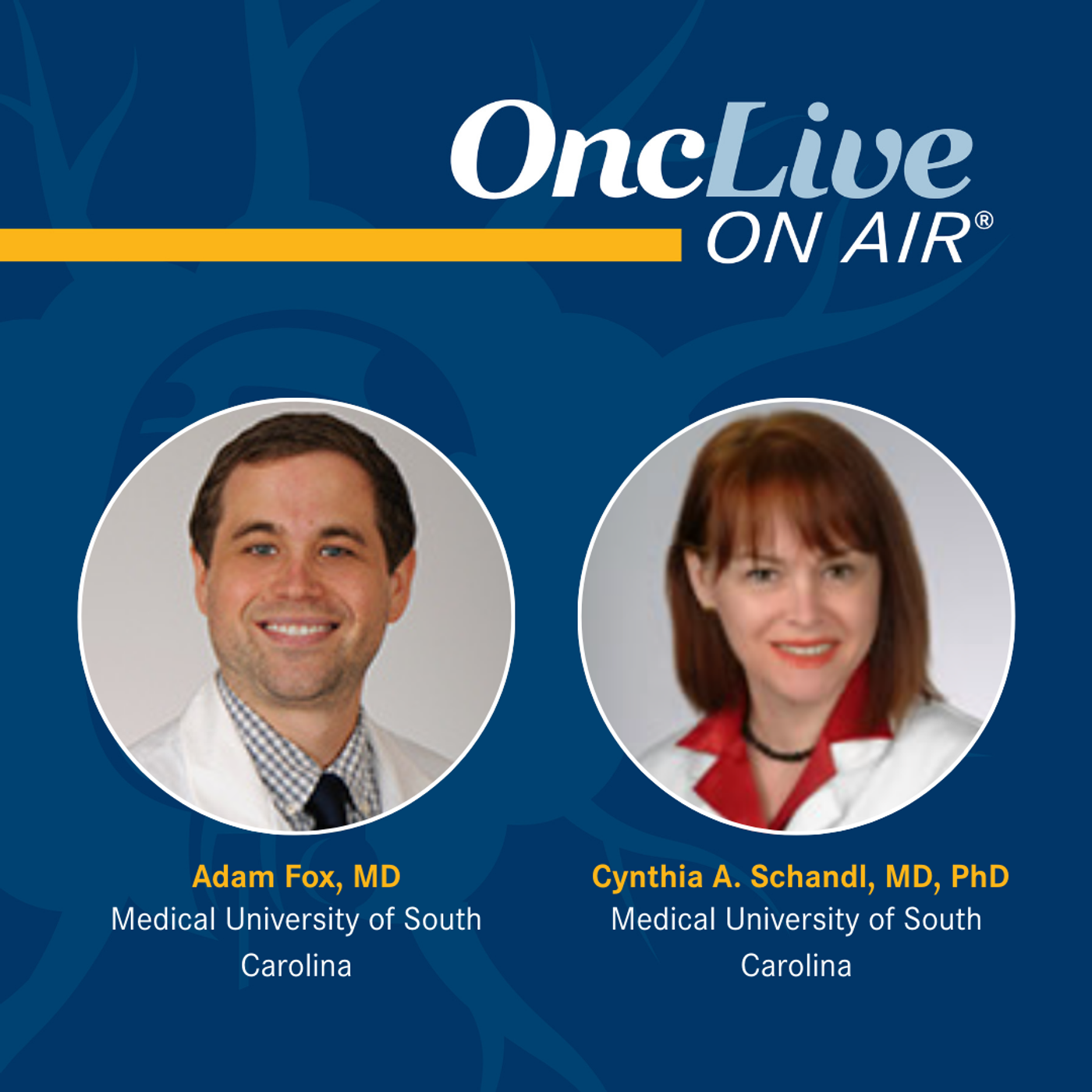
Dr. Deb Schrag suggests the main challenge for new molecular cancer screening technologies is not invention, but implementation. The critical task will be deploying these tools at a population scale and effectively managing the logistical challenge of distinguishing true positives from false alarms.
Over half of primary care physicians don't consider autoimmune causes for back pain, and many order incorrect tests when they do. This highlights that a breakthrough diagnostic test requires a major educational push at the primary care level to change ingrained diagnostic habits and reduce referral delays.

Oncologists are more comfortable using a positive ctDNA test to escalate care (e.g., recommend chemo for a low-risk Stage II patient). However, they are more hesitant to use a negative test to de-escalate or withhold standard chemo for higher-risk patients, pending more definitive trial data.
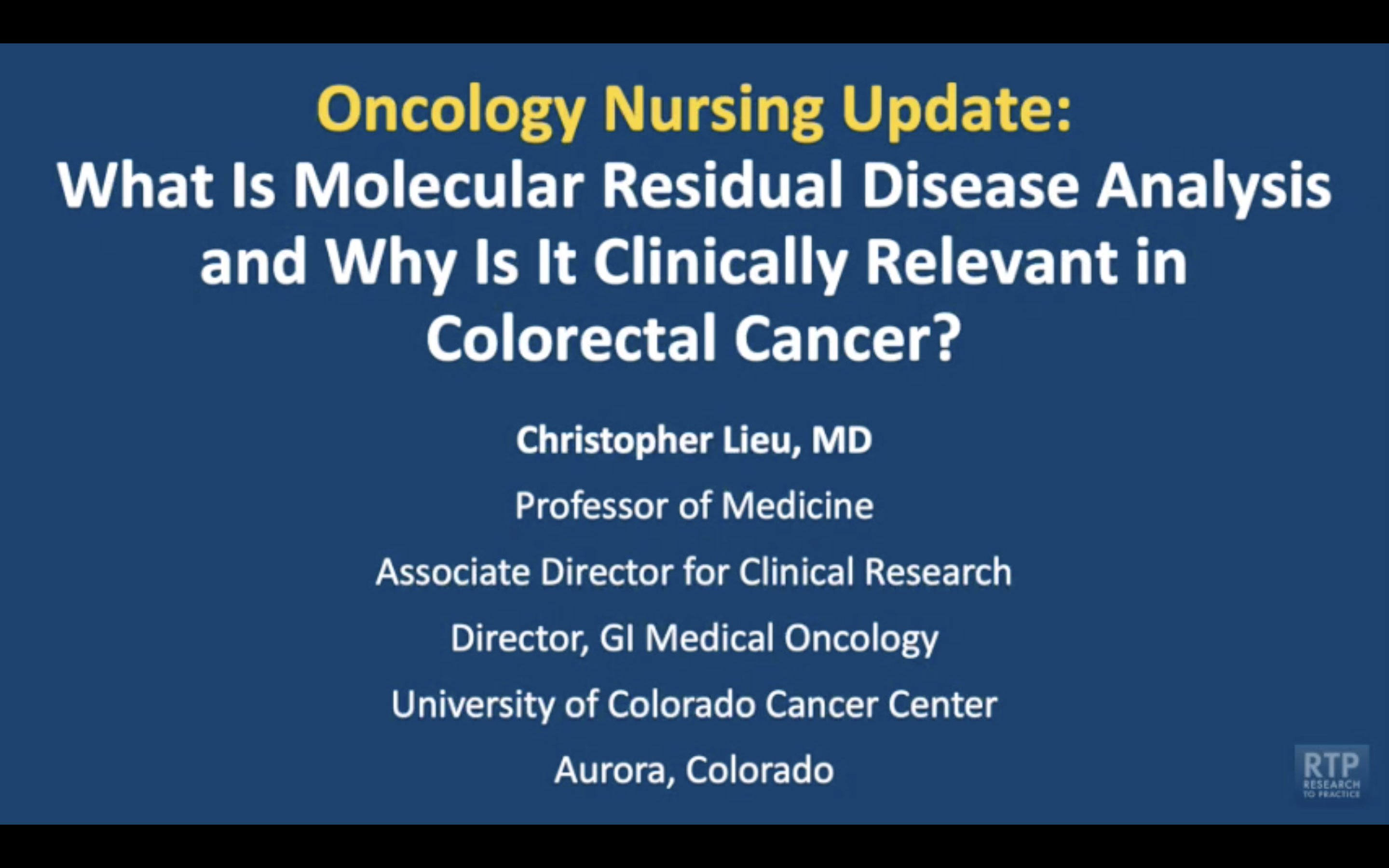
With colorectal cancer rates rising in young adults, the long-term toxicity of oxaliplatin-induced peripheral neuropathy is a graver concern. A 30-year-old patient could face debilitating side effects for 40-50 years, fundamentally altering the risk-benefit calculation for adjuvant therapy.
Individual early-detection tests like blood biopsies or MRIs are imperfect, leading to false positives and negatives. The next step in diagnostics is a "multimodal" approach, layering different screening types, such as genomic blood tests and imaging, to create a more accurate and comprehensive picture of a patient's health.
Chronic illnesses like cancer, heart disease, and Alzheimer's typically develop over two decades before symptoms appear. This long "runway" is a massive, underutilized opportunity to identify high-risk individuals and intervene, yet medicine typically focuses on treatment only after a disease is established.
Cancer screening is moving beyond broad demographic guidelines (e.g., age) to a model based on individual risk. This includes not only genetics and environmental exposures but also novel, passive data streams from smart devices like toilet sensors monitoring stool or even subtle changes in a person's typing patterns over time.