Get your free personalized podcast brief
We scan new podcasts and send you the top 5 insights daily.
Individual early-detection tests like blood biopsies or MRIs are imperfect, leading to false positives and negatives. The next step in diagnostics is a "multimodal" approach, layering different screening types, such as genomic blood tests and imaging, to create a more accurate and comprehensive picture of a patient's health.
Related Insights
True early cancer detection involves finding microscopic tumor DNA in blood samples. This can identify cancer years before it's visible on an MRI, creating an opportunity for a patient's own immune system to potentially eliminate it before it ever becomes a clinical disease.

Contrary to trends in wellness, a full-body MRI doesn't catch cancer early. A mass visible on an MRI already contains billions of cells and may have spread. Furthermore, it often leads to a rabbit hole of invasive tests for benign abnormalities, causing unnecessary harm.
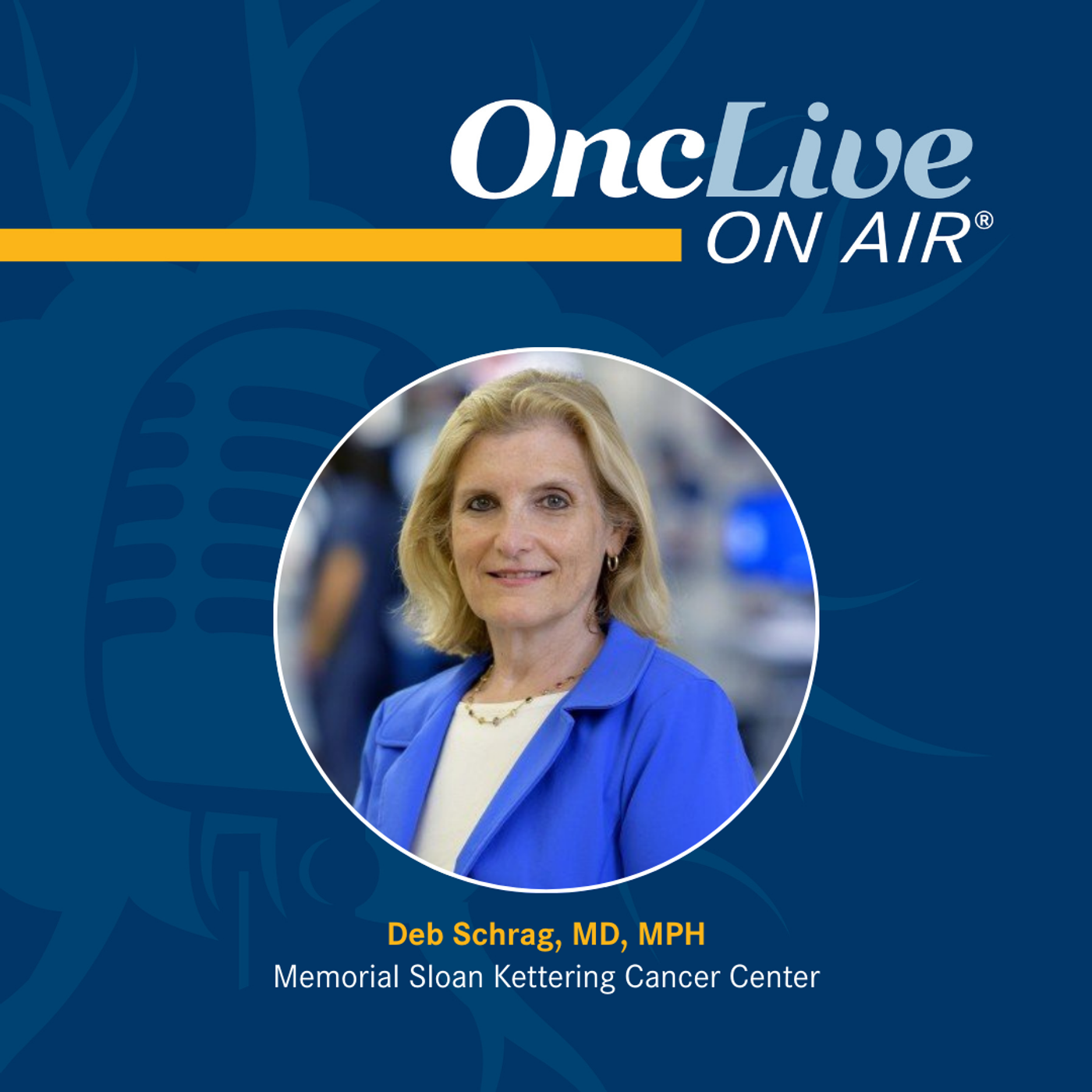
Dr. Deb Schrag suggests the main challenge for new molecular cancer screening technologies is not invention, but implementation. The critical task will be deploying these tools at a population scale and effectively managing the logistical challenge of distinguishing true positives from false alarms.
Radiopharmaceuticals can use the same molecular scaffold for diagnosing a tumor with one radionuclide and treating it with another. This "theranostic" strategy improves patient stratification and accelerates the transition from diagnosis to effective therapy.

Unlike imaging that requires specialized centers, blood tests can be administered anywhere with basic phlebotomy services. This eliminates geographic and logistical barriers, making advanced diagnostics accessible to rural and underserved populations and reframing access as a human right.

AI platforms can analyze existing medical images, like CT scans ordered for a cough, to find subtle, early signs of cancers. This repurposes vast amounts of routine diagnostic data into a powerful, passive screening tool, allowing for incidental discoveries of diseases like pancreatic cancer without new procedures.
AI identified circulating tumor DNA (ctDNA) testing as a highly sensitive method for detecting cancer recurrence earlier than scans or symptoms. Despite skepticism from oncologists who deemed it unproven, the speaker plans to use it for proactive monitoring—a strategy he would not have known about otherwise.

A Chinese hospital's AI program is achieving early success not just by detecting cancer, but by screening asymptomatic patients' routine CT scans taken for unrelated issues. This unlocks a powerful and safe method for widespread early screening of dangerous cancers like pancreatic, which was previously unfeasible.

The low-hanging fruit of finding a single predictive biomarker is gone. The next frontier for bioinformatics is developing complex, 'multimodal models' that integrate several data points to predict outcomes. The key challenge is creating sophisticated models that still yield practical, broadly applicable clinical insights.
Cancer screening is moving beyond broad demographic guidelines (e.g., age) to a model based on individual risk. This includes not only genetics and environmental exposures but also novel, passive data streams from smart devices like toilet sensors monitoring stool or even subtle changes in a person's typing patterns over time.