Get your free personalized podcast brief
We scan new podcasts and send you the top 5 insights daily.
The entire system of prenatal and postpartum care is fundamentally designed as a triage mechanism. Since roughly 75% of pregnancies are uncomplicated, its primary purpose is not to medicalize a natural process, but to efficiently identify and manage the 25% of cases that will face complications.
Related Insights
Up to 40% of natural conceptions are spontaneously aborted, often before a woman knows she's pregnant. This is typically the body's way of rejecting embryos with severe genetic abnormalities. This natural process provides a powerful biological precedent for the practice of pre-implantation genetic screening.

The idea of preventing disease by managing measurable risks like cholesterol was a paradigm shift in medicine, born from observing 5,000 residents of Framingham, MA over decades, an unprecedented study that began in 1948.
BabyScripts' CEO argues that modern maternal care should mirror the "it takes a village" adage. By virtually connecting patients to a diverse team—nutritionists, mental health advocates, and care navigators—platforms can provide holistic support beyond the core obstetrician, improving both outcomes and efficiency.
Medicine excels at following standardized algorithms for acute issues like heart attacks but struggles with complex, multifactorial illnesses that lack a clear diagnostic path. This systemic design, not just individual doctors, is why complex patients often feel lost.
Polygenic embryo screening, while controversial, presents a clear economic value proposition. A $3,500 test from Genomic Prediction that lowers Type 2 Diabetes risk by 12% implies that avoiding the disease is worth over $27,000. This reframes the service from 'designer babies' to a rational financial decision for parents.

The technology for detecting cancer via cell-free DNA was discovered by accident. During non-invasive prenatal tests, some abnormal results weren't from the baby but from the mother's previously undiagnosed tumors shedding DNA, revealing an entirely new application for the technology.

Chronic illnesses like cancer, heart disease, and Alzheimer's typically develop over two decades before symptoms appear. This long "runway" is a massive, underutilized opportunity to identify high-risk individuals and intervene, yet medicine typically focuses on treatment only after a disease is established.

The current healthcare model is backwards. It's more cost-effective to proactively get comprehensive diagnostics like blood work done twice a year than to rely on multiple, expensive doctor visits after symptoms appear. This preventative approach catches diseases earlier and reduces overall system costs.
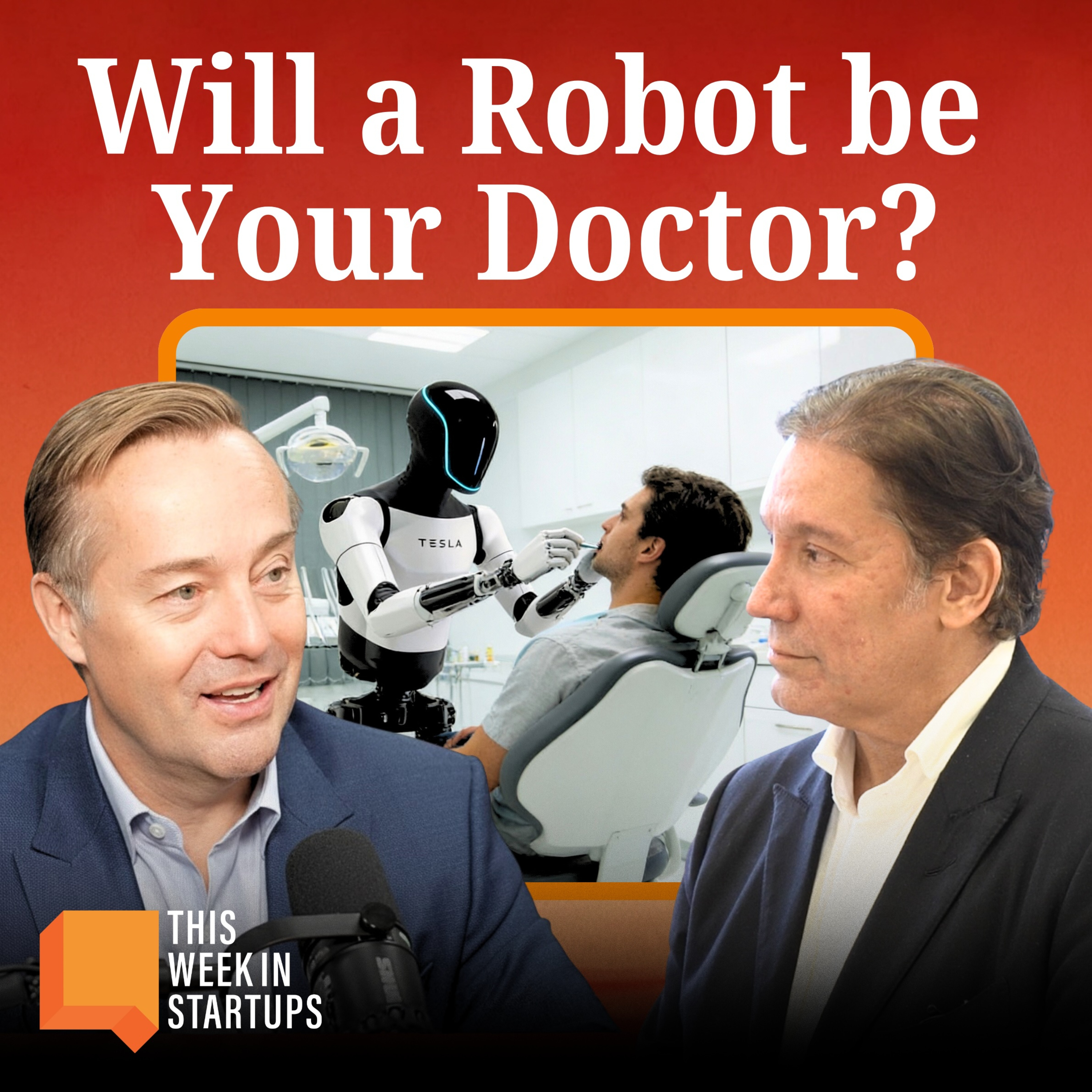
While providing information is key, patient-centric care means recognizing that not every patient wants all the details of their disease. The ultimate empowerment is giving patients the agency to choose their level of involvement, including the option to trust their medical team without deep engagement.
Dr. Smith criticizes the common practice of reaching for over-the-counter drugs, then prescriptions, then surgery. He advocates for reversing this order, starting with the least invasive methods like nutrition and chiropractic care before escalating to potentially harmful drugs and procedures.
