Get your free personalized podcast brief
We scan new podcasts and send you the top 5 insights daily.
Despite the liquidity of public markets, fund manager Greg Padilla treats his portfolio with a venture capital mindset. He avoids actively trading positions, letting winners grow and losers shrink as a percentage of assets, preventing unnecessary interference with long-term compounding.
Related Insights
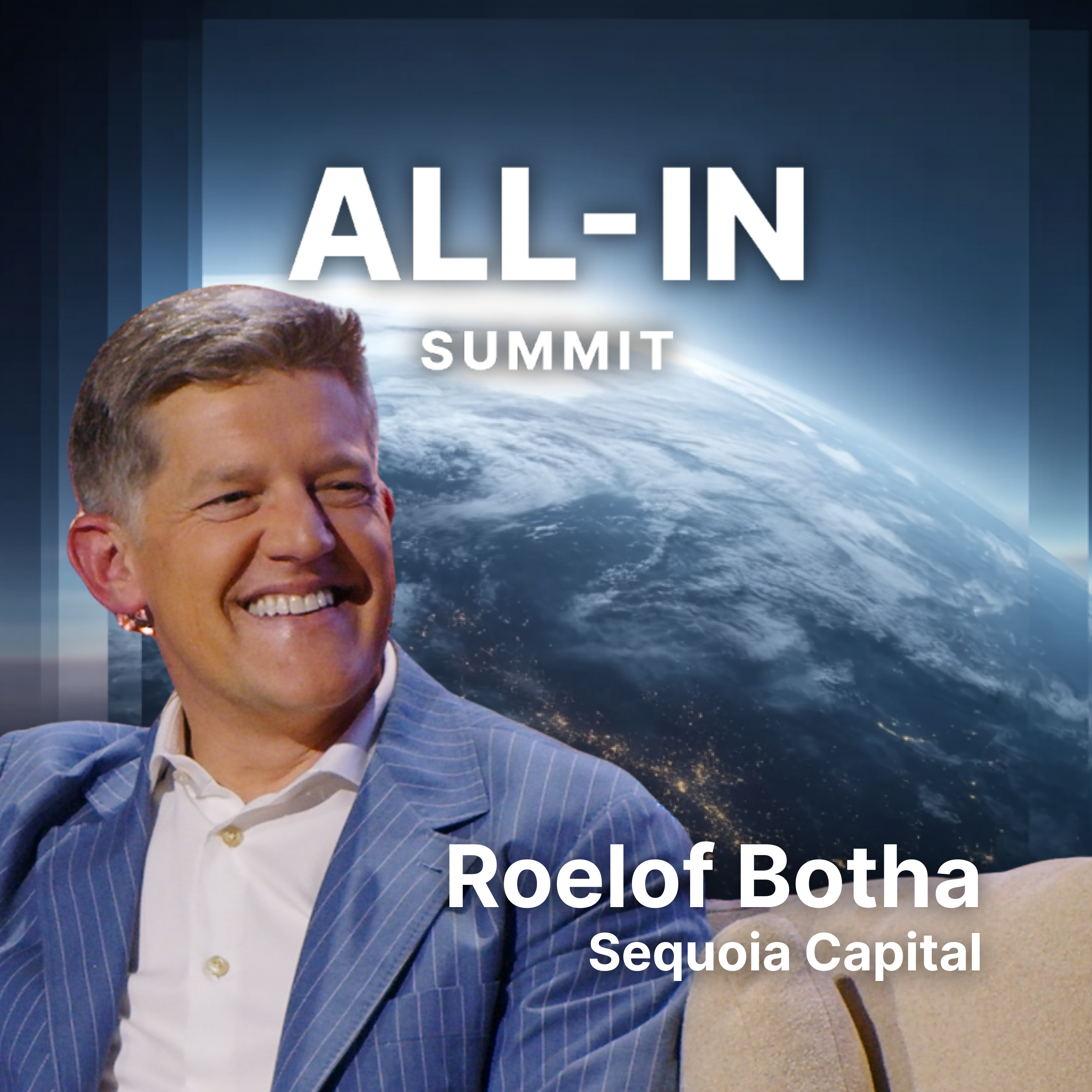
Recognizing that top companies compound long after going public, Sequoia created the "Sequoia Capital Fund." Instead of distributing shares to LPs who often sell immediately, this vehicle holds positions in their best public companies. This strategy has generated an additional $6.7 billion in gains simply through patience.
Limited Partners should resist pressuring VCs for early exits to lock in DPI. The best companies compound value at incredible rates, making it optimal to hold winners. Instead, LPs should manage portfolio duration and liquidity by building a balanced portfolio of early-stage, growth, and secondary fund investments.

Because VCs can't easily sell, they're forced to focus on a company's fundamental value growth over 5-10 years, ignoring short-term price swings. Public market investors can adopt this mindset to gain an edge over the market's obsession with quarterly performance.
Contrary to the industry's bias for action, Howard Marks advocates for strategic inaction, flipping the common saying to 'don't just do something, sit there.' True long-term success comes from owning good assets and letting ideas work, not from constant trading and reacting to short-term market noise.

Instead of reacting to stock prices, track the combined "owner's earnings" growth of your portfolio companies. This creates a private-equity mindset, focusing on underlying business performance. Over decades, this metric shows strong correlation with portfolio returns and helps maintain long-term discipline.

Compounding is a fragile process. Every portfolio adjustment, like trimming or panic selling, is like opening a door and letting heat escape. Treating your portfolio as a contained machine that works best when untouched reframes "doing nothing" as a strategic, structural advantage.

Emerging VCs often feel pressured by their LPs to deploy capital quickly. However, this leads to rushed, unwise decisions. The superior strategy is to act like a sniper: wait patiently for a high-conviction opportunity and be ready to act decisively, rather than investing broadly just to show activity.

The venture capital business requires consistent investment, not sprinting and pausing based on market conditions. A common mistake is for VCs to stop investing during downturns. For companies with 50-100x growth potential, overpaying slightly on entry price is irrelevant, as the key is capturing the outlier returns, not timing the market.

To combat the urge for constant activity, which often harms returns, investor Stig Brodersen intentionally reviews his portfolio's performance only once a year. This forces a long-term perspective and prevents emotional, short-sighted trading based on market fluctuations.
Investors fixate on selecting the right companies, but the real money is made or lost in the decision of when to sell or hold a winning position. The timing of an exit can create a 100x difference in outcomes. Having a disciplined approach to portfolio management and liquidity is more critical to fund performance than the initial investment choice.