Get your free personalized podcast brief
We scan new podcasts and send you the top 5 insights daily.
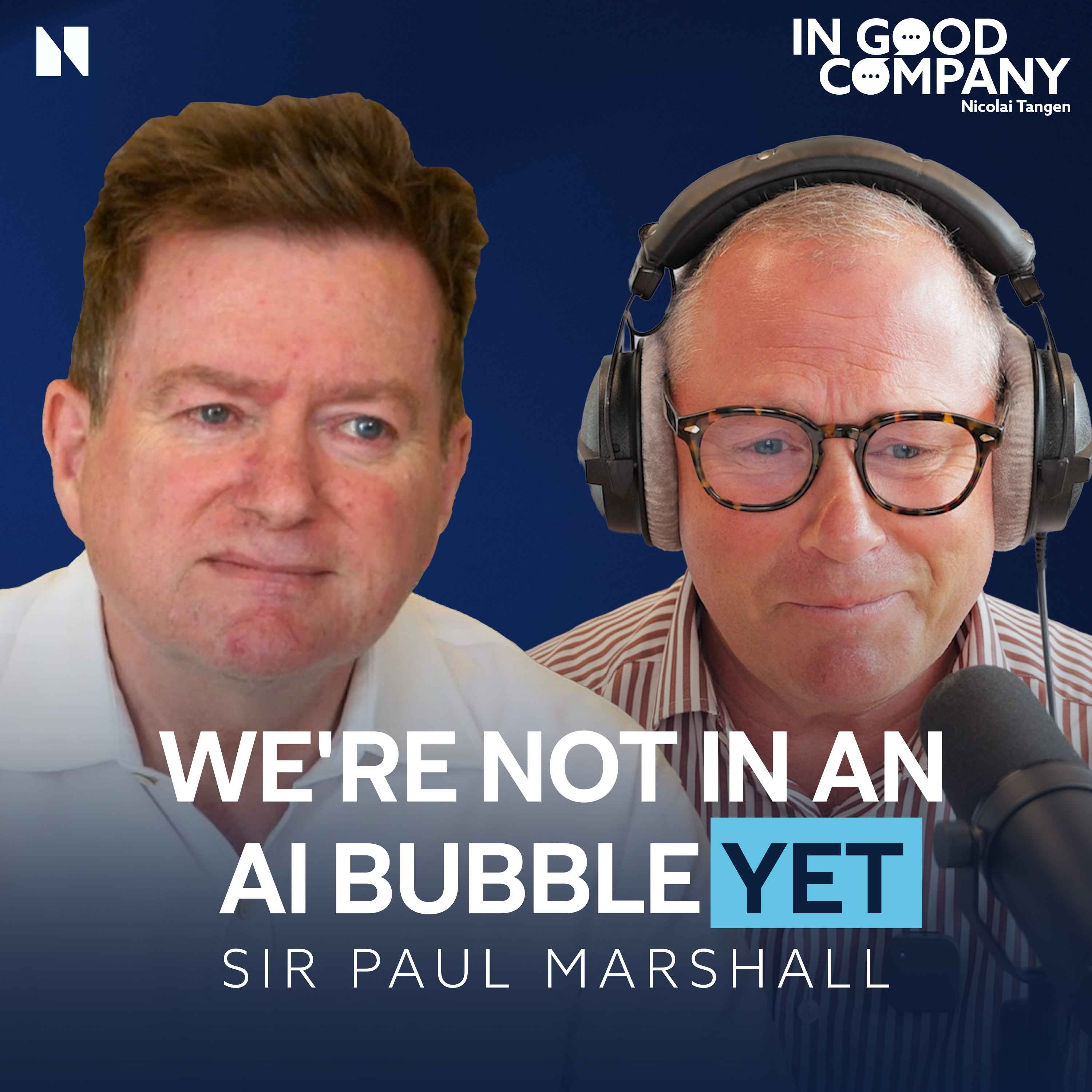
Paul Marshall argues that university credentials often fail to identify "high agency"—the critical trait of being self-driven. To find these individuals, he looks for deep commitment and achievement in hobbies or entrepreneurial side projects, as these demonstrate genuine curiosity and initiative outside a structured curriculum.
Related Insights
Teachers and schools often overlook key indicators of future success. To identify a potential high-achiever, look beyond grades and focus on what they do with their free time—their obsessions, self-taught skills, and unorthodox projects pursued on evenings and weekends.

At HubSpot, Elias Torres built an exceptional team, hiring future founders of companies like Klaviyo. His strategy was to ignore credentials and instead screen for hunger, grit, and intelligence through conversation. He believes giving people with non-traditional backgrounds a shot is key to finding outliers.

To truly assess a candidate's agency, look for a continuous pattern of initiative and follow-through throughout their entire life, not just a single impressive example. Whether in school, personal projects, or previous jobs, consistent agency is a stronger signal than one standout achievement.

In a world where AI handles routine tasks, the most valuable human contribution is the initiative to solve problems independently. ElevenLabs prioritizes hiring for "agency," seeing it as the ultimate amplifier for an individual's impact, regardless of their seniority. High-agency people are the winners of the AI era.
When building a team for a novel venture, prioritize curious qualities over pure credentials. Look for collaborators who are passionate, resilient, and 'iconoclastic'—comfortable challenging the status quo. Also seek out people with diverse outside interests, as they can draw unique connections and avoid narrow thinking.

Lovable prioritizes hiring individuals with extreme passion, high agency, and autonomy—people for whom the work is a core part of their identity. This focus on intrinsic motivation, verified through paid work trials, allows them to build a team that can thrive in chaos and drive initiatives from start to finish without supervision.

Zipline bypasses traditional hiring metrics for young talent, finding that prodigy-level teenagers with impressive personal projects (like building a submarine) are often their most effective and driven employees. Demonstrated passion for building is more predictive of success than formal education.

A top mechanical engineering graduate from a prestigious university who has never built a single project outside of class requirements demonstrates a lack of intrinsic motivation. This is a major red flag for hiring managers at ambitious hardware companies looking for true builders.
When hiring for Zenly and Amo, the team prioritized a candidate's side projects over their experience at Meta or Apple. Side projects are the strongest signal of curiosity, ambition, and an entrepreneurial mindset—acting as a "Trojan horse" for getting noticed by top companies.

Lovable evaluates side projects with the same weight as professional work. A fanatical, well-crafted side project can demonstrate a candidate's ceiling for hard skills and intrinsic motivation more effectively than their day job, making them a top candidate regardless of their formal work history.