Get your free personalized podcast brief
We scan new podcasts and send you the top 5 insights daily.
The ultimate measure of a design system's success is not compliance but voluntary adoption. When the system's tools and templates are so effective that they make teams' work easier and better, people will choose to use them and become advocates, rendering the 'brand police' obsolete.

Related Insights
Design success isn't just about creating a functional and appealing product. The ultimate measure, often forgotten, is market adoption and usage. A designer's responsibility extends to ensuring the product sells and is used by customers, making it a business-critical function.

Instead of formally launching a design system project, early-stage companies should foster a culture where quality is everyone's job. This environment naturally leads to systematic, reusable components, avoiding the political and budgetary hurdles of a dedicated 'design system' initiative.

"Adoption" can be a superficial metric of initial use. The term "absorption" forces a higher standard, implying a feature has become an indispensable, natural part of a user's regular workflow. This reframing focuses teams on creating lasting behavioral change, not just clicks.

A key driver for AI prototyping adoption at Atlassian was design leadership actively using the new tools to build and share their own prototypes in reviews. Seeing leaders, including skip-level managers, demonstrate the tools' value created powerful top-down social proof that encouraged individual contributors to engage.
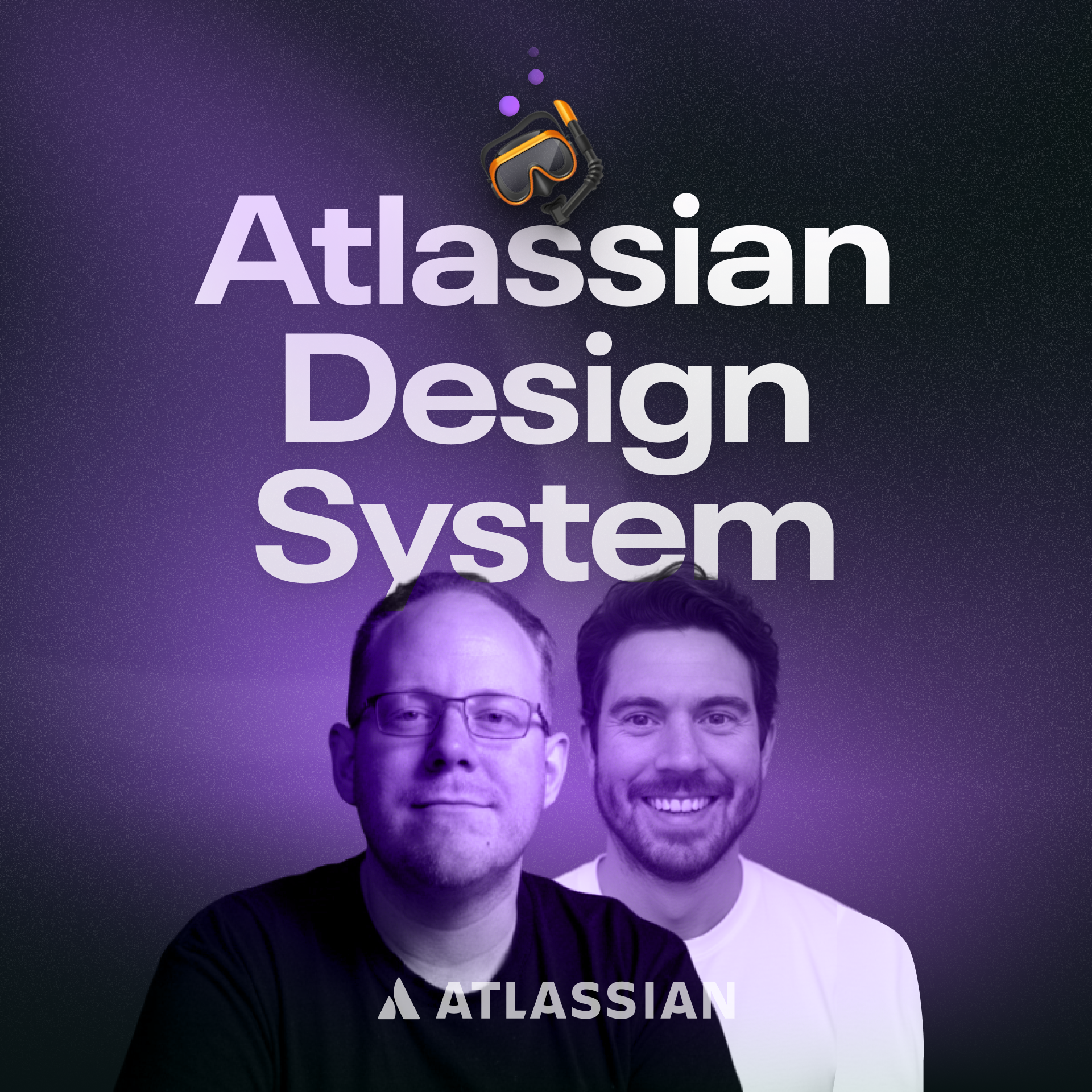
Instead of iterating on prompts for single assets, focus on building reusable systems. This approach ensures brand consistency, saves time, and empowers non-designers to create on-brand assets efficiently by turning complex workflows into simple interfaces.

Instead of policing brand usage with static PDFs, modern platforms embed brand systems (templates, fonts, colors) into creative workflows. This provides teams with 'guardrails, not handcuffs,' democratizing on-brand content creation and removing friction without sacrificing consistency.
While brand consistency is a benefit, the primary business impact of a well-built design system is operational efficiency. It drastically accelerates speed to market for new features and slashes onboarding time for new hires because the system's intelligence is effectively self-documenting.
Technical tools are secondary to building a successful design system. The primary barrier is a lack of shared vision. Success requires designers to think about engineering constraints and engineers to understand UX intent, creating an empathetic, symbiotic relationship that underpins the entire system.
Many design systems are built as simple digital extensions of brand guidelines, where digital rules are an afterthought. This flawed foundation prevents scalability, focusing only on superficial elements like fonts and colors without planning for future growth and complexity.
When implementing a new productivity system, success depends more on team comfort than on the tool's advanced features. Forcing a complex platform can lead to frustration. It's better to compromise on a simpler, universally accepted tool than to create friction and alienate team members.
