Get your free personalized podcast brief
We scan new podcasts and send you the top 5 insights daily.
The famed $11 billion figure wasn't a single take-it-or-leave-it deal. Craig Newmark clarifies it was a retrospective analysis of what various aggregated VC and banker offers amounted to. This nuance reframes a popular startup legend from a specific event into a principled stance against a general direction.

Related Insights
While first-time founders often optimize for the highest valuation, experienced entrepreneurs know this is a trap. They deliberately raise at a reasonable price, even if a higher one is available. This preserves strategic flexibility, makes future fundraising less perilous, and keeps options open—which is more valuable than a vanity valuation.
Instead of maximizing revenue, Craigslist's initial monetization was minimal and strategic. They charged only for ads that users, like NYC apartment brokers, were already paying for on less effective platforms. This provided a clear value-add without burdening the core free community, aligning revenue with user success.
A VC recounts advising founders to accept a massive acquisition offer during a market bubble, but they refused. Prioritizing his 'people-first' philosophy, he supported their decision to continue building. This choice ultimately cost the company, investors, and employees a potential $25-30 billion outcome when the market later corrected, highlighting a major conflict between financial optimization and founder support.

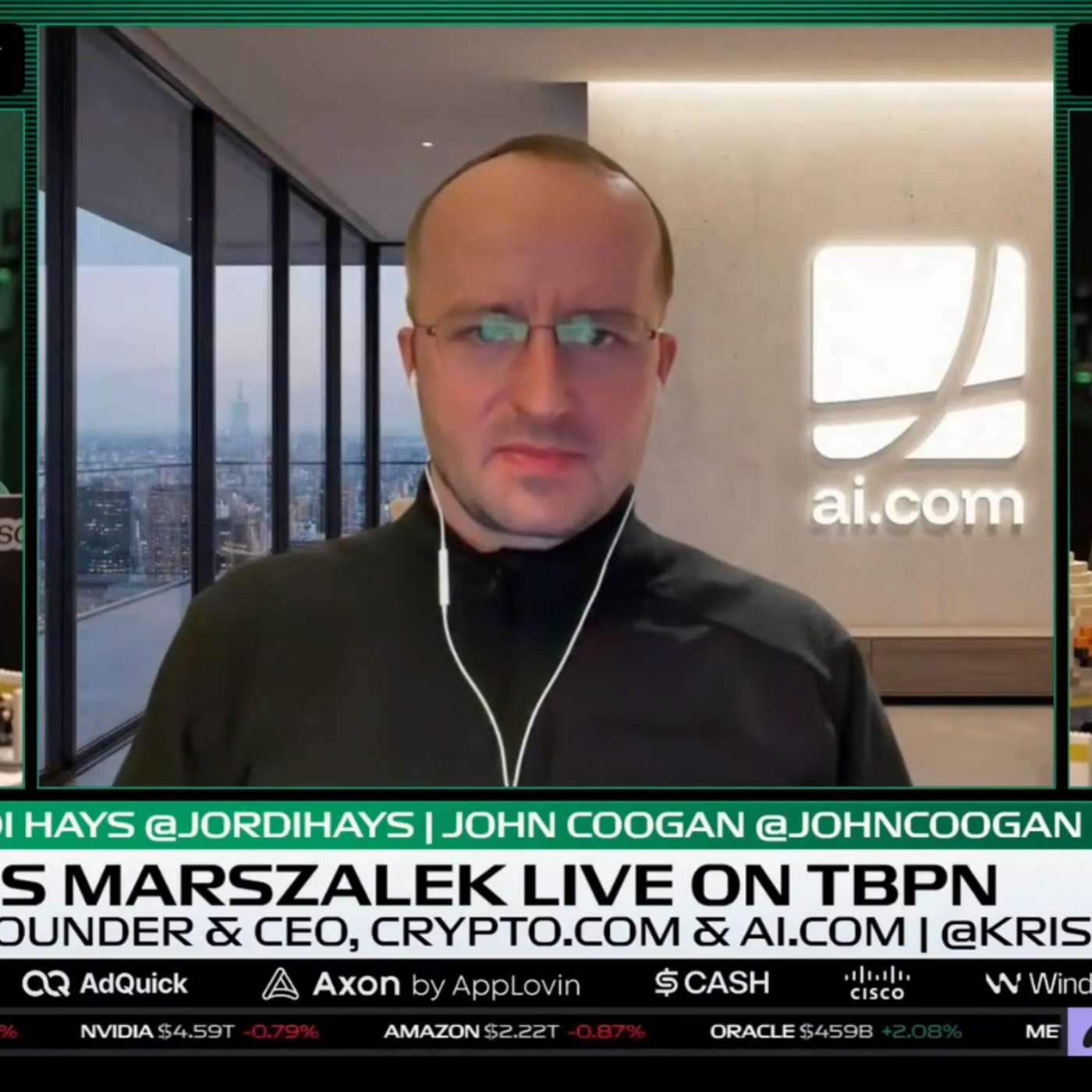
Kris Marszalek, who bought AI.com for a reported $70M, was approached with an offer "starting at $500 million" almost immediately after the deal closed. He turned it down, demonstrating extreme long-term conviction to build a category-defining brand rather than take a massive, quick profit.

Immediately after acquiring AI.com for $70M, the founder received and rejected an offer exceeding $500M. This demonstrates extreme long-term conviction, prioritizing the potential of building a platform over a massive, quick profit.
Valuations don't jump dramatically; they 'sneak up on you.' An investor might balk at a $45M cap when they expected $40M. But the fear of missing a potential unicorn is stronger than the desire for a slightly better price, causing a gradual, batch-over-batch inflation of valuation norms.

Initial lowball acquisition offers can feel defeating, forcing a founder to abandon the exit dream. This forces a necessary shift to building a sustainable, long-term business. This new focus, ironically, is what makes the company far more attractive to acquirers in the future.

During an acqui-hire negotiation with Coinbase, the founders turned down a life-changing offer because it required leaving half their team behind. This ethical stand prioritized their long-serving employees over a massive personal financial windfall.
The common advice to wait for an inbound acquisition offer is often pushed by VCs whose incentives are to chase massive, fund-returning exits. This advice misaligns with founders, who may benefit from a proactive selling process that secures a life-changing, albeit smaller, outcome.

When Craig Newmark faced turning down a multi-billion dollar valuation, his immediate reaction wasn't about the potential for greater philanthropy. His core values kicked in first, labeling the sheer scale of personal wealth as nonsensical and burdensome, a feeling that overrode any calculus about giving it away.