Get your free personalized podcast brief
We scan new podcasts and send you the top 5 insights daily.
There is an alarming and unexplained rise in early-onset colorectal cancer, making it the top cause of cancer death for individuals under 50. These younger patients often present with more advanced, aggressive disease and have poorer outcomes despite receiving aggressive treatments.

Related Insights
The sharp rise in cancers like colorectal cancer among adults under 50 necessitates a shift in frontline diagnostics. Symptoms such as abdominal pain in a younger person, historically not a top cancer concern, must now prompt more serious consideration. Educating primary care and ER doctors to lower their diagnostic threshold for malignancy is critical.
Clinicians are observing an alarming increase in pancreatic cancer diagnoses in younger individuals, often under 40 and sometimes even under 30. This shift mirrors trends in other GI cancers and points to unknown environmental or lifestyle factors.

A critical gap exists in cancer care where cardiovascular risk factors are often ignored. As cancer treatments improve survival, patients are increasingly dying from preventable heart attacks and strokes, necessitating the specialized field of cardio-oncology.

When examining chronic health conditions, older childhood cancer survivors show a striking pattern of accelerated aging. They present with the same rates of multiple co-existing chronic conditions as their siblings who are two decades older. This quantifies the profound and lasting physiological impact of their early-life cancer treatments, leading to premature frailty.

Genomic profiling reveals PIK3CA is the most frequent mutation in anal cancer, occurring in about one-third of cases. However, unlike in other cancers, there are no effective targeted therapies for this mutation in anal cancer, creating a therapeutic dead-end and a major opportunity for drug development.
With colorectal cancer rates rising in young adults, the long-term toxicity of oxaliplatin-induced peripheral neuropathy is a graver concern. A 30-year-old patient could face debilitating side effects for 40-50 years, fundamentally altering the risk-benefit calculation for adjuvant therapy.
Unlike many cancers, younger patients (in their 20s-30s) with low-grade serous ovarian cancer have a worse prognosis than older patients. This is because they are less likely to carry a KRAS mutation, making them less responsive to highly effective targeted therapies.
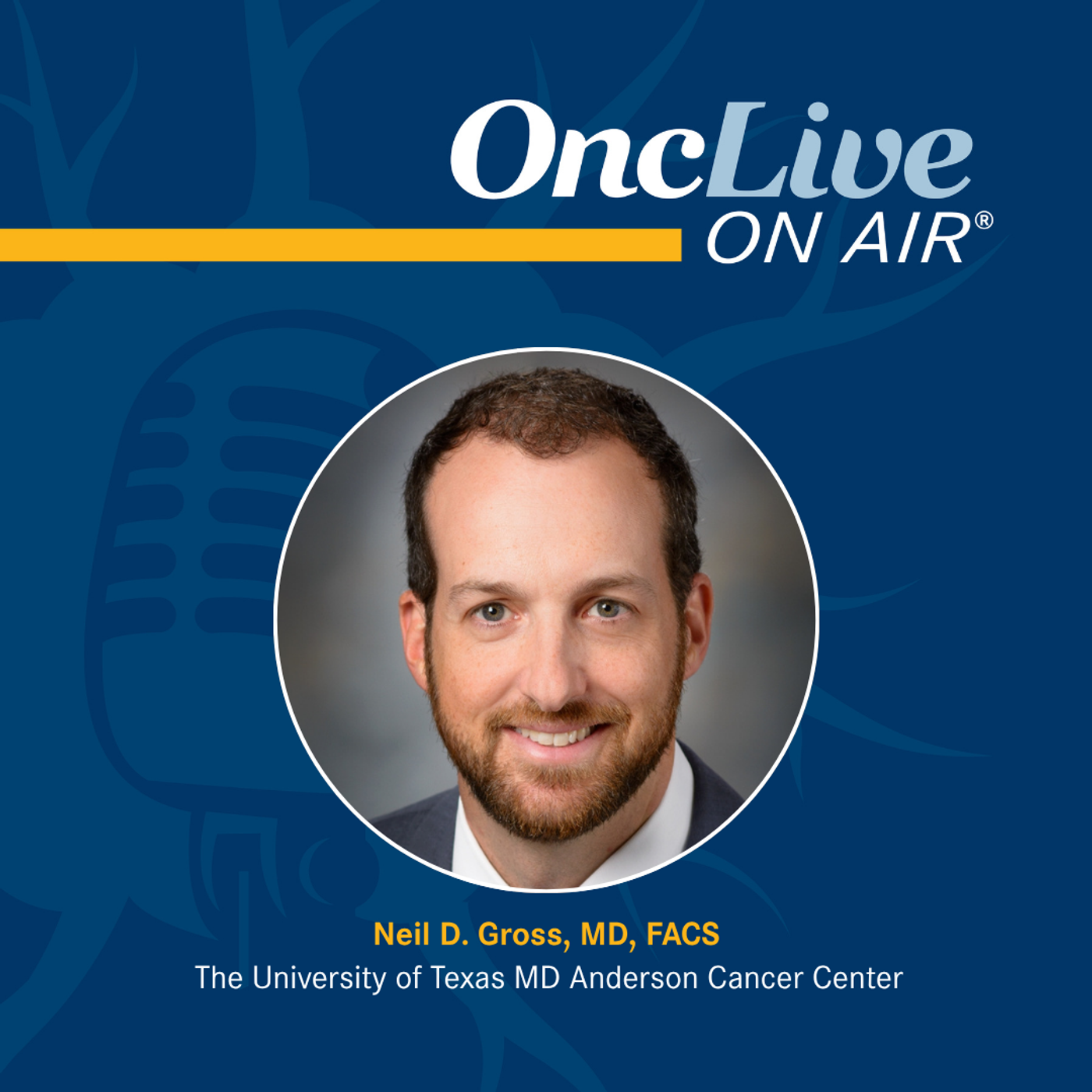
The immunosuppressed population with CSCC faces a significantly higher risk of recurrence, metastasis, and death. Dr. Gross highlights this group as being particularly challenging and underserved by current research, indicating a critical need for more dedicated clinical data and tailored treatment strategies.
The episode highlights the shocking scale of lung cancer's impact, stating it causes more deaths each year than several other major cancers combined. This stark comparison underscores the critical need for better and more accessible screening technologies, as current methods like CT scans are highly underutilized.
Vaping introduces a high concentration of volatile compounds into lung tissue, many approved for ingestion but not inhalation. This accelerated damage leads scientists to anticipate a wave of much earlier lung cancer diagnoses, potentially in patients as young as 30-35, a significant shift from traditional smoking timelines.
