Get your free personalized podcast brief
We scan new podcasts and send you the top 5 insights daily.
While many new AI tools excel at generating prototypes, a significant gap remains to make them production-ready. The key business opportunity and competitive moat lie in closing this gap—turning a generated concept into a full-stack, on-brand, deployable application. This is the 'last mile' problem.

Related Insights
Despite the hype, LinkedIn found that third-party AI tools for coding and design don't work out-of-the-box on their complex, legacy stack. Success requires deep customization, re-architecting internal platforms for AI reasoning, and working in "alpha mode" with vendors to adapt their tools.

Simply offering the latest model is no longer a competitive advantage. True value is created in the system built around the model—the system prompts, tools, and overall scaffolding. This 'harness' is what optimizes a model's performance for specific tasks and delivers a superior user experience.

As foundational AI models become more accessible, the key to winning the market is shifting from having the most advanced model to creating the best user experience. This "age of productization" means skilled product managers who can effectively package AI capabilities are becoming as crucial as the researchers themselves.

There is a massive gap between what AI models *can* do and how they are *currently* used. This 'capability overhang' exists because unlocking their full potential requires unglamorous 'ugly plumbing' and 'grunty product building.' The real opportunity for founders is in this grind, not just in model innovation.
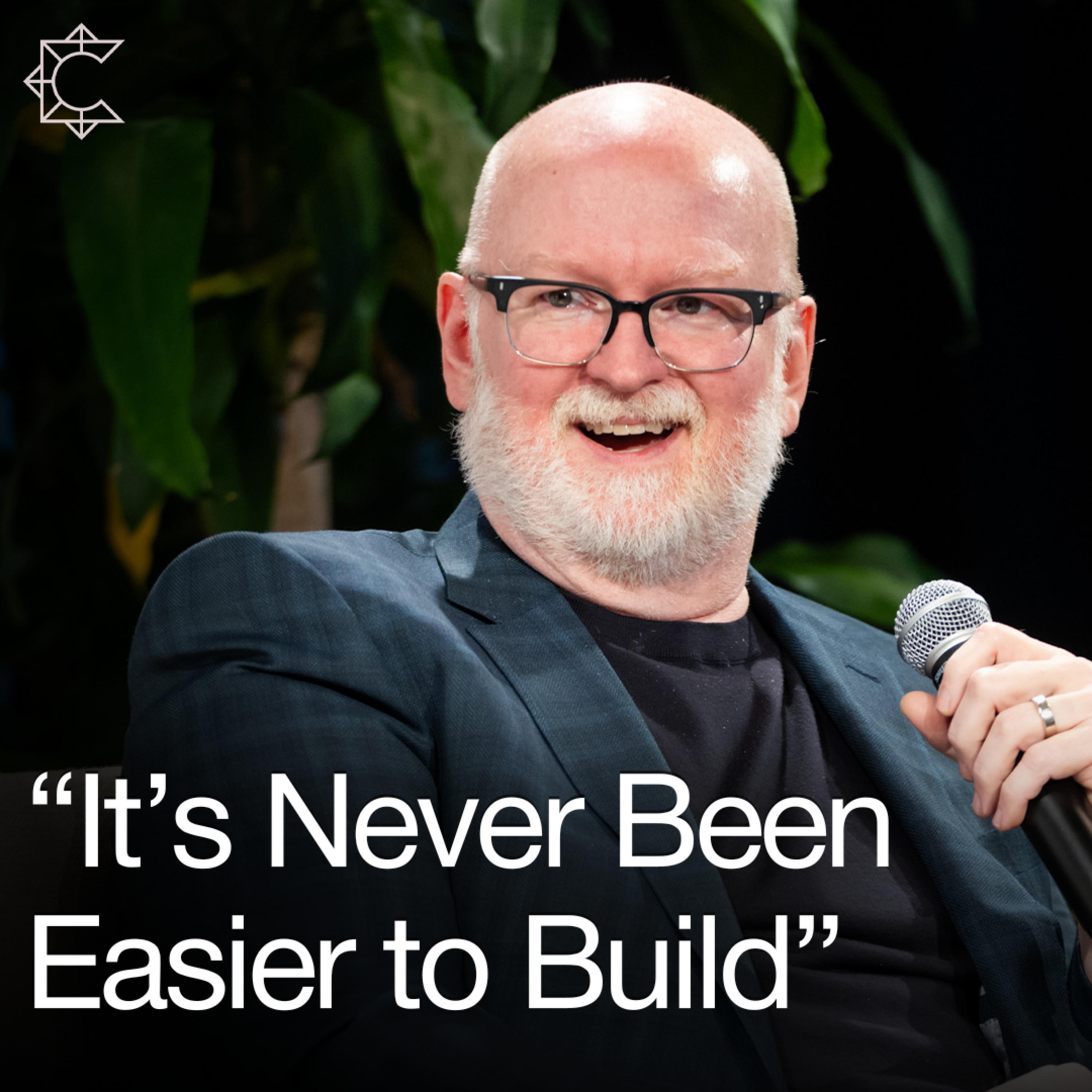
Enterprises struggle to get value from AI due to a lack of iterative, data-science expertise. The winning model for AI companies isn't just selling APIs, but embedding "forward deployment" teams of engineers and scientists to co-create solutions, closing the gap between prototype and production value.

Anyone can build a simple "hackathon version" of an AI agent. The real, defensible moat comes from the painstaking engineering work to make the agent reliable enough for mission-critical enterprise use cases. This "schlep" of nailing the edge cases is a barrier that many, including big labs, are unmotivated to cross.
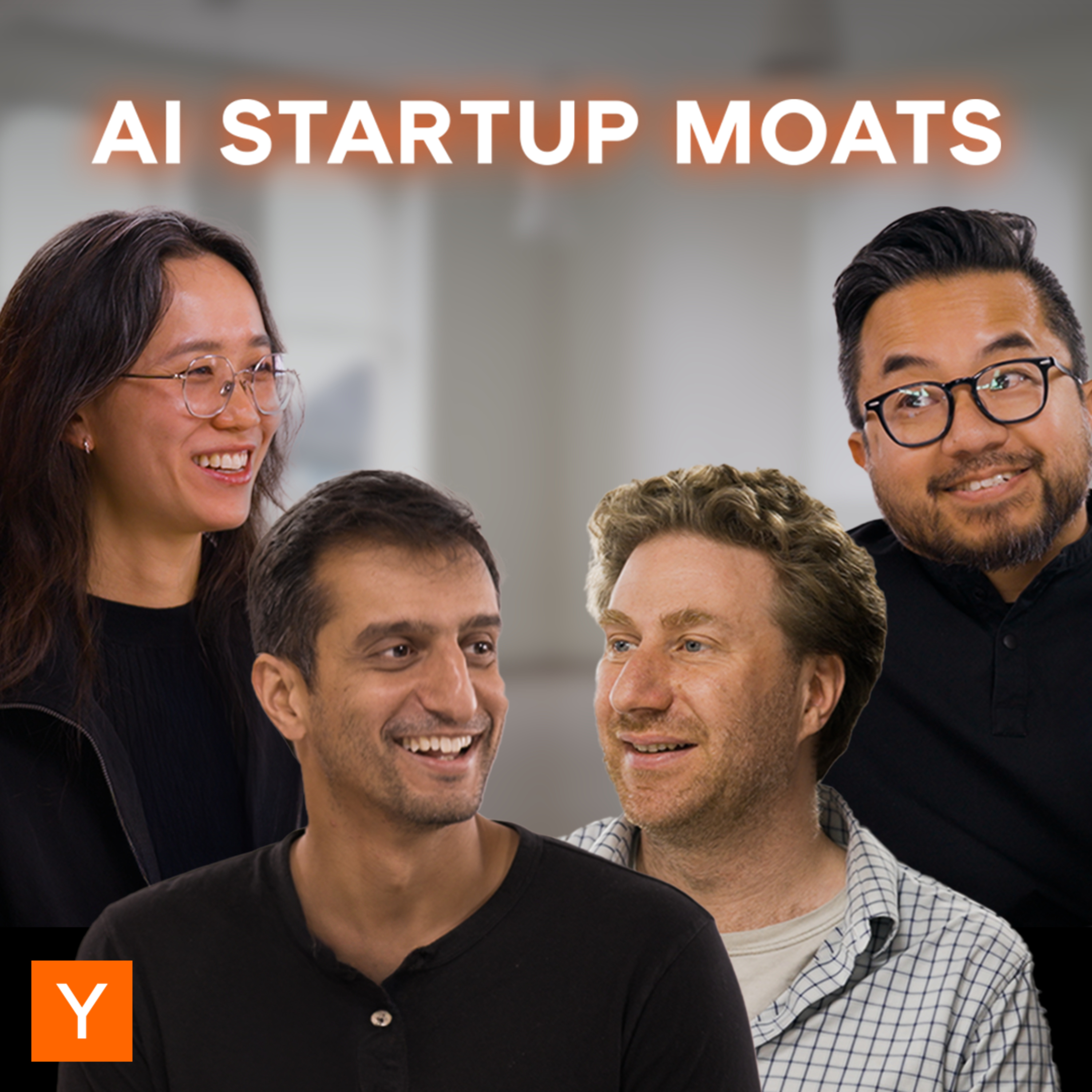
Creating a basic AI coding tool is easy. The defensible moat comes from building a vertically integrated platform with its own backend infrastructure like databases, user management, and integrations. This is extremely difficult for competitors to replicate, especially if they rely on third-party services like Superbase.

Even powerful AI tools don't produce a final, polished product. This "last mile" problem creates an opportunity for humans who master AI tools and then refine, integrate, and complete the work. These "finisher" roles are indispensable as there is no single AI solution to rule them all.

As foundational AI models become commoditized, the key differentiator is shifting from marginal improvements in model capability to superior user experience and productization. Companies that focus on polish, ease of use, and thoughtful integration will win, making product managers the new heroes of the AI race.

Contrary to the belief that distribution is the new moat, the crucial differentiator in AI is talent. Building a truly exceptional AI product is incredibly nuanced and complex, requiring a rare skill set. The scarcity of people who can build off models in an intelligent, tasteful way is the real technological moat, not just access to data or customers.