Get your free personalized podcast brief
We scan new podcasts and send you the top 5 insights daily.
Criteo successfully retains its 50-person AI lab team by fostering a culture similar to academia. Researchers are encouraged to publish their work, make it reproducible, and maintain a public presence. This commitment to open science and challenging problems is a key differentiator in attracting and keeping top talent.

Related Insights
CFM maintains a strong academic presence not just for research, but as a core talent acquisition strategy. By having its leaders publish papers and hold professorships, the firm attracts top-tier PhD talent who are already familiar with their work and view CFM as a destination for serious, cutting-edge research.

Beyond a certain salary, top engineers are driven by creative purpose, not just compensation. Excel Data retains talent by encouraging engineer-led initiatives, such as building their own open-source data platform (ODP) or AI vulnerability-fixing agents, which fosters a culture of meaningful innovation.

Recursion's CEO Najat Khan argues that the key to success in tech-bio is not just hiring scientists and engineers, but cultivating a 'bilingual' culture. This requires scientists who understand AI's limitations and AI experts who appreciate the humility needed for science. This integrated talent and culture is a core competitive advantage that is difficult for larger, more siloed organizations to replicate.
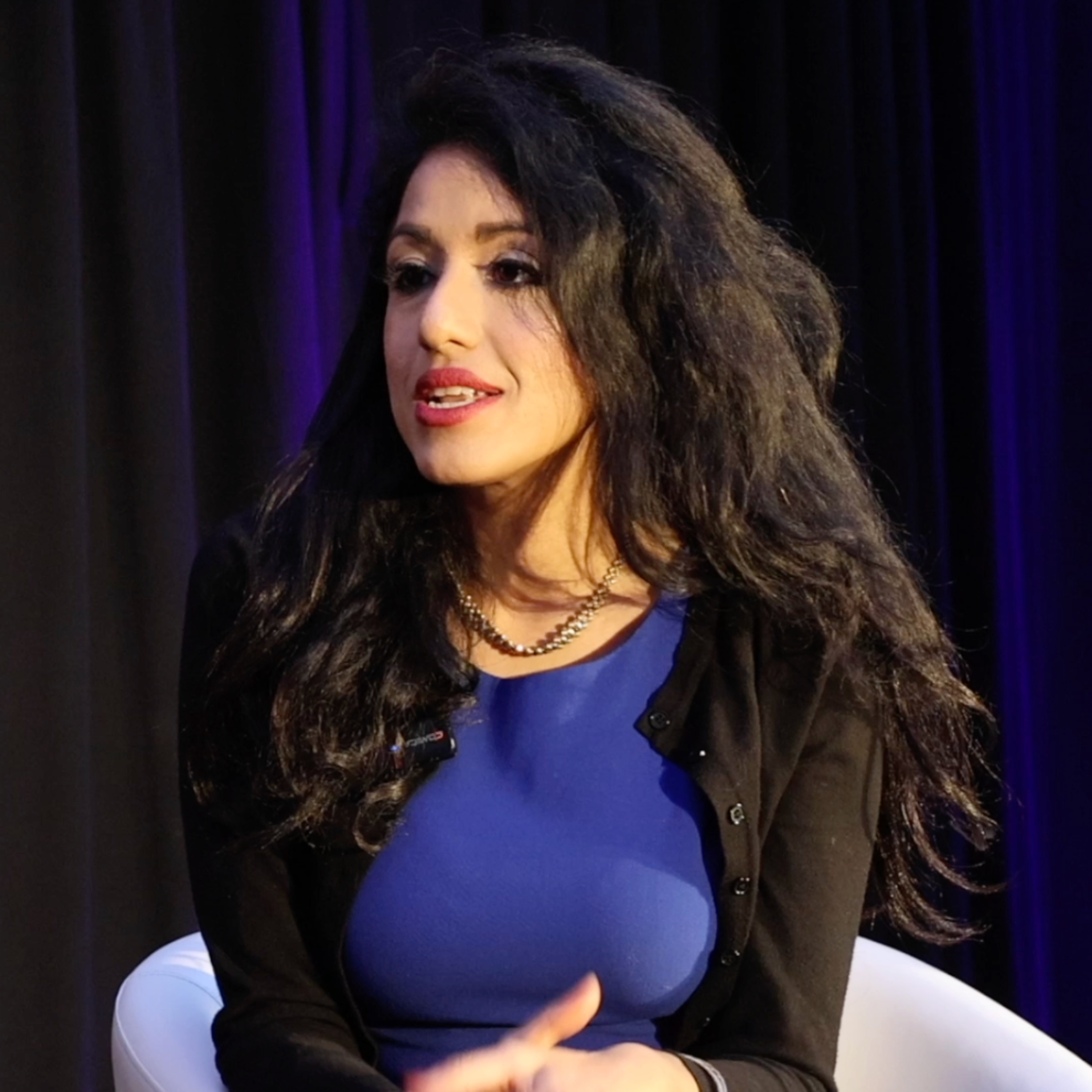
The winning strategy in the AI data market has evolved beyond simply finding smart people. Leading companies differentiate with research teams that anticipate the future data requirements of models, innovating on data types for reasoning and STEM before being asked.
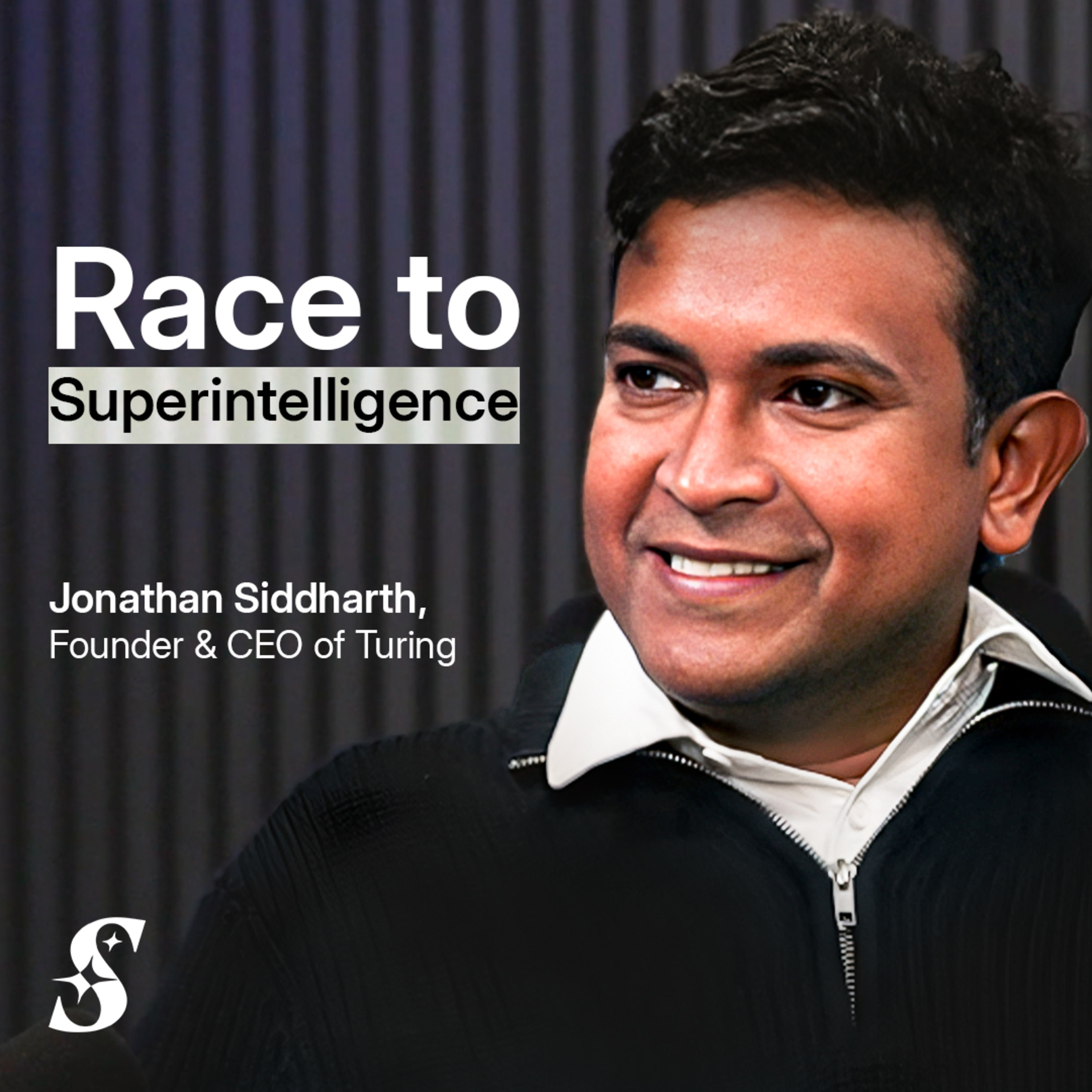
To foster an AI-centric culture, Personio goes beyond simple recognition and offers tangible, high-value incentives. They announced that several seats in their highly coveted annual President's Club trip would be reserved for employees who make the best contributions to their AI initiatives.
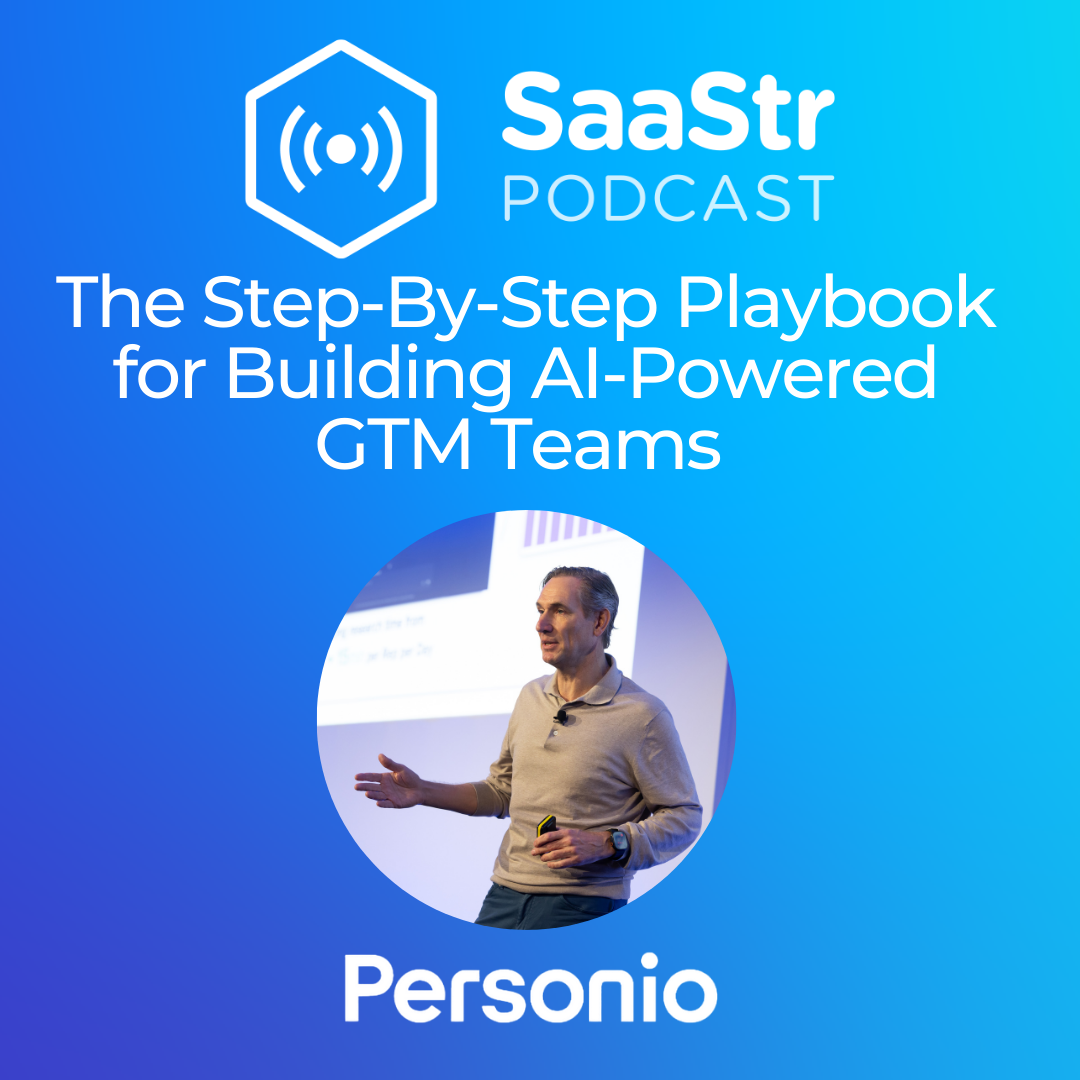
Once financial needs are met, top engineers are motivated by meaning and creativity, not incremental pay bumps. To retain them, leaders must create an environment where R&D teams feel they are genuinely innovating, beyond just executing a quarterly roadmap. This sense of mission is the key differentiator.

Getting hired at a premier AI lab like Google DeepMind often bypasses traditional applications. Top researchers actively scout and directly contact individuals who produce work that demonstrates excellent "research taste." The key is to independently identify and pursue fruitful research directions, signaling an innate ability to innovate.

The constant movement of researchers between top AI labs prevents any single company from maintaining a decisive, long-term advantage. Key insights are carried by people, ensuring new ideas spread quickly throughout the ecosystem, even without open-sourcing code.

Companies with an "open by default" information culture, where documents are accessible unless explicitly restricted, have a significant head start in deploying effective AI. This transparency provides a rich, interconnected knowledge base that AI agents can leverage immediately, unlike in siloed organizations where information access is a major bottleneck.

To escape dysfunctional promotion incentives, engineers can join teams with a reputation for a higher technical bar, like Meta's PyTorch. These teams attract talent passionate about the craft, not just advancement. While promotions may be slower, the team's strong reputation can create better long-term career outcomes.