Get your free personalized podcast brief
We scan new podcasts and send you the top 5 insights daily.
Getting hired at a premier AI lab like Google DeepMind often bypasses traditional applications. Top researchers actively scout and directly contact individuals who produce work that demonstrates excellent "research taste." The key is to independently identify and pursue fruitful research directions, signaling an innate ability to innovate.

Related Insights
For programs like MATS, a tangible research artifact—a paper, project, or work sample—is the most crucial signal for applicants. This practical demonstration of skill and research taste outweighs formal credentials, age, or breadth of literature knowledge in the highly competitive selection process.

Sending a resume is now an outdated and ineffective way to get noticed by AI startups. The proven strategy is to demonstrate high agency by building a relevant prototype or feature improvement and emailing it directly to the founders. This approach has led to key hires at companies like Suno and Micro One.

The intense talent war in AI is hyper-concentrated. All major labs are competing for the same cohort of roughly 150-200 globally-known, elite researchers who are seen as capable of making fundamental breakthroughs, creating an extremely competitive and visible talent market.
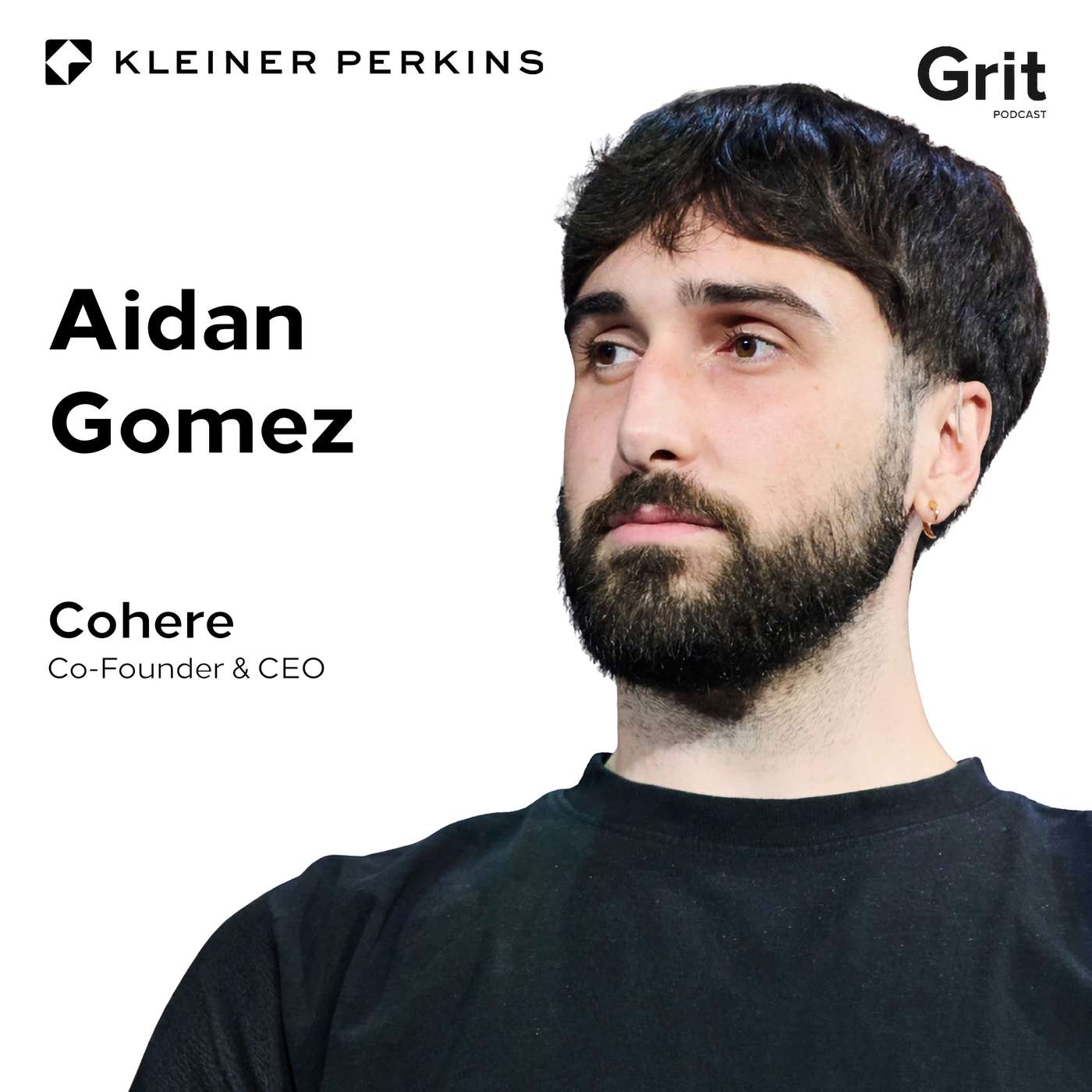
A key to OpenAI's innovation is hiring young talent who grew up thinking natively about AI. These individuals "hold the model weights in their brains," enabling creative breakthroughs. The team behind the video model Sora, for instance, has a median age in the low twenties.
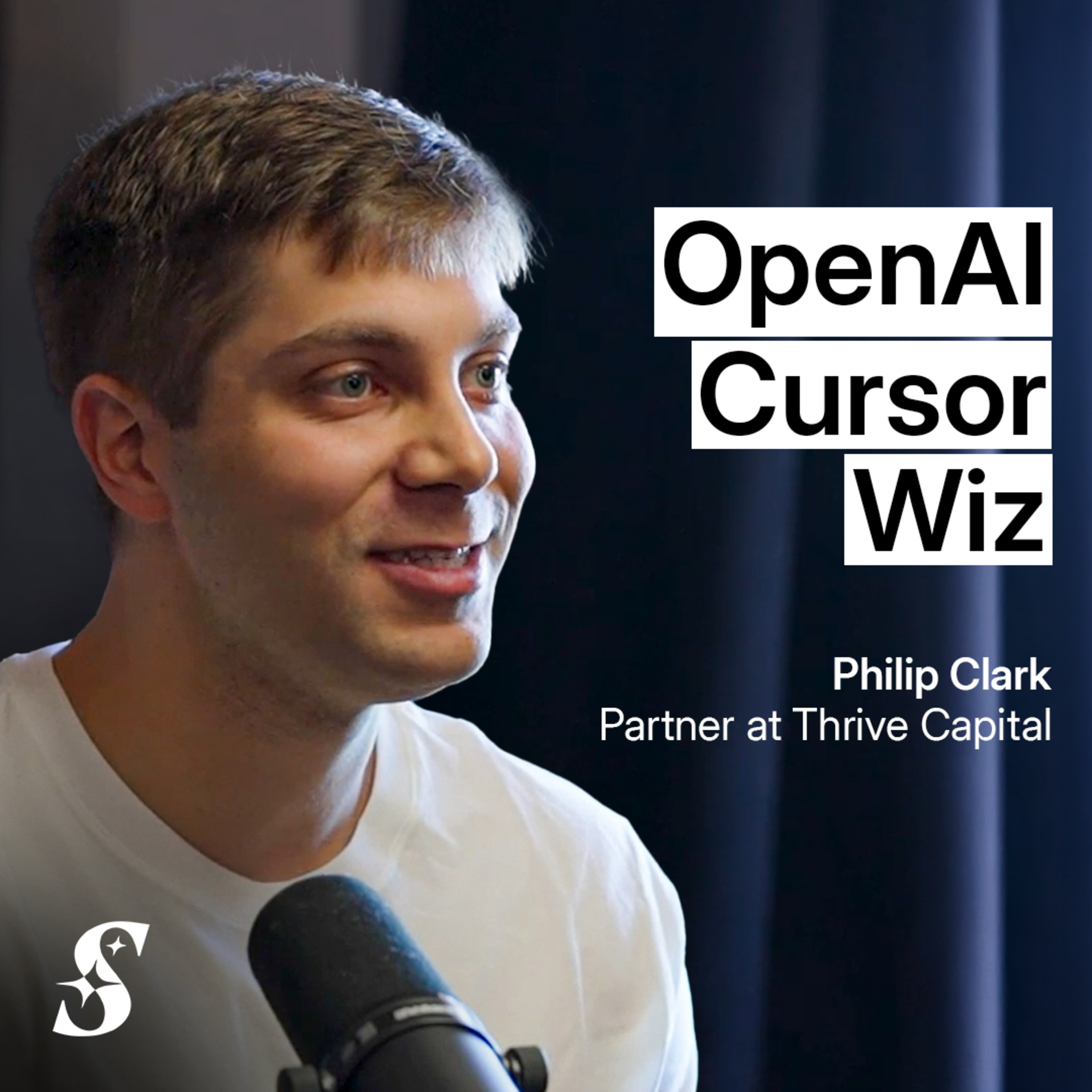
A powerful, non-traditional way to break into a competitive field like AI is to identify a company's core research hub and offer your services for free on off-hours. This demonstrates passion and provides direct access to opportunities before they become formal roles, allowing you to bypass traditional application processes.
Eleven Labs bypasses traditional hiring signals by looking for talent based on demonstrated skill. They hired one of their most brilliant researchers, who was working in a call center, after discovering his incredible open-source text-to-speech model. This underscores the value of looking beyond resumes.

Lovable prioritizes hiring individuals with extreme passion, high agency, and autonomy—people for whom the work is a core part of their identity. This focus on intrinsic motivation, verified through paid work trials, allows them to build a team that can thrive in chaos and drive initiatives from start to finish without supervision.

The most promising junior candidates are those who demonstrate self-learning by creating things they weren't asked to do, like a weekend app project. This signal of intrinsic motivation is more valuable than perfectly completed assignments.

When hiring, focus on what a person has created, not their stated attributes or background. A great "invention" (a project, a piece of writing, code) is the strongest signal of a great "inventor." This shifts the focus from potential to proven output, as Charlie Munger advised.
![Patrick O’Shaughnessy - Creating on Principle - [Invest Like the Best, EP.455] thumbnail](https://megaphone.imgix.net/podcasts/816fce6a-f5b6-11f0-9c9c-33831009577b/image/1f5ec11a816e37bc484e46cbf9b3421d.jpg?ixlib=rails-4.3.1&max-w=3000&max-h=3000&fit=crop&auto=format,compress)
For cutting-edge AI problems, innate curiosity and learning speed ("velocity") are more important than existing domain knowledge. Echoing Karpathy, a candidate with a track record of diving deep into complex topics, regardless of field, will outperform a skilled but less-driven specialist.