Get your free personalized podcast brief
We scan new podcasts and send you the top 5 insights daily.
For elite founders with a track record like Google's Jeff Dean, traditional venture capital due diligence is irrelevant. Top-tier firms such as Khosla Ventures will co-lead a round without seeing a pitch deck, as the founder's reputation alone is sufficient to de-risk the investment.

Related Insights
A top-tier VC's primary value isn't just capital; it's the immediate credibility they lend to a startup that may not have earned it yet. This credibility is then 'harvested' to attract elite talent, future funding, and crucial brand momentum.
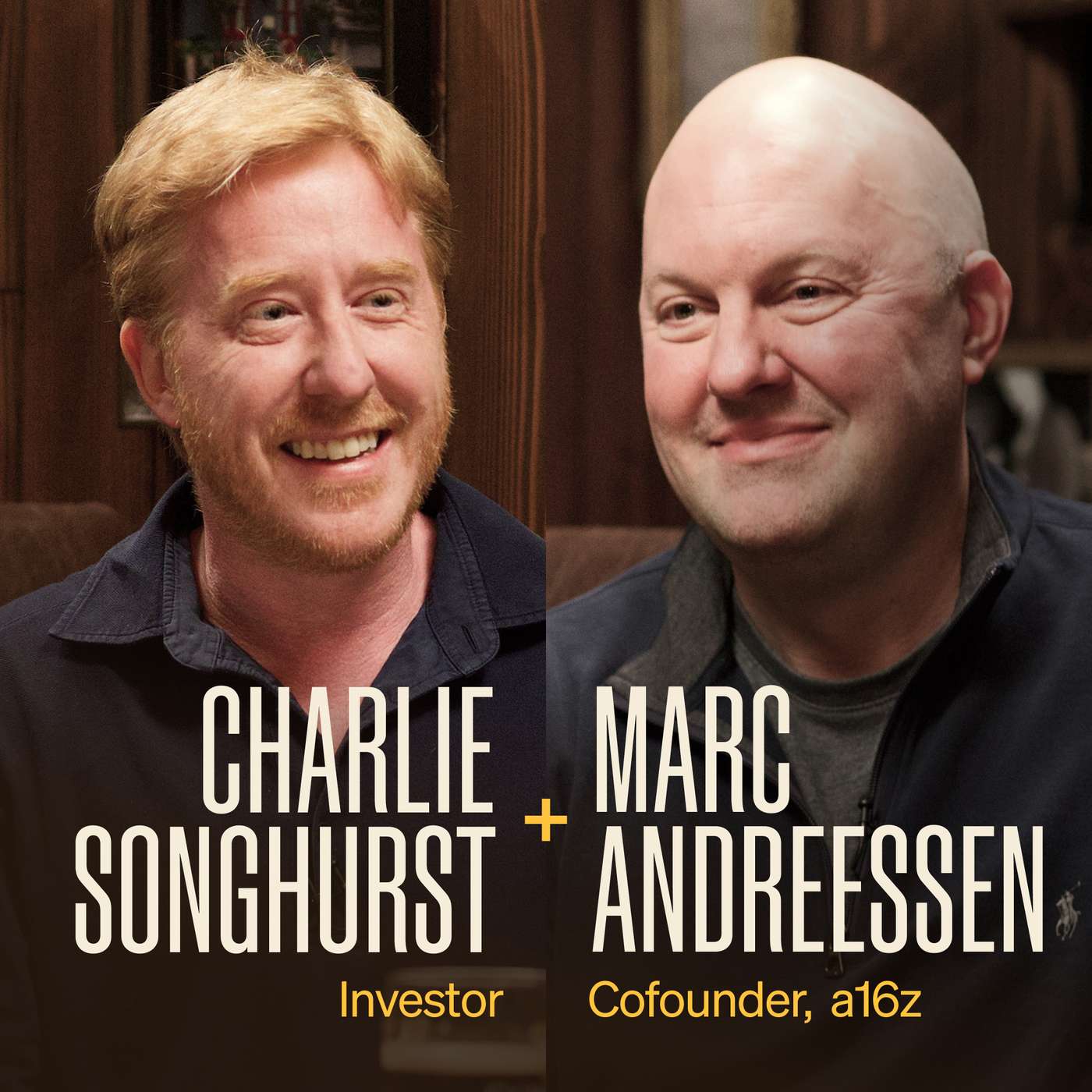
When you find a special founder, all other rules (ownership targets, valuation) can be broken. Andreessen echoes VC pioneer Arthur Rock's conclusion: he would have been a better investor by focusing 100% on the founder's resume and ignoring the business plan entirely. Great people trump everything else.

Brian Singerman's venture strategy was almost entirely focused on founder assessment, making up over 98% of his decision. He famously doesn't read financial reports or use spreadsheets, instead concentrating all his effort on one question: is this founder the best in the world at something novel?

VCs at the highest level don't just write checks; they fundamentally reset a founder's aspirations. By placing a startup in the lineage of giants like Google and Oracle, they shift the goal from building a big business to creating a generational company.
Top VCs' biggest regrets come from passing on genuinely 'great' founders over solvable diligence issues. Mike Maples Jr. advises that when you encounter this rare trait, you should invest immediately, even if the business model is unclear.
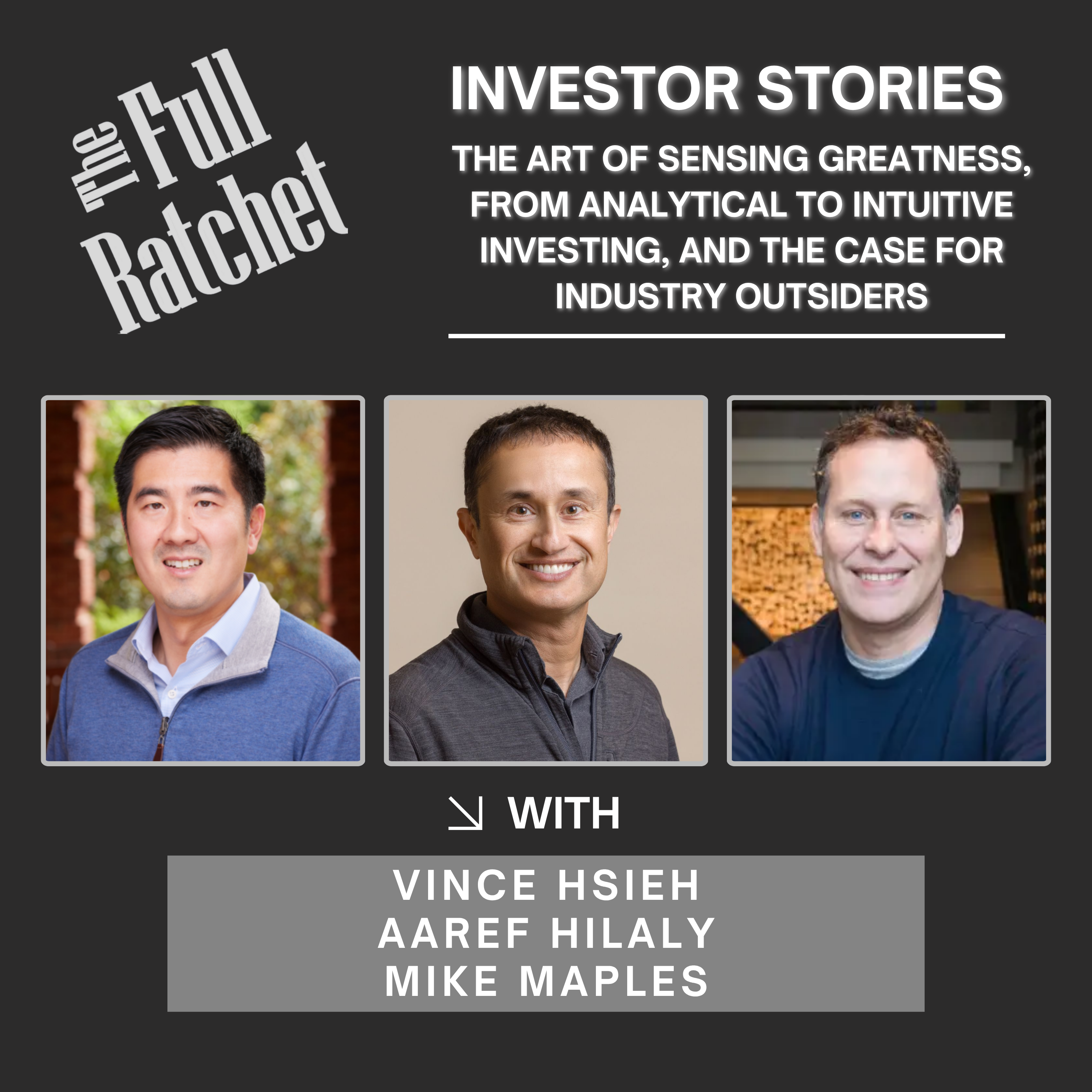
Fundraising isn't a single transaction. A top Japanese VC prefers to invest in founders he's known for over two years, valuing trust built through long-term relationships over a polished fundraising pitch.

The ideal seed investor isn't just a finance professional. They are a respected founder of a successful company in a hot, emerging field. This status grants them credibility, access, and respect from other founders, leading to superior deal flow that cannot be accessed otherwise.

A primary strategy for early-stage investment is partnering with entrepreneurs with a successful track record, often from previous portfolio companies. VCs will back a person they trust, like a former Chief Scientific Officer or a repeat founder, valuing proven execution experience sometimes even more than a nascent scientific concept.

In early-stage investing, the quality of the founder can be more important than the initial business concept. A strong founder is seen as someone who will eventually find success, even if the first idea requires a pivot.
The quality of the founder is the single most important variable. A great founder with a mediocre plan will outperform a mediocre founder with a great plan. The best investment strategy is to back exceptional people and give them leeway, as they will create upside that breaks all precedents.
