Get your free personalized podcast brief
We scan new podcasts and send you the top 5 insights daily.
With priorities shifting from "P0" to "P000" in a single day, the key hiring trait is psychological resilience and a positive attitude towards chaos. The ability to embrace challenges and brutally prioritize is essential to avoid burnout on high-velocity teams.

Related Insights
To prevent burnout from constant AI model releases, GitHub's product leader treats his team like athletes who need rest for peak performance. This includes rotating high-stress roles, proactively increasing headcount, forcing focus on only the top three priorities, and enforcing recovery periods.

Deel's hiring philosophy filters for what they call "default optimism." CEO Alex Bouaziz believes that when navigating the inevitable challenges of a startup, you need people who naturally default to a positive outlook rather than a negative one, fostering a more resilient and enjoyable work environment.

As a company scales, there's a temptation to hire for big-name credentials. Instead, Hims' CEO prioritizes candidates who have demonstrated grit and resilience through chaotic, high-pressure situations, valuing these "builders" over polished, non-startup "strategists."

For startups experiencing hypergrowth, the ideal HR leader has experience not just in growth, but in chaotic, high-stress environments. These individuals, often veterans of companies like early Uber, have the resilience and scar tissue necessary to navigate the inevitable cultural and organizational challenges.

Prioritize candidates who have navigated difficult situations. They learn more from tough times than from being at a constantly successful company where mistakes might be masked by overall growth. Adversity builds crucial problem-solving skills and resilience that are invaluable to a growing organization.
Early-stage startups thrive on rapid iteration. Seek hires who can 'get shit done at an incredible clip' and make decisions at '100 miles per hour,' even if some are wrong. These individuals, often 'rough around the edges,' are more valuable than candidates with perfect paper pedigrees from large tech companies.

Lovable prioritizes hiring individuals with extreme passion, high agency, and autonomy—people for whom the work is a core part of their identity. This focus on intrinsic motivation, verified through paid work trials, allows them to build a team that can thrive in chaos and drive initiatives from start to finish without supervision.

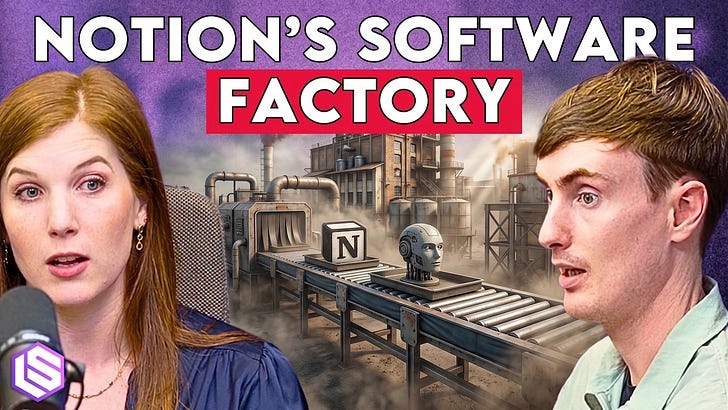
In the rapidly evolving AI space, rebuilding systems is common. Notion actively fosters a culture where engineers are driven by company goals, not attached to their past work. This prevents friction and allows the team to swarm problems and pivot quickly as capabilities change.
In rapidly evolving fields like AI, pre-existing experience can be a liability. The highest performers often possess high agency, energy, and learning speed, allowing them to adapt without needing to unlearn outdated habits.

Your first hires shouldn't be domain experts but 'high-slope' generalists with great attitudes, conscientiousness, and low neuroticism. They can be thrown at any problem, handle chaos, and grow with the company, which is more valuable than specialized experience in early days.