Get your free personalized podcast brief
We scan new podcasts and send you the top 5 insights daily.
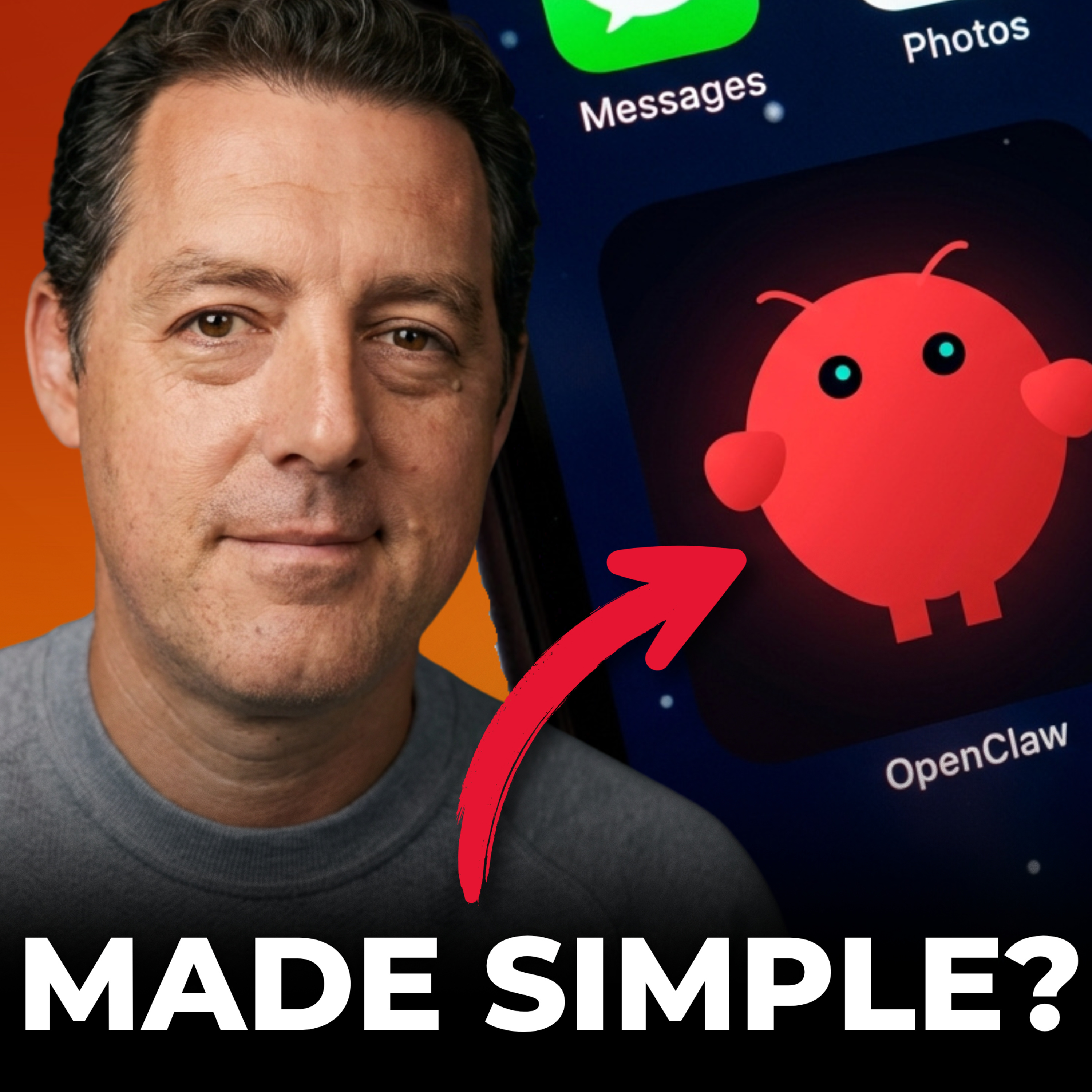
The next billion AI agent users will not interact via developer-centric interfaces like Telegram. The winning platforms will be opinionated, provide guardrails, and hide technical complexities like tool calls, offering a user experience closer to a polished SaaS product.

Related Insights
The next generation of software may lack traditional user interfaces. Instead, they will be 'API-first' or 'agent-first,' integrating directly into existing workflows like Slack or email. Software will increasingly 'visit the user' rather than requiring the user to visit a dashboard.

Power users of AI agents believe the ideal user interface is not graphical but conversational. They prefer text-based interactions within existing chat apps and see voice as the ultimate endgame. The goal is an invisible assistant that operates autonomously and only prompts for input when absolutely necessary, making traditional UIs feel like friction.
AI isn't just a feature; it's a fundamental UI/UX shift. B2B software that isn't conversational or agent-driven now feels "terrible" and dated. This shift is causing a potential "terminal decline" for incumbents who can't adapt, as value accrues to the new agentic layer.

To avoid becoming a valueless database that AI agents simply crawl, SaaS platforms must fundamentally change. The pivot is from being a UI for human data entry to becoming an orchestration layer where humans and agents collaborate, with agents becoming the primary focus of the user experience.
Power users are discovering that direct, conversational interaction with AI agents is more efficient than clicking through graphical user interfaces (GUIs). This signals a shift toward an 'app-less' world where tasks are accomplished via chat, potentially making traditional UI/UX design roles redundant for many applications.
Comparing chat interfaces to the MS-DOS command line, Atlassian's Sharif Mansour argues that while chat is a universal entry point for AI, it's the worst interface for specialized tasks. The future lies in verticalized applications with dedicated UIs built on top of conversational AI, just as apps were built on DOS.

The primary interface for managing AI agents won't be simple chat, but sophisticated IDE-like environments for all knowledge workers. This paradigm of "macro delegation, micro-steering" will create new software categories like the "accountant IDE" or "lawyer IDE" for orchestrating complex AI work.

As users increasingly rely on AI agents, traditional graphical user interfaces will become obsolete. SaaS products must evolve to offer conversational interfaces that other agents can interact with directly. The primary user will shift from a human clicking buttons to another AI sending messages.
Furcon designed his AI agent platform, Nebula, to look and feel like Slack. This familiar messaging interface makes it easier for non-technical users to delegate complex tasks to AI agents, lowering the barrier to entry for powerful automation.

The shift from command-line interfaces to visual canvases like OpenAI's Agent Builder mirrors the historical move from MS-DOS to Windows. This abstraction layer makes sophisticated AI agent creation accessible to non-technical users, signaling a pivotal moment for mainstream adoption beyond the engineering community.