Get your free personalized podcast brief
We scan new podcasts and send you the top 5 insights daily.
In the current AI wave, young founders possess a unique advantage: they never learned the 'old way' of doing things. This lack of pre-AI mental baggage allows them to rethink entire workflows from first principles, giving them a speed and innovation edge over experienced operators who must first 'unlearn' old habits.

Related Insights
Major platform shifts like AI reward founders who are not burdened by historical context or "how things have been done before." This creates an environment where young, inexperienced teams working with high intensity (e.g., "9-9-6") can out-innovate incumbents with existing business models.
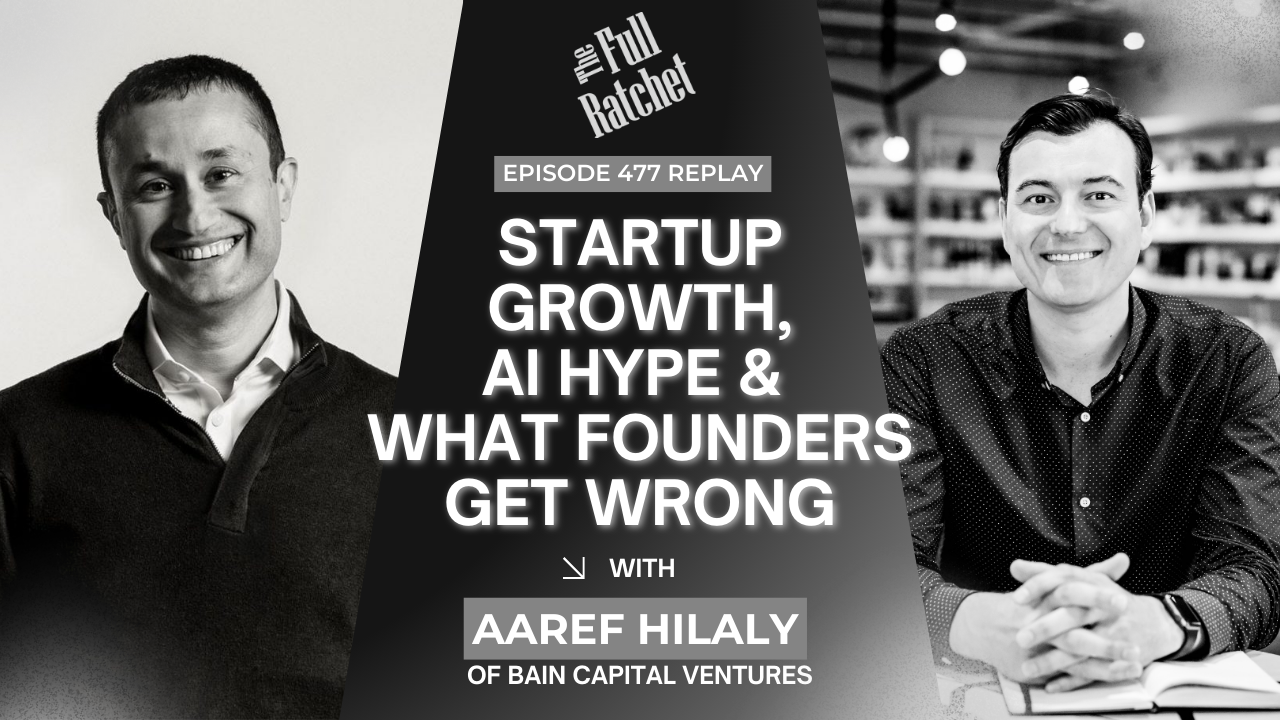
Incumbent companies are slowed by the need to retrofit AI into existing processes and tribal knowledge. AI-native startups, however, can build their entire operational model around agent-based, prompt-driven workflows from day one, creating a structural advantage that is difficult for larger companies to copy.

A key to OpenAI's innovation is hiring young talent who grew up thinking natively about AI. These individuals "hold the model weights in their brains," enabling creative breakthroughs. The team behind the video model Sora, for instance, has a median age in the low twenties.
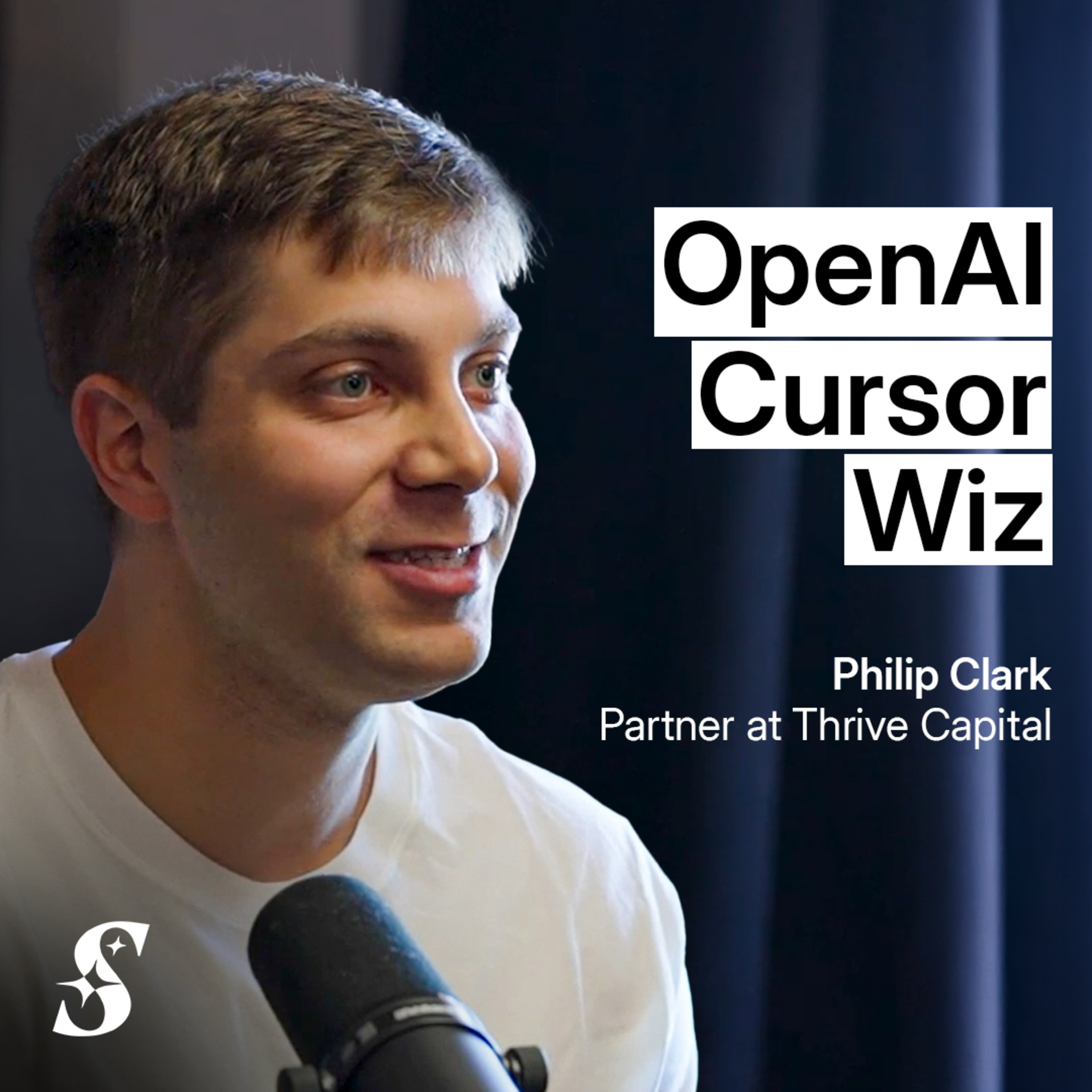
Silicon Valley's pro-youth bias is amplified in AI because the field is so new. Founders unburdened by "old world" industry practices can develop more contrarian, and often correct, theses. Experience in legacy systems becomes a liability when the entire paradigm is shifting.

In the current AI paradigm shift, experience building and selling traditional SaaS products is less relevant. Young founders, as native adopters of new AI technology, are at an advantage because everyone is rewriting the rules in real-time, leveling the playing field.

When building core AI technology, prioritize hiring 'AI-native' recent graduates over seasoned veterans. These individuals often possess a fearless execution mindset and a foundational understanding of new paradigms that is critical for building from the ground up, countering the traditional wisdom of hiring for experience.

Gokul is a huge fan of the trend toward very young founders, noting he's invested in more dropouts recently than in the past 15 years. He believes they are "AI maxing"—natively adopting AI tools to live and breathe differently, giving them an operational edge.

Incumbents face the innovator's dilemma; they can't afford to scrap existing infrastructure for AI. Startups can build "AI-native" from a clean sheet, creating a fundamental advantage that legacy players can't replicate by just bolting on features.

There's a growing belief in venture that experienced, second-time founders may be at a disadvantage in the AI era. Younger founders who grew up natively with new tools can move faster because they don't have to unlearn established, but now obsolete, ways of working.

In a paradigm shift like AI, an experienced hire's knowledge can become obsolete. It's often better to hire a hungry junior employee. Their lack of preconceived notions, combined with a high learning velocity powered by AI tools, allows them to surpass seasoned professionals who must unlearn outdated workflows.