Get your free personalized podcast brief
We scan new podcasts and send you the top 5 insights daily.
Young children under three have immature brains that lack the neural scaffolding to transfer information from a 2D screen into their 3D reality. This "video transfer deficit" explains why educational videos like Baby Einstein failed and even hindered development.

Related Insights
The belief that children born into a tech-rich world inherently understand how to use digital tools for education is false. Research shows their proficiency with entertainment platforms like YouTube or Roblox does not equip them with the skills needed for actual learning applications, leading to flawed assumptions in the classroom.
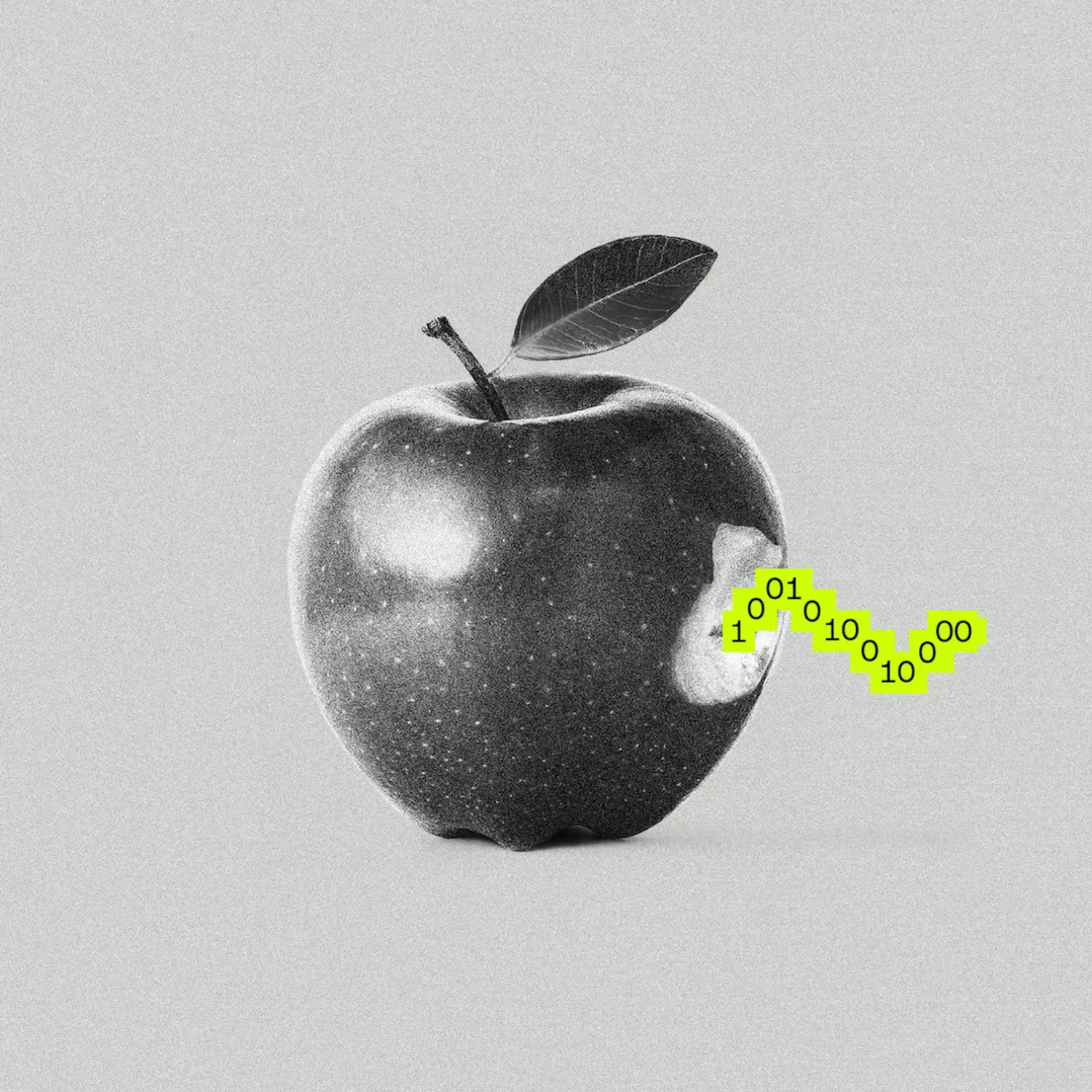
When parents use a smartphone to soothe an unhappy child, it establishes a powerful "perception-action loop." The child's brain learns that internal distress is a cue to reach for a digital device, conditioning them to seek external stimulation to manage negative emotions from a young age.

The brain's language centers must be developed when young through sufficient verbal exposure. A failure to do so is not just a temporary setback; it's a permanent developmental handicap that limits cognitive potential throughout adulthood.

Parents concerned about overstimulation from modern YouTube content are turning to 1990s TV shows like Barney. The slower pace, lack of jump cuts, and absence of algorithm-driven retention engineering provide a less addictive and potentially healthier viewing experience for young children's developing brains.

Unlike other primates, the human brain continues its rapid, fetal-like growth trajectory for years after birth. This protracted development period makes children uniquely receptive to intense social learning and environmental influences, effectively functioning as "external fetuses."

For millennia, an infant's 'social gate'—the neural architecture deciding what shapes development—opened only for humans. Sophisticated AI can now mimic the cues (eye contact, responsiveness) that open this gate, making it a direct, formative influence on the developing brain for the first time in history.
An iPad can create a "hangover" effect where children resist giving it up after a lesson. In contrast, e-ink displays provide the necessary interactivity for educational AI apps without the addictive qualities, making transitions smoother for young learners.

Children under seven operate primarily in a theta brainwave state, which is equivalent to hypnosis. They don't learn consciously but rather download behaviors, beliefs, and attitudes by observing their parents and community, forming the foundation of their subconscious programming.

Just as crawling is a vital developmental step for babies even though adults don't crawl, some learning processes that AI can automate might be essential for cognitive development. We shouldn't skip steps without understanding their underlying neurological purpose.

The brain doesn't just grow; it refines. It reaches maximum neural connections around age two, becoming like an overgrown garden. Subsequent development is a process of 'pruning' these connections to become more efficient and specialized for its specific environment, shifting from fluid to crystallized intelligence.
