Get your free personalized podcast brief
We scan new podcasts and send you the top 5 insights daily.
While AI tooling allows roles to blend and lets individuals build across disciplines, eliminating specialized functions creates significant risk. Teams still require deep expertise in core disciplines like product management, engineering, or design; cross-functional building should augment, not replace, a person's primary functional craft.

Related Insights
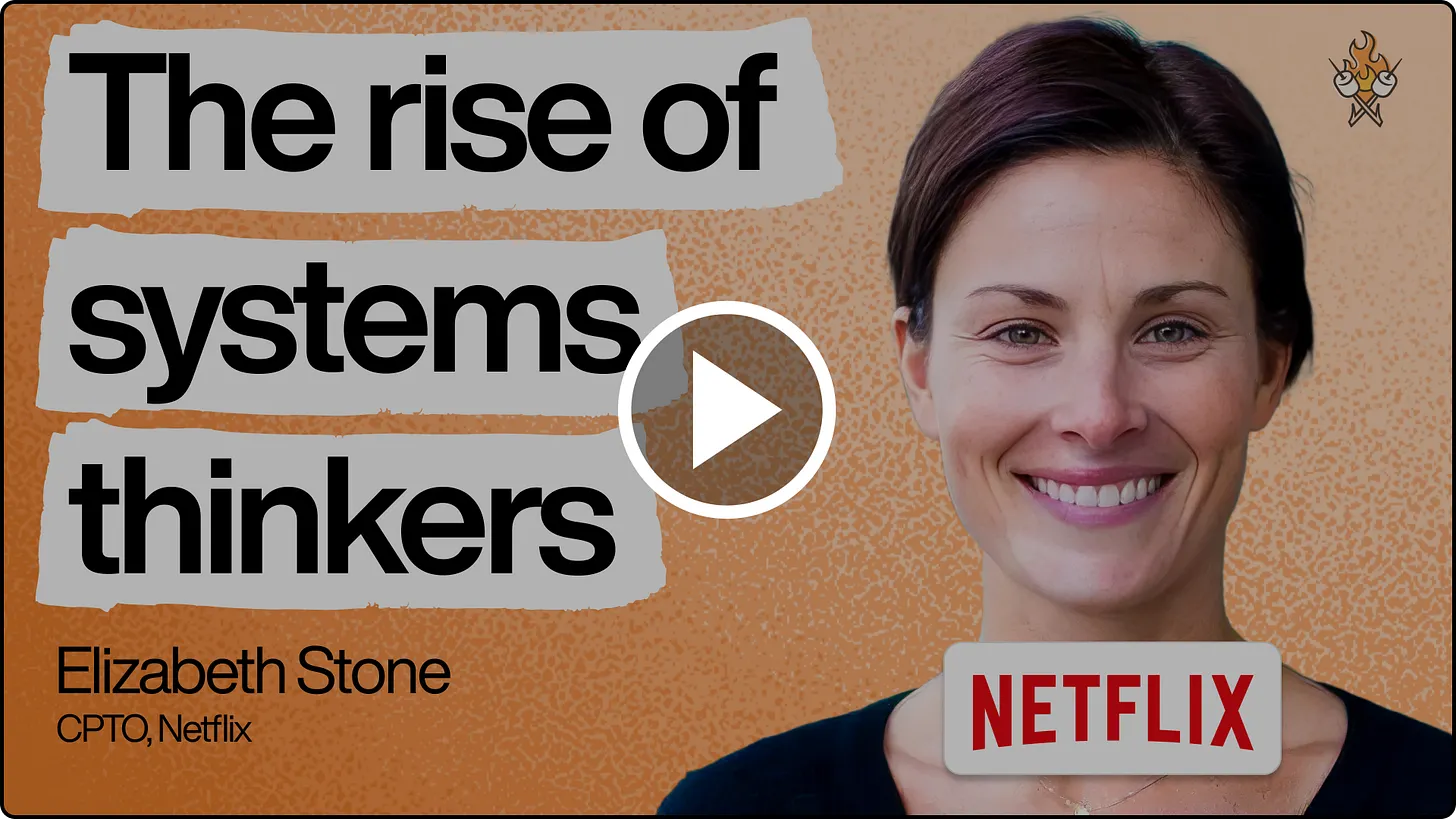
AI tools empower cross-functional work (e.g., PMs coding), creating temporary role confusion. However, Netflix's CPTO argues this fluidity accelerates prototyping without replacing the deep, scarce expertise of specialized roles. The core craft of engineering, design, and data science remains essential for quality and scale.
As AI handles routine coding, the most valuable engineers are either "dreamers" with strong product sense who can own features end-to-end, or deep subject matter experts who can verify and handle the complex, trust-critical parts of the system where human verification is still essential.

Instead of creating a virtual 'Product Manager,' effective AI involves specialized agents for discrete functions like prototyping, testing, or analytics. This redefines jobs by allowing a single person to orchestrate multiple functional agents, rather than simply creating a digital version of an existing role.

While AI tools create more overlap between product, design, and engineering, the core responsibilities will remain distinct in larger organizations. It's difficult to find one person who excels at rallying teams, crafting user experiences, and ensuring technical soundness, so specialized roles will persist.
Even as AI allows a designer to code or a PM to prototype, the fundamental responsibilities of each role persist. Design champions the user, product management owns business outcomes, and engineering ensures system integrity. The tools converge, but the core mindsets do not.

As AI enables generalists, there's a danger of losing specialists. On one end, this means losing the deep craft and delight that expert designers bring. On the other, it means neglecting the complex engineering required to make a product work reliably for millions of users.

Dylan Field predicts that AI tools will blur the lines between design, engineering, and product management. Instead of siloed functions, teams will consist of 'product builders' who can contribute across domains but maintain a deep craft in one area. Design becomes even more critical in this new world.

The traditional tech team structure of separate product, engineering, and design roles is becoming obsolete. AI startups favor small teams of 'polymaths'—T-shaped builders who can contribute across disciplines. This shift values broad, hands-on capability over deep specialization for most early-stage roles.
AI tools are collapsing the traditional moats around design, engineering, and product. As PMs and engineers gain design capabilities, designers must reciprocate by learning to code and, more importantly, taking on strategic business responsibilities to maintain their value and influence.

AI tools empower individuals to perform tasks traditionally siloed in other functions (e.g., PMs designing). This blurs the lines between specialized roles, leading to a "collapse" where one person can take a product from idea to prototype, fundamentally changing team structures.
