Get your free personalized podcast brief
We scan new podcasts and send you the top 5 insights daily.
China is poised to create a microcycle in chemicals by moving up the value chain to compete on quality, not just cost. This will create massive overcapacity and upend a global industry that seems unprepared for the coming upheaval.

Related Insights
From China's perspective, producing more than it needs and exporting at cutthroat prices is a strategic tool, not an economic problem. This form of industrial warfare is designed to weaken other nations' manufacturing bases, prioritizing geopolitical goals over profit.
For 30 years, China identified rare earths as a strategic industry. By massively subsidizing its own companies and dumping product to crash prices, it methodically drove US and global competitors out of business, successfully creating a coercive dependency for the rest of the world.
China's dominance isn't limited to rare earths; it accounts for 35% of global manufacturing—three times the US. This industrial might gives it the theoretical ability to apply similar coercive licensing regimes in sectors from EVs to renewable energy, posing a systemic risk.
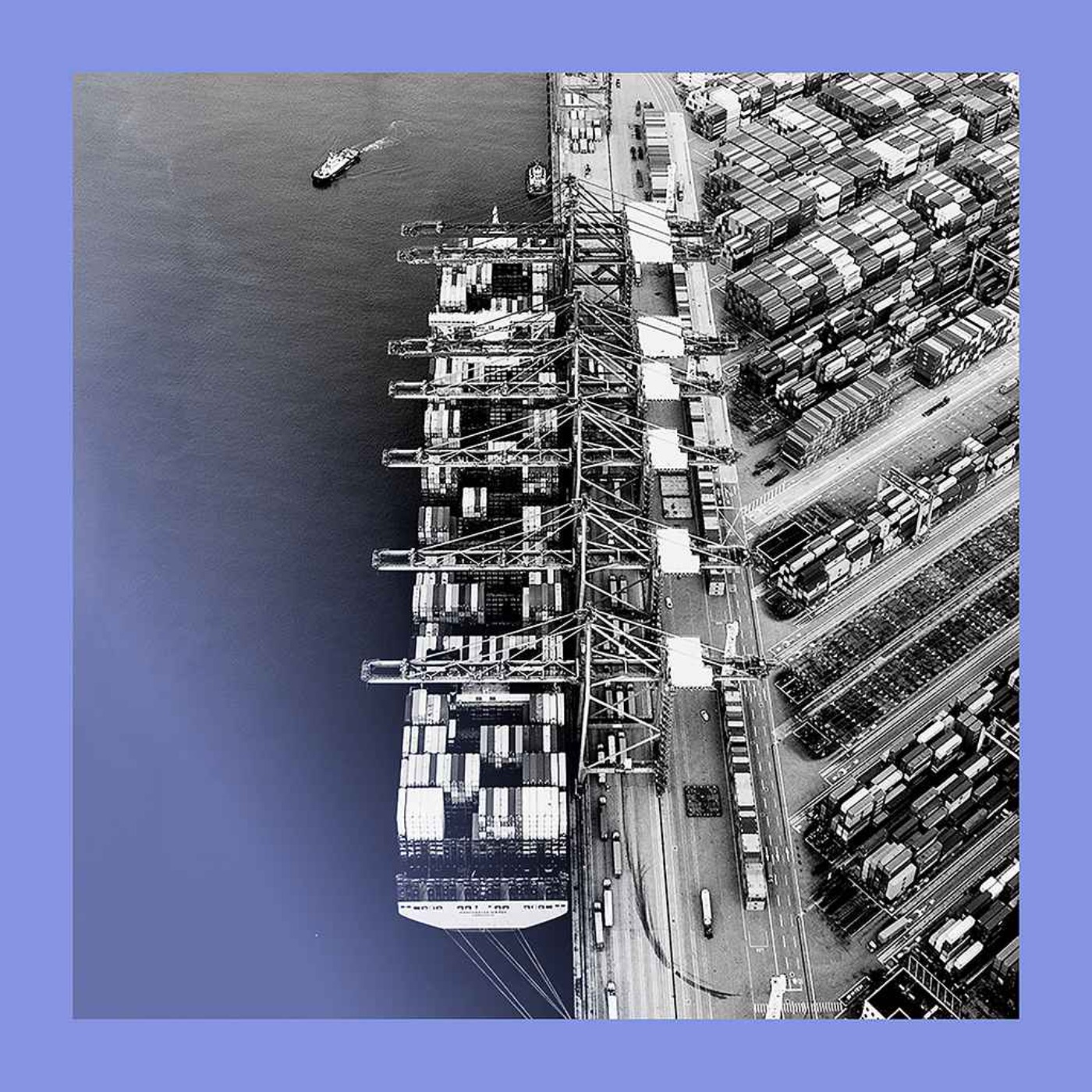
China employs "weaponized pricing" by offering refining services at a negative cost, effectively paying countries to process their copper. This tactic makes it impossible for Western refiners to compete, ensuring China maintains its stranglehold on the critical midstream supply chain.

While headlines focus on advanced chips, China’s real leverage comes from its strategic control over less glamorous but essential upstream inputs like rare earths and magnets. It has even banned the export of magnet-making technology, creating critical, hard-to-solve bottlenecks for Western manufacturing.

In response to deflation and eroding profits from hyper-competition, the Chinese government's "anti-evolution" policy is a deliberate strategy to force consolidation, reduce overcapacity, and restore pricing power, thereby boosting corporate return on equity.

China's economic structure, which funnels state-backed capital into sectors like EVs, inherently creates overinvestment and excess capacity. This distorted cost of capital leads to hyper-competitive industries, making it difficult for even successful companies to generate predictable, growing returns for shareholders.

China's economic model, driven by internal provincial competition, creates massive overcapacity. This is intentionally turned into an asset by dumping subsidized products (like EVs) into foreign markets below cost. The goal is to eliminate foreign competitors, create dependency, and convert domestic economic chaos into international power.

China's global dominance isn't in owning mines, but in controlling the midstream refining and smelting processes. This creates a critical choke point for the West's supply of essential materials for defense, AI, and electrification, as they control 50-98% of processing capacity for key metals.
Beyond raw materials, China's national ambition is to achieve near-total self-sufficiency. The prevailing mood is that there is "nothing for which it wants to rely on foreigners a single day longer than it has to." This philosophy of aggressive import substitution signals a fundamental break with the logic of reciprocal global trade.
