Get your free personalized podcast brief
We scan new podcasts and send you the top 5 insights daily.
Unlike many politicians, Chancellor Denis Healey demonstrated the intellectual self-confidence to completely reverse his economic strategy. After officials warned his high-spending approach was failing, he accepted their critique and reinvented himself as a monetarist focused on curbing inflation, a rare example of a major policy U-turn.

Related Insights
By 1975, Britain was widely seen as the "sick man of Europe," facing extreme inflation, industrial strife, and a crisis of confidence. This apocalyptic atmosphere created an appetite for a leader who promised decisive, radical change.
The ideal Fed Chair is not just a technical expert but someone with an "open mind" capable of deviating from orthodoxy. Alan Greenspan's success in the 1990s came from recognizing the internet's productivity boom and letting the economy run, a contrast to rigid adherence to models that could stifle growth.
Reflecting on the slow response to post-COVID inflation, Lagarde identifies her biggest regret: rigidly adhering to the ECB's pre-stated "forward guidance." This highlights the danger of public commitments hindering necessary policy pivots in rapidly changing economic conditions.

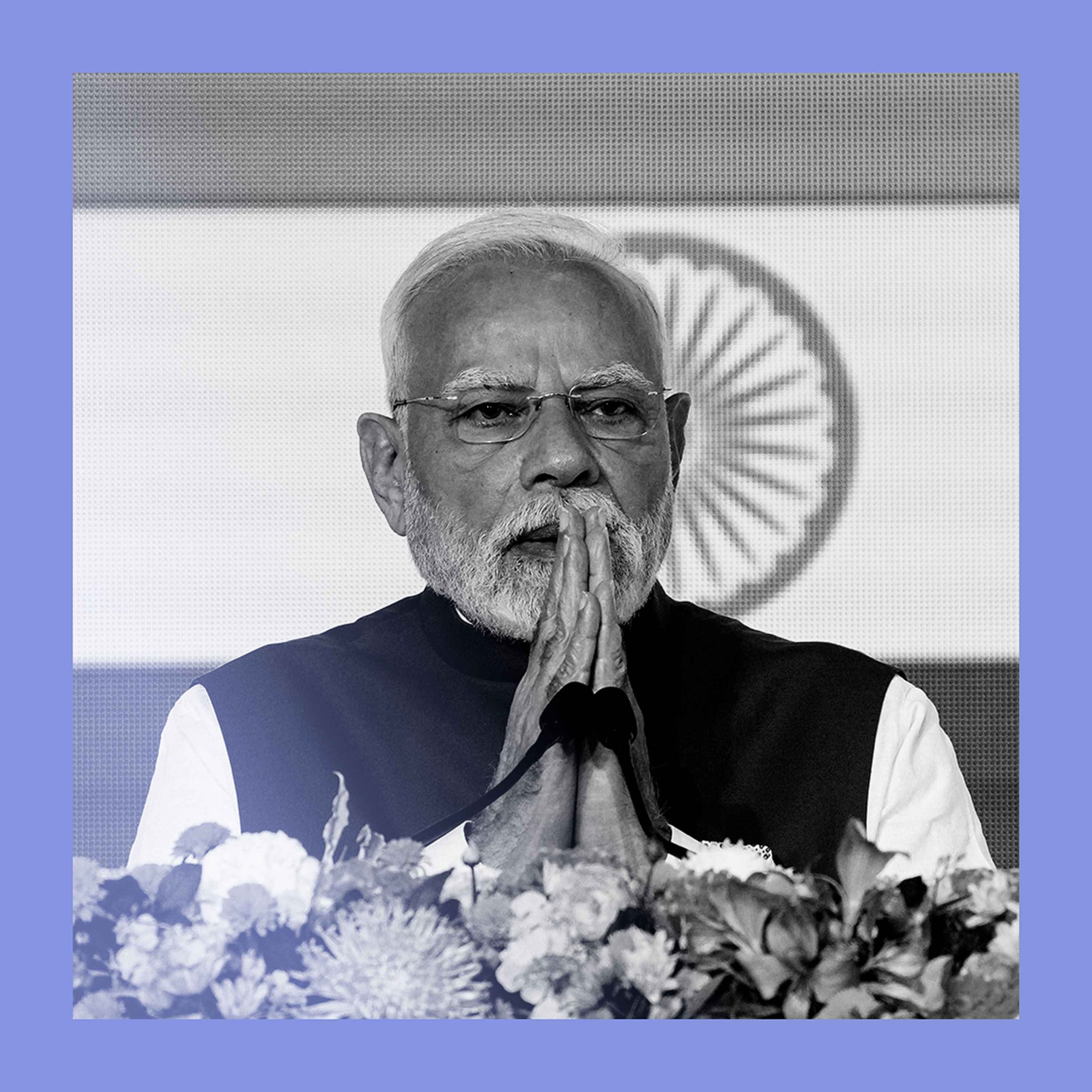
After a disappointing 2024 election where his party lost its majority, Narendra Modi shifted focus from a divisive cultural agenda to pragmatic economic reforms. This includes simplifying taxes, overhauling labor laws, and securing trade deals, a move that has helped him regain political dominance and respond to voter concerns about inflation.
In a display of pure partisan politics, Margaret Thatcher's Conservative party voted against Chancellor Denis Healey's spending cuts, despite ideologically agreeing with them. Their goal was not policy but to defeat and destabilize the Labour government, demonstrating how oppositional strategy can override principle.
Major policy shifts are often best enacted by unexpected political figures (e.g., Nixon in China). Similarly, left-leaning governments can push through tough fiscal austerity because they are immune to accusations of being anti-worker from their own base, a critique that would cripple a right-wing government.

Alan Blinder notes that politicians, driven by electoral cycles, lack the will to use fiscal tools (like tax hikes or spending cuts) to cool an overheating economy. The last instance was in 1968 under President Johnson, underscoring why an independent central bank is the only reliable institutional defense against inflation.

The UK economy was in a death spiral with inflation nearing 25%. The government responded with reckless spending (up 35% in one year) and confiscatory taxes (up to 98% on investments), leading to a collapse in business confidence.
The 2022 UK "mini-budget" crisis serves as a stark example of market power. When the government proposed unfunded tax cuts, the bond market reacted instantly and violently, forcing a rapid policy U-turn. This proves that bond markets serve as a powerful disciplinary force against governments pursuing unsustainable fiscal policies.

No political leader, whether in a democracy or autocracy, will accept the short-term blame for an economic contraction. The path of least resistance is always to print money and hand out checks, even though it exacerbates the long-term problem.
