Get your free personalized podcast brief
We scan new podcasts and send you the top 5 insights daily.
Tami Rosen's "Continuous Learning Cycle" at Pagaya replaced traditional reviews. It's a structured conversation focused on four questions about recent successes, failures, key learnings, and future goals. By decoupling this from compensation, it creates a psychologically safe environment for growth.

Related Insights
To accelerate organizational learning in AI, incentivize the sharing of failures. A Fortune 500 company gives employees redeemable points for sharing use cases, but offers *extra points* for detailing a failed experiment and the resulting lesson. This normalizes failure and prevents others from repeating the same mistakes.

Instead of setting rigid goals, the OHL framework defines objectives as puzzles. Teams then form hypotheses on how to solve them and are measured on their learnings through a cycle of three questions: "How well did it work?", "What did you learn?", and "What will you try next?"

To prevent a culture of blame, Sierra holds public "lessons learned" sessions for any failure, from lost deals to bugs. This frames failure as a collective responsibility of the team, not an individual's fault. The focus is on fixing the underlying system, fostering paranoia about processes, not people.
Move beyond annual reviews by implementing a structured competency model for bi-monthly, one-hour check-ins. This practice removes ambiguity from feedback, makes it conversational and actionable, and creates a continuous, transparent growth loop.

In a supportive culture, managing underperformance starts with co-authored goals upstream. When results falter, the conversation should be a diagnostic inquiry focused on removing roadblocks. This shifts the focus from the person's failure to the problem that's hindering their success, making tough conversations productive.

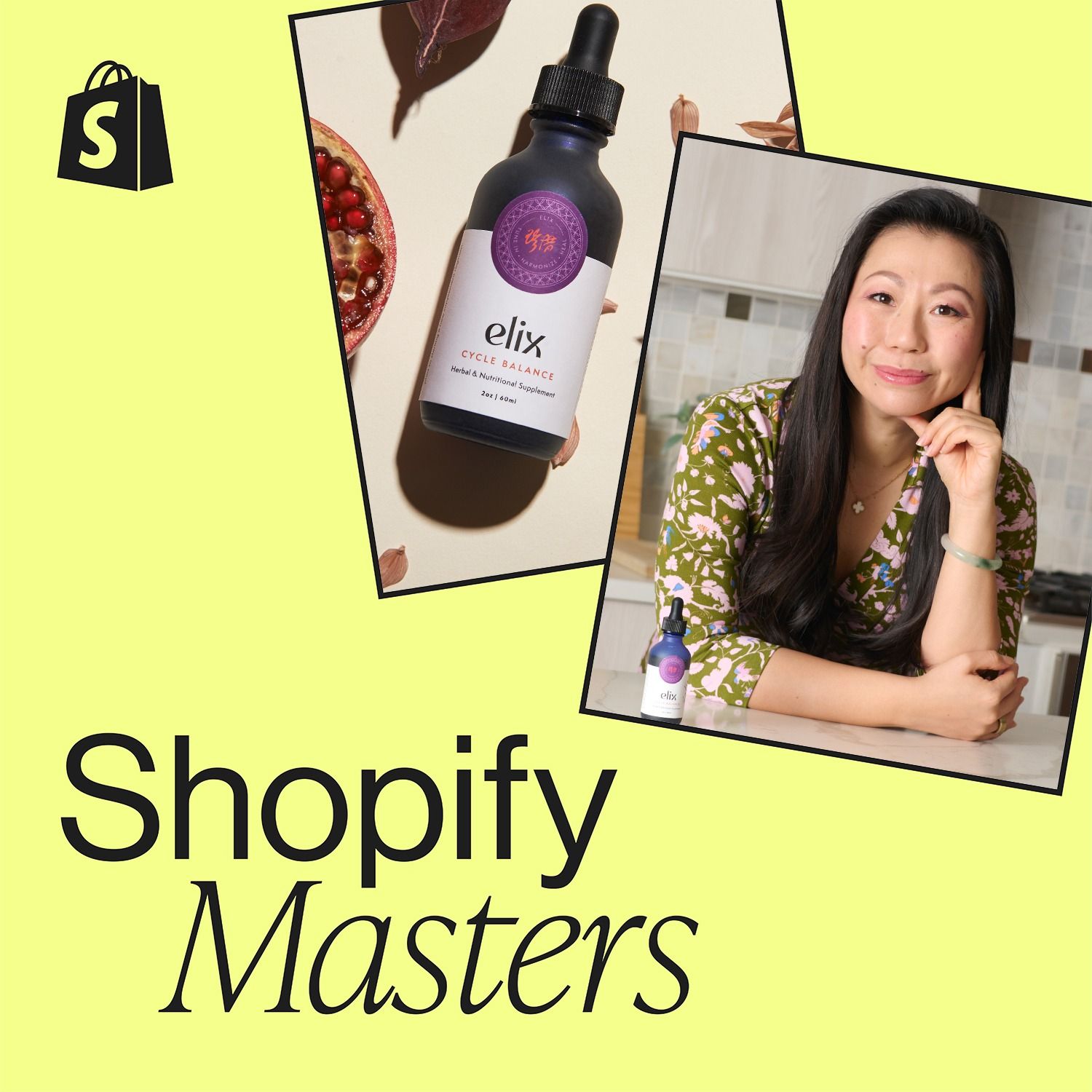
Elix mitigates the fear of 360-degree reviews by providing every full-time employee with an external coach. This structure ensures that critical feedback doesn't just feel exposing but is paired with professional guidance, turning potential blind spots into actionable development goals and fostering a true growth culture.
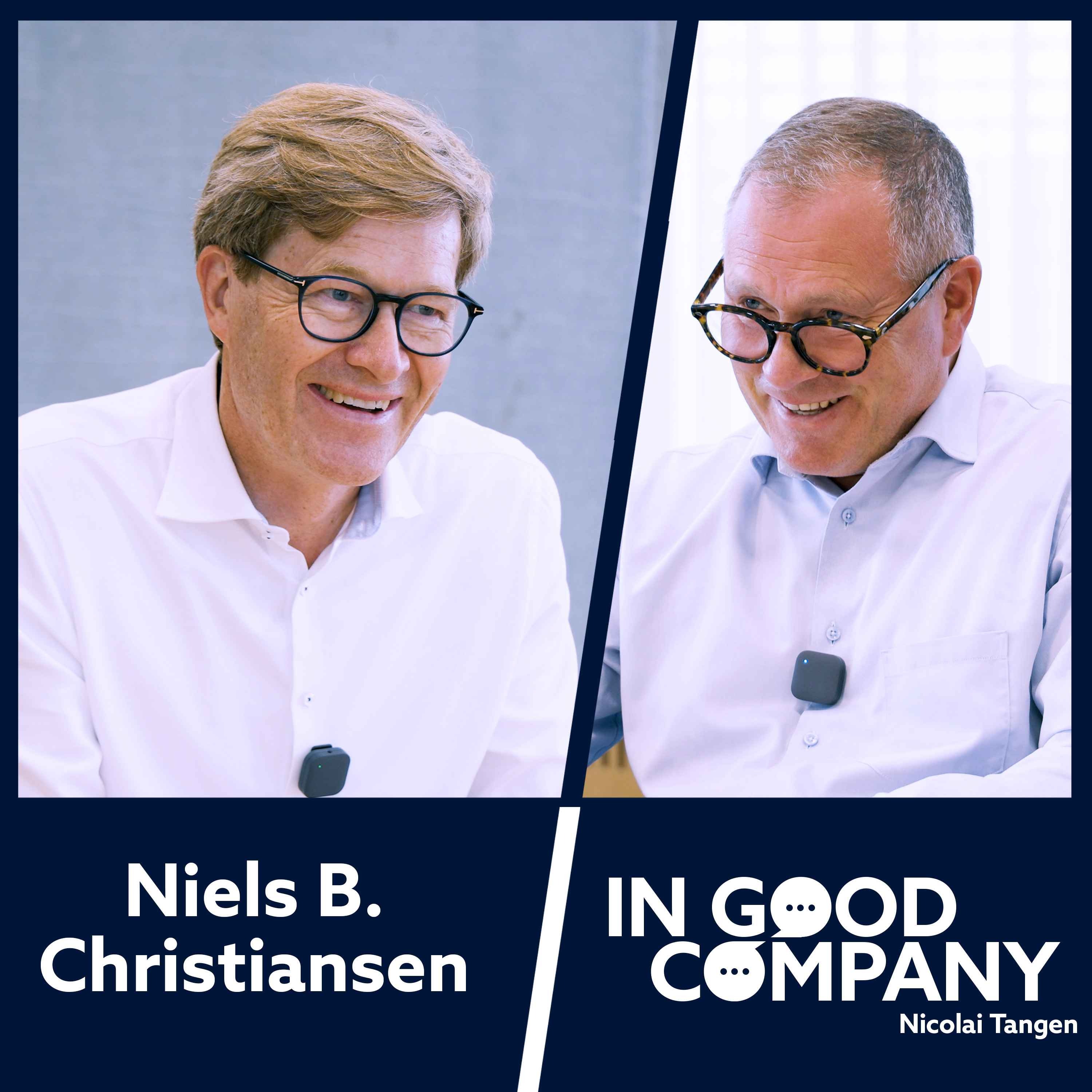
Instead of stigmatizing failure, LEGO embeds a formal "After Action Review" (AAR) process into its culture, with reviews happening daily at some level. This structured debrief forces teams to analyze why a project failed and apply those specific learnings across the organization to prevent repeat mistakes.
Annual or quarterly performance reviews are high-pressure, judgmental events that create fear. A more effective approach is to reframe management as coaching. This means providing frequent, trust-based feedback focused on developing an employee's long-term potential, rather than simply rating their past performance.

The phrase "Can I give you feedback?" triggers a threat response. Neuroleadership research shows that flipping the script—having leaders proactively *ask* for feedback—reduces the associated stress by 50% for both parties. This simple tweak fosters a culture of psychological safety and continuous improvement.

To foster psychological safety for innovation, leaders must publicly celebrate the effort and learning from failed projects, not just successful outcomes. Putting a team on a pedestal for a six-month project that didn't ship sends a stronger signal than any monetary award.
