Get your free personalized podcast brief
We scan new podcasts and send you the top 5 insights daily.
Scott argues you’re already surrounded by cameras in phones, ATMs, and streets, so collection is inevitable. The real problem is whether laws and institutions can restrict access, citing a Texas abortion-related lookup and an Indianapolis officer tracking his wife. He wants stringent privacy safeguards around use.

Related Insights
The CEO of surveillance camera company Flock stated he was wrong to assume regulatory processes would provide civil liberty protections for his product. This is a stark admission of a company deferring ethical responsibility to government bodies that may be unprepared to provide necessary oversight.

As AI-powered sensors make the physical world "observable," the primary barrier to adoption is not technology, but public trust. Winning platforms must treat privacy and democratic values as core design requirements, not bolt-on features, to earn their "license to operate."

When communities object to surveillance technology, the stated concern is often privacy. However, the root cause is usually a fundamental lack of trust in the local police department. The technology simply highlights this pre-existing trust deficit, making it a social issue, not a technical one.

Banning surveillance tools ignores measurable crime reduction and sparks political backlashes when crime fluctuates. Scott Galloway argues that rather than enacting blunt prohibitions, policymakers should enforce high evidentiary hurdles for serious crimes while outlawing private stalking and barring usage for petty offenses.
Automated private surveillance tools like Flock Safety cameras present significant trade-offs despite claims of crime reduction. Beyond reported cases of police officers abusing camera access to stalk personal contacts, continuous automated surveillance feeds encourage public reactivity, where observers mistake benign actions for criminal activity and trigger unnecessary confrontations that would not have existed otherwise.

The podcast highlights a core paradox: widespread fear of corporate surveillance systems like Ring coexists with public praise for citizens using identical technology (cell phones) to record law enforcement. This demonstrates that the perceived controller and intent, not the technology itself, dictate public acceptance of surveillance.
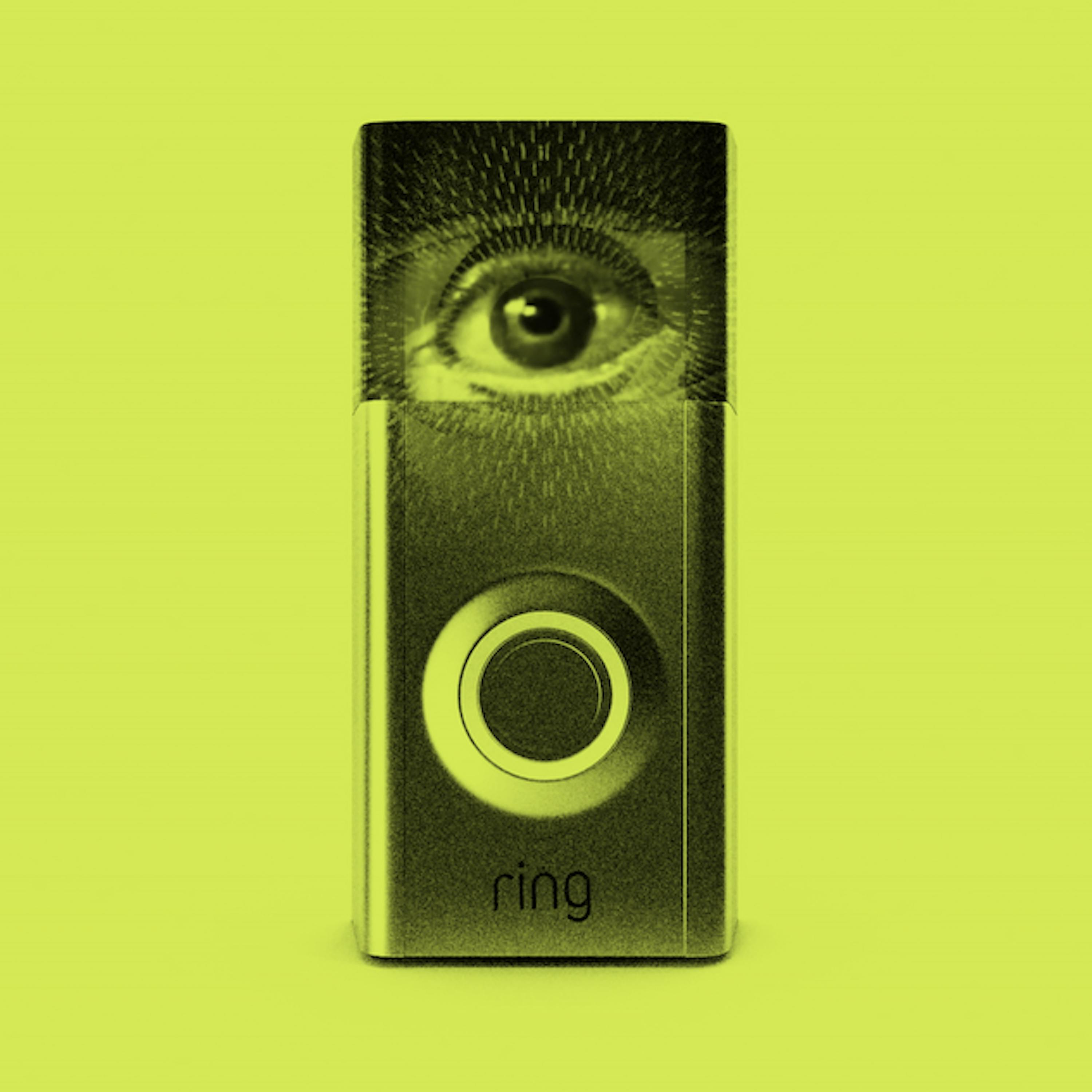
Schiff highlights how the intersection of automated public cameras, consumer microphones, and multimodal AI is eliminating residual privacy. Because models can be trained to aggregate health files, monitor broadcast consumption, and eavesdrop through connected devices, statutory protections must go beyond traditional public conduct rules to actively prevent technological models and private surveillance vendors from systematically destroying privacy.
Completely eliminating surveillance may be unworkable in a democracy where many citizens desire safety measures, but practical guardrails can restore public trust. Municipalities can require write-once immutable storage for all search audit trails while letting law-abiding citizens formally opt out of automated tracking at the DMV.
The debate over Flock's license plate readers highlights a societal contradiction. Citizens broadly oppose mass surveillance on privacy grounds but demand the use of these exact tools to solve crimes after they occur, creating a constant policy tension.

Opposition to automated license plate reading systems like Flock is surging rapidly across the political spectrum, mirroring community pushback against physical data centers. Rather than ordinary traffic enforcement, citizens and local officials increasingly view these widespread, visible camera networks and their shared nationwide databases as concrete symbols of uncontrolled mass surveillance, software error risk, and privacy overreach.
