Get your free personalized podcast brief
We scan new podcasts and send you the top 5 insights daily.
Specialized SaaS companies like Writer and Intercom are moving beyond simply wrapping OpenAI or Anthropic APIs. They are now training their own foundation models to create more defensible, vertically-integrated AI products, signaling a shift away from platform dependency toward bespoke AI stacks.

Related Insights
The rise of AI services companies like Invisible and Palantir, which build custom on-prem solutions, marks a reversal of the standardized cloud SaaS trend. Enterprises now prioritize proprietary, custom AI applications to gain a competitive edge.

Contrary to fears of a monopoly, the AI market is heading toward a diverse ecosystem. The proliferation of open-weight models and specialized tooling allows companies to build and control their own differentiated AI systems rather than simply renting intelligence token-by-token from a handful of large labs.

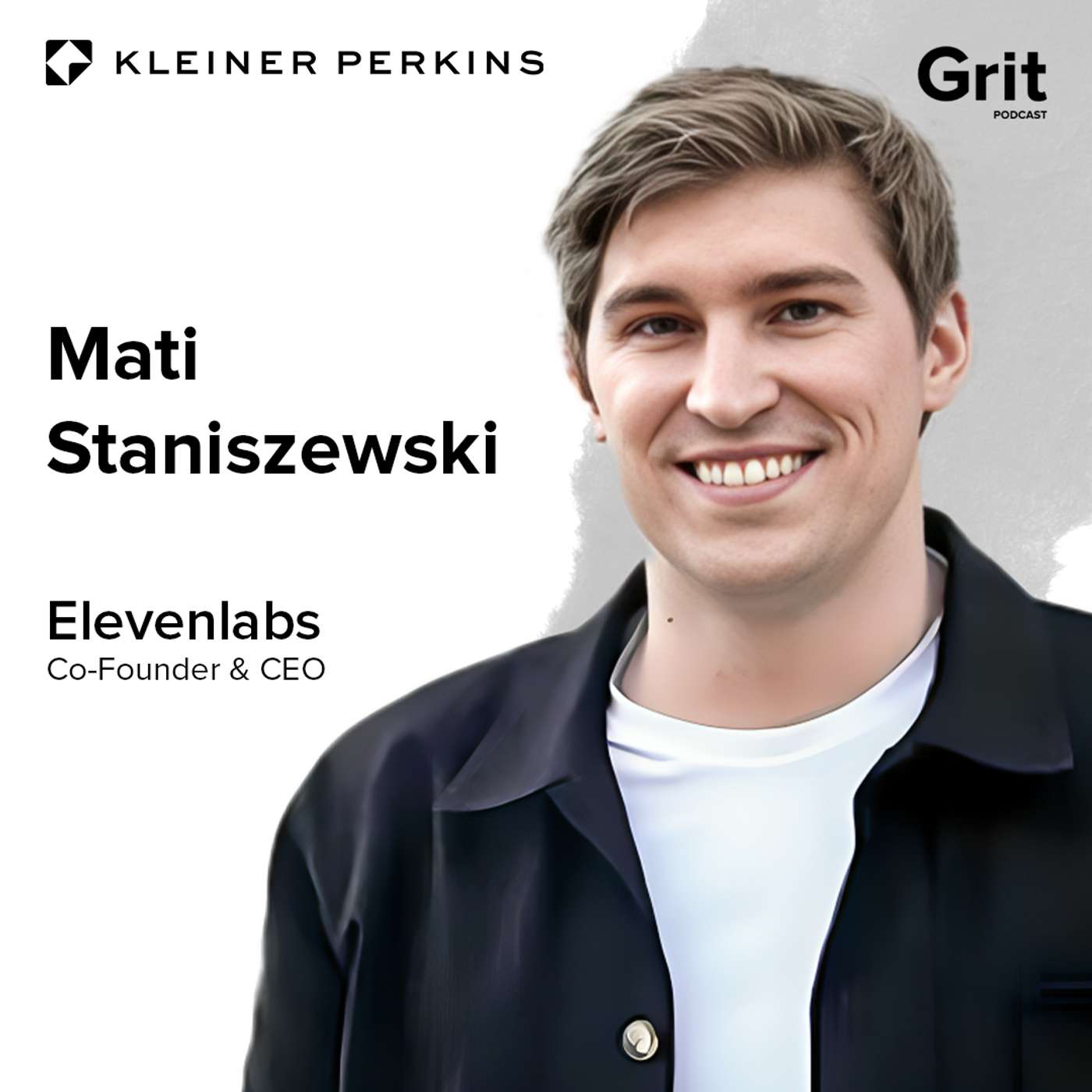
ElevenLabs' defense against giants isn't just a better text-to-speech model. Their strategy focuses on building deep, workflow-specific platforms for agents and creatives. This includes features like CRM integrations and collaboration tools, creating a sticky application layer that a foundational model alone cannot replicate.
Most successful SaaS companies weren't built on new core tech, but by packaging existing tech (like databases or CRMs) into solutions for specific industries. AI is no different. The opportunity lies in unbundling a general tool like ChatGPT and rebundling its capabilities into vertical-specific products.

Counter to fears that foundation models will obsolete all apps, AI startups can build defensible businesses by embedding AI into unique workflows, owning the customer relationship, and creating network effects. This mirrors how top App Store apps succeeded despite Apple's platform dominance.

The ease of building applications on top of powerful LLMs will lead companies to create their own custom software instead of buying third-party SaaS products. This shift, combined with the risk of foundation models moving up the stack, signals the end of the traditional SaaS era.

The common critique of AI application companies as "GPT wrappers" with no moat is proving false. The best startups are evolving beyond using a single third-party model. They are using dozens of models and, crucially, are backward-integrating to build their own custom AI models optimized for their specific domain.
The fundamental shift from AI isn't about replacing foundational model companies like OpenAI. Instead, AI creates a new technological substrate—productized intelligence—that will engender an entirely new breed of software companies, marking the end of the traditional SaaS playbook.
To escape platform risk and high API costs, startups are building their own AI models. The strategy involves taking powerful, state-subsidized open-source models from China and fine-tuning them for specific use cases, creating a competitive alternative to relying on APIs from OpenAI or Anthropic.
YC Partner Harsh Taggar notes a strategic shift where new AI companies are not just selling software to incumbents (e.g., an AI tool for insurance). Instead, they are building "AI-native full stack" businesses that operate as the incumbent themselves (e.g., an AI-powered insurance brokerage).
