Get your free personalized podcast brief
We scan new podcasts and send you the top 5 insights daily.
Chris Begg posits that Warren Buffett's success was tied to his Omaha location, away from Wall Street's frenetic pace. Removing oneself from the "hurried" environment of financial centers is a strategic choice to cultivate the patience required for long-term compounding.

Related Insights
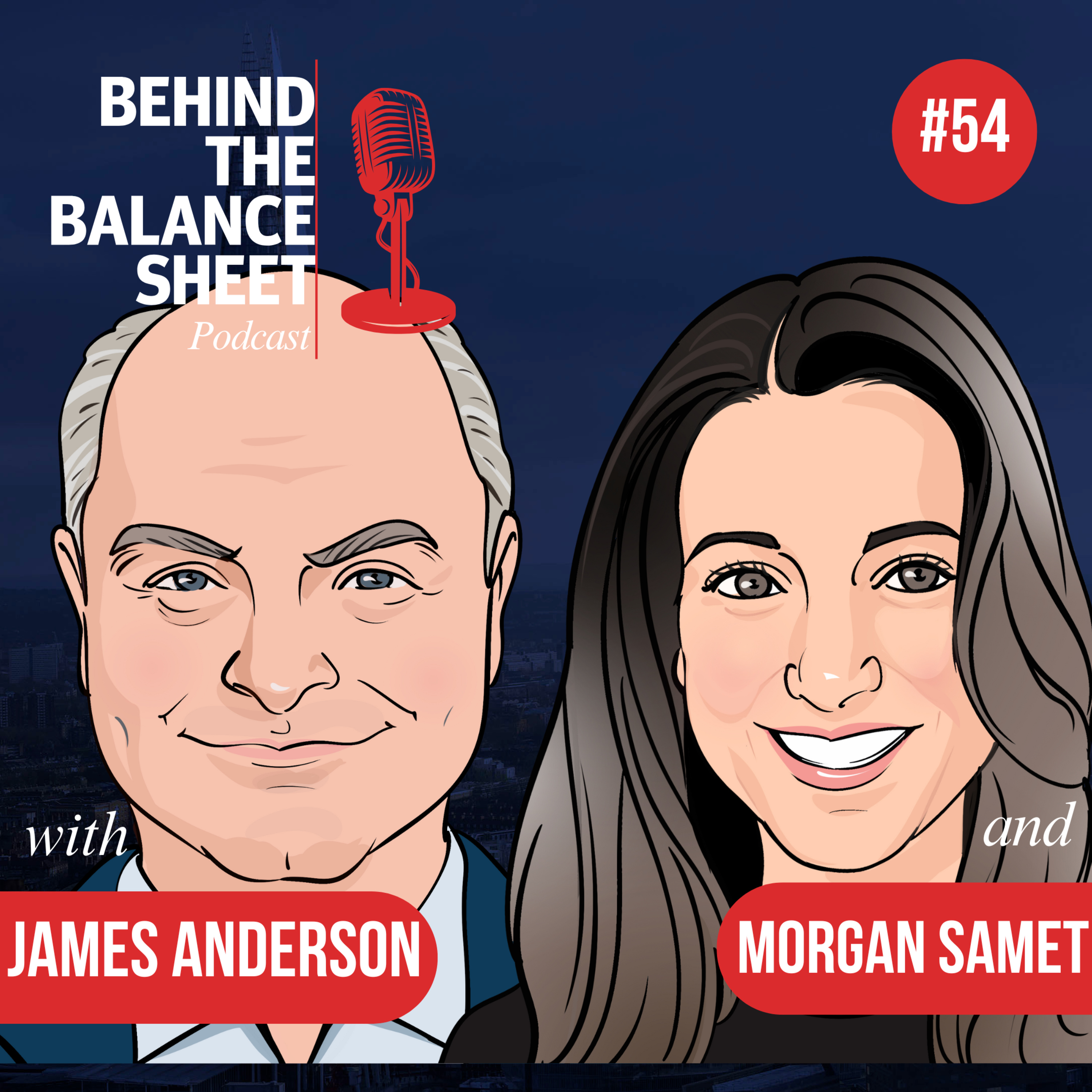
Legendary investor James Anderson views a globally distributed team with inherent communication friction as a benefit. This "grit in the system" prevents the team from getting sucked into reacting to daily market noise and helps them maintain focus on long-term, power-law returns.
Contrasting with Wall Street's hyperactive culture, Warren Buffett's famed stock picker Lou Simpson embodied a philosophy of extensive thinking and minimal action. His success came from deep reflection and a balanced life, not constant trading or information overload, proving that less activity can lead to better results.

Growing up in the Midwest instills humility and strong relationship-building skills, assets in venture capital. However, this can translate into a lack of aggression and pushiness, a potential handicap in the hyper-competitive Silicon Valley environment where it can lead to missed opportunities early on.

Success in investing relies on controlling emotional urges, like herd mentality, rather than high intelligence. Buffett's famous quote and his actions during the dot-com bubble illustrate that emotional discipline is the key differentiator for great investors.

Great investment outcomes often require weathering long periods of underperformance. The ability to remain patient, like holding a stock through five years of losses before it triples, is a critical skill. This long-term conviction, grounded in business fundamentals, is what separates successful investors from the rest.

Buffett's legendary wealth isn't just from being a smart investor, but from being a good investor for 80 years. The vast majority (99%) of his net worth was accumulated after age 60, highlighting the insane power of long-term compounding.

Living in the Bahamas, away from major financial centers, provides intellectual insulation that helps ensure investment research is driven by internal work rather than prevailing market narratives. This follows the path of investors like Sir John Templeton, who used distance to avoid groupthink and market noise.

Most investing environments encourage constant, often harmful, action. The speaker actively engineers an environment for inaction by eliminating visual stimuli like financial TV and filtering social media noise. This counteracts behavioral biases and promotes the patience required for long-term compounding.

Warren Buffett's early partner, Rick Gurren, was as skilled as Buffett and Munger but wanted to get rich faster. He used leverage, got wiped out in a market downturn, and missed decades of compounding. This illustrates that patience and temperament are more critical components of long-term success than raw investing intellect.
![[REPLAY] Morgan Housel – The Psychology of Money (Capital Allocators, EP.155) thumbnail](https://static.libsyn.com/p/assets/f/b/7/6/fb76e1c8bfb69e8dd959afa2a1bf1c87/CA_Square_logo_light_background_6.26.24.jpg)
Humans are psychologically wired for annual cycles, making multi-year patience extremely difficult and therefore scarce. However, the most powerful forces in investing—like compounding and valuation mean-reversion—only create significant outperformance over a decade, making patience a critical competitive advantage.