Get your free personalized podcast brief
We scan new podcasts and send you the top 5 insights daily.
Living in the Bahamas, away from major financial centers, provides intellectual insulation that helps ensure investment research is driven by internal work rather than prevailing market narratives. This follows the path of investors like Sir John Templeton, who used distance to avoid groupthink and market noise.

Related Insights
Legendary investor James Anderson views a globally distributed team with inherent communication friction as a benefit. This "grit in the system" prevents the team from getting sucked into reacting to daily market noise and helps them maintain focus on long-term, power-law returns.
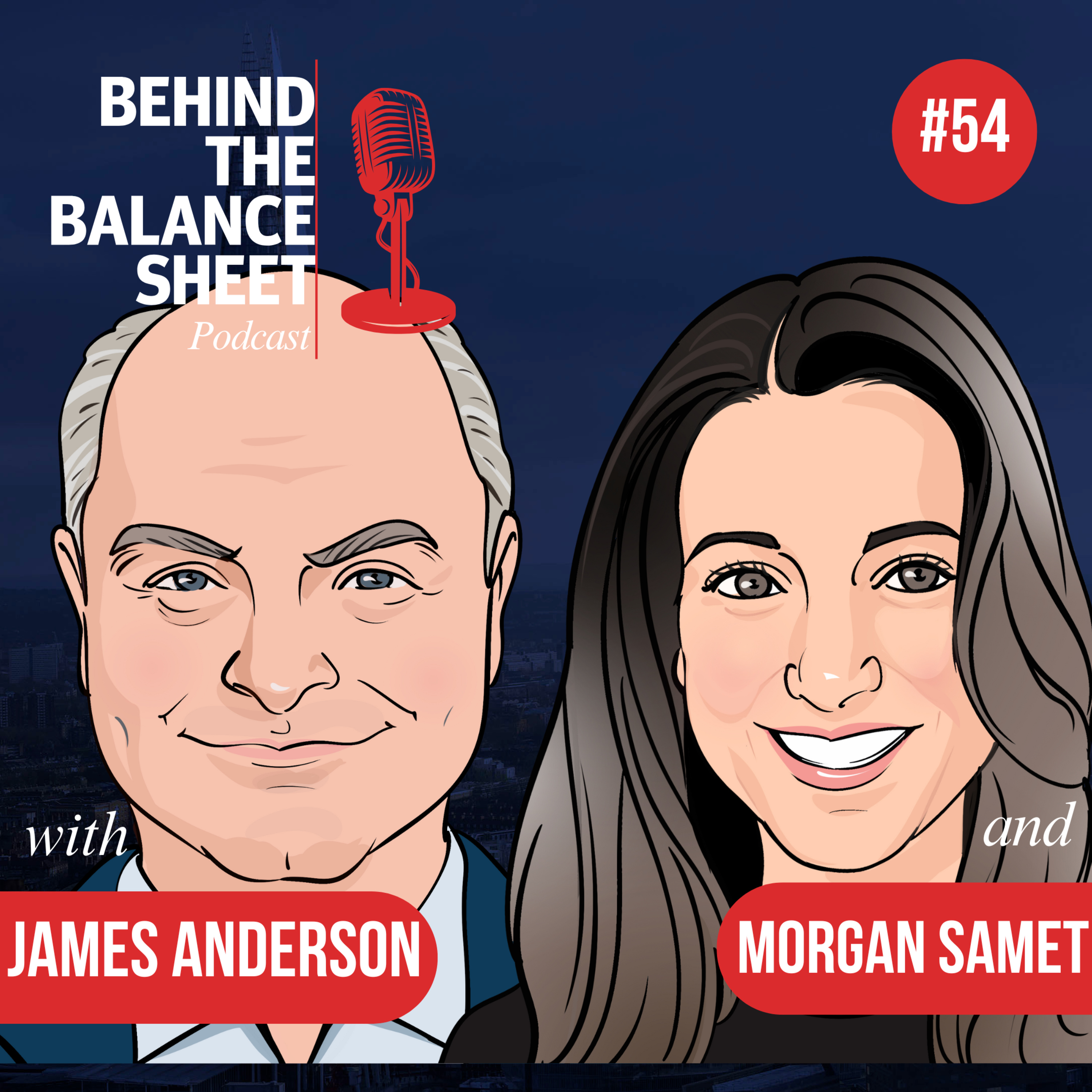
Instead of succumbing to the "Fear of Missing Out," top investors deliberately practice "Thoughtfully Missing Out." This means consciously deciding not to pursue trendy investments that fall outside their clearly defined circle of competence, which prevents costly mistakes.

Contrasting with Wall Street's hyperactive culture, Warren Buffett's famed stock picker Lou Simpson embodied a philosophy of extensive thinking and minimal action. His success came from deep reflection and a balanced life, not constant trading or information overload, proving that less activity can lead to better results.

High-net-worth individuals are pursuing New Zealand residency primarily to diversify assets outside a single jurisdiction and to secure a permanent "visa option" for their families. This strategic move is driven by advice from family offices, not by conspiracy theories about surviving a global catastrophe.

Before any investment strategy, the choice of location is paramount. A stable country with strong property rights and rule of law provides the fundamental framework for wealth to compound across generations. Without this, even the best strategy can fail due to confiscation or conflict.
Success in investing relies on controlling emotional urges, like herd mentality, rather than high intelligence. Buffett's famous quote and his actions during the dot-com bubble illustrate that emotional discipline is the key differentiator for great investors.

The speaker attributes his significant wealth increase to shifting focus from popular narratives to the underlying structural forces of economics. This systems-thinking approach allows for better risk assessment and identification of financial opportunities.
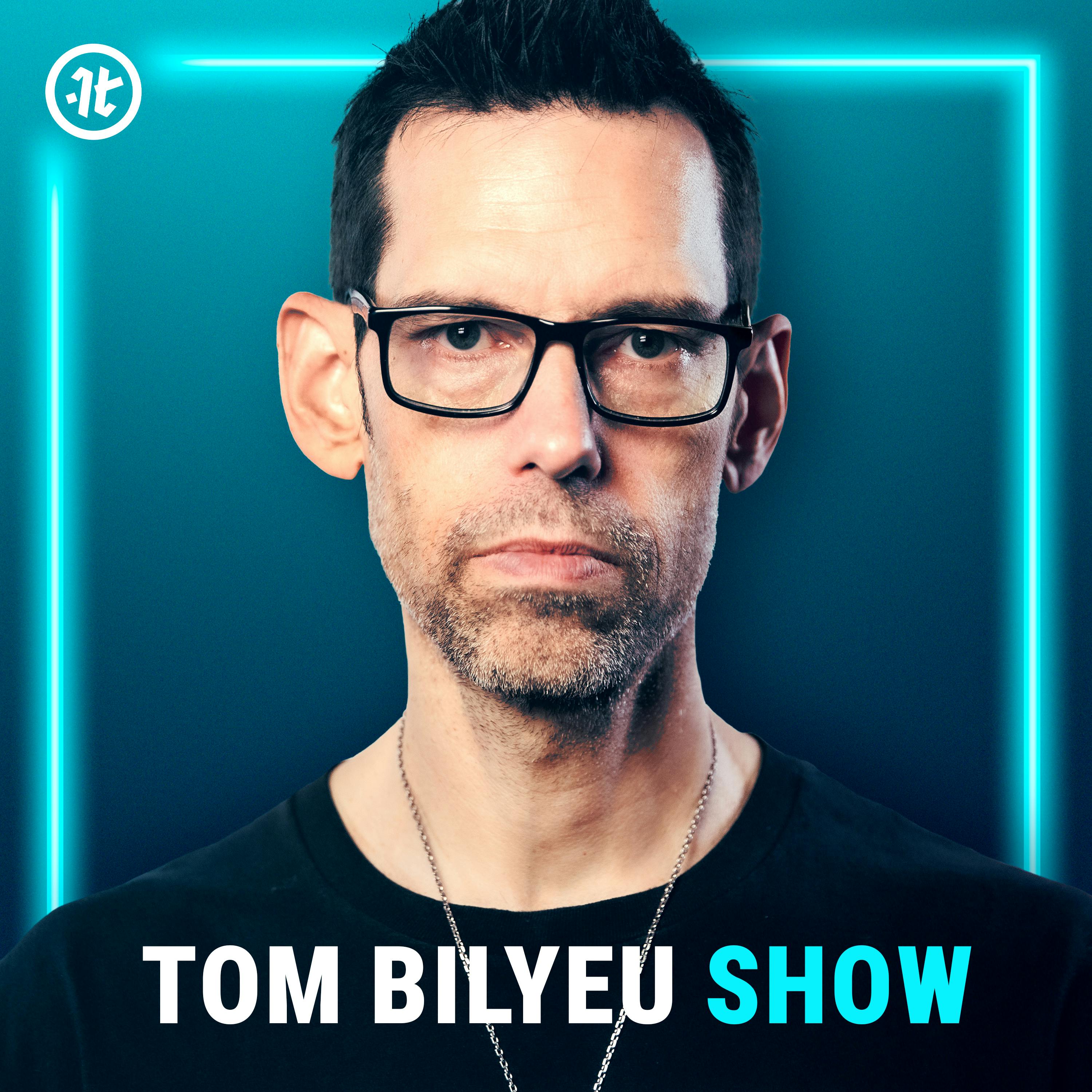
Most investing environments encourage constant, often harmful, action. The speaker actively engineers an environment for inaction by eliminating visual stimuli like financial TV and filtering social media noise. This counteracts behavioral biases and promotes the patience required for long-term compounding.

Moving to a location with a lower cost of living (geo-arbitrage) is more than a cost-saving tactic; it's a strategic lever to accelerate financial and lifestyle goals by a decade. This allows founders to extend their runway, free up capital for investments, and achieve their desired lifestyle much faster.

One speaker's best investment wasn't in stocks but in moving to a new city, simplifying his life, and being closer to family. This emotional investment yielded significant returns in happiness and well-being, highlighting that not all valuable investments are financial.
