Get your free personalized podcast brief
We scan new podcasts and send you the top 5 insights daily.
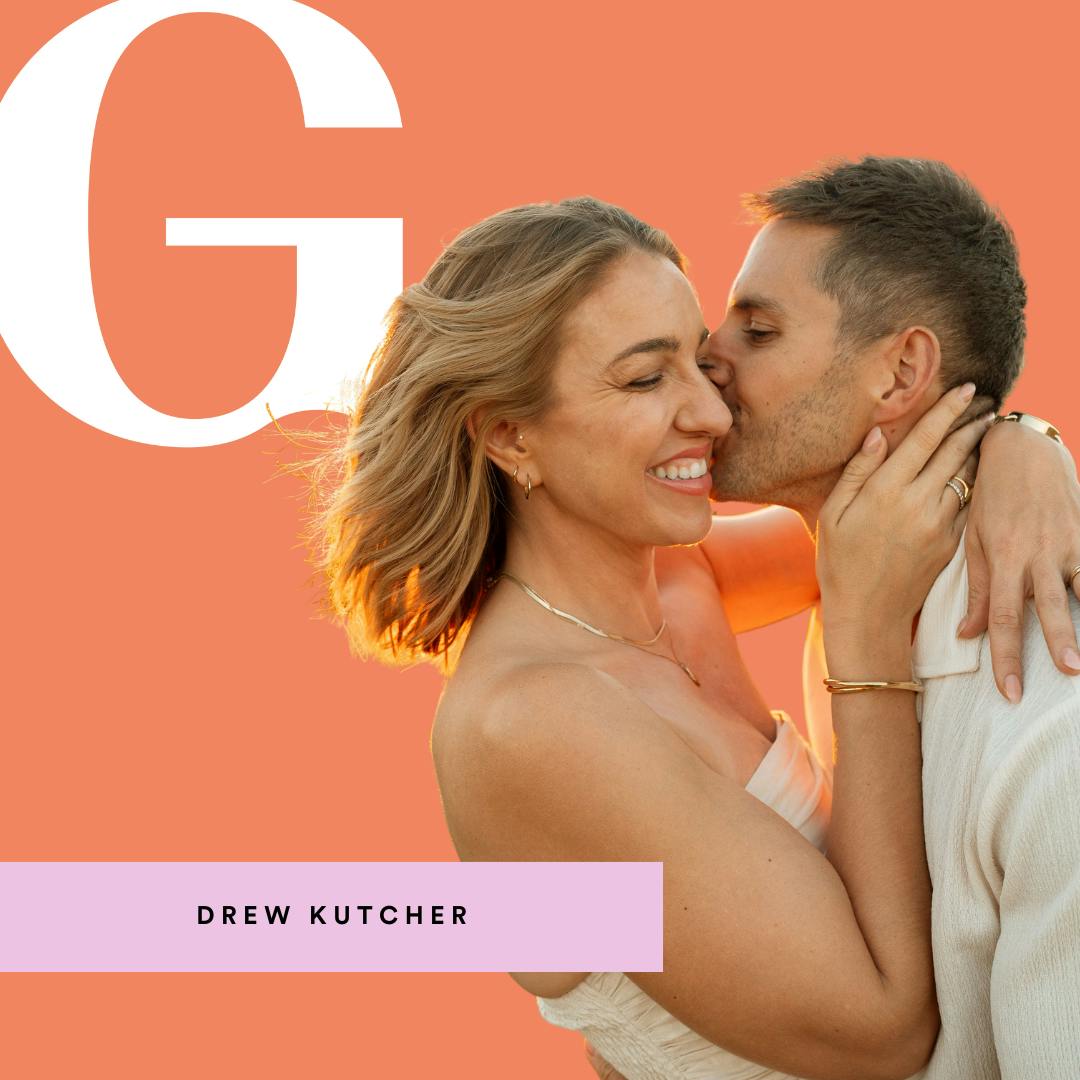
Emma Grede knew she would marry her husband the moment they met, despite them both being in other relationships. She is so attuned to her gut feeling that she would rather walk away from a major commitment than go against it, treating intuition as an unwavering guide.

Related Insights
A spouse often possesses a unique and powerful intuition about your life and business decisions. Dismissing their opinion is frequently a subconscious way to avoid a truth you don't want to hear. Their perspective can be a critical gut-check against poor choices.

Prioritize your intuition over pure logic in decision-making, treating your gut as your "primary brain." Following it and failing is better than ignoring it for someone else's logic and failing, as the latter creates profound self-doubt and regret.

Rubin views intuition as a higher form of intelligence than intellect. He attributes his longevity and success to consistently trusting his gut on major career turns, even when friends, family, and business partners offered seemingly rational advice that contradicted his intuitive knowing.

Many people discredit intuition because they follow an initial feeling (e.g., into a bad relationship) but then ignore the continuous "dings" telling them to get out. Intuition isn't a single signpost; it's a guide that requires constant listening.

The necessary training for intuition is not to improve it, but to learn to listen to it without second-guessing. People often override a valid fear signal because of social pressures, like not wanting to appear rude or prejudiced. The key is to trust the initial feeling and make a low-cost decision based on it, like waiting for the next elevator.

A strong gut feeling or intuition should be treated as a critical decision-making tool. For many entrepreneurs, this intuitive 'knowing' consistently leads to the right choices, even when it contradicts logical analysis, making it a superpower to be trusted and honed.
The process of following your intuition is more important than the outcome. It eliminates the anxiety from going against your gut, making even 'wrong' decisions feel right and leading to less regret.
The universe may "test" your commitment to intuition by offering an absurdly large incentive to ignore it. Saying no to a life-changing sum of money that feels wrong is a powerful act of choosing personal freedom over external validation.

Research shows intuition is trustworthy only when you have deep expertise in a predictable environment (e.g., a seasoned shopper spotting a fake handbag). For major life events like business ventures or marriage, where we are novices, gut feelings are unreliable guides and require more critical analysis rather than blind trust.

When faced with a choice, the path of least resistance often aligns with your old, reactive patterns. The path that feels a little scary is more likely to be your intuition guiding you toward growth because it lies outside your established comfort zone. Acting on this scary intuition immediately accelerates personal change.