Get your free personalized podcast brief
We scan new podcasts and send you the top 5 insights daily.
A self-described non-engineer became a top human contributor to major projects like Vercel's agent-browser and Python. He achieved this by building automated systems with AI agents that find contribution opportunities, write code, and submit pull requests, often while he sleeps.

Related Insights
An experienced engineer built a new programming language, 'Roo', as a side project, which was only possible because AI agents handled tedious implementation. This allowed him to focus on high-level architecture and design, overcoming personal time constraints for a complex undertaking.
A significant trend enabled by AI agents is the blurring of roles, where non-engineers like Product Managers can directly initiate code changes. For small bug fixes, they can prompt an agent via a chat interface, which then generates and submits a pull request, bypassing the traditional engineering backlog.

Ben Tossel, a non-technical person, codes from his phone by using a GitHub app to manage pull requests and a Telegram bot to trigger his AI agent to make fixes or add features. This creates a powerful mobile coding workflow, treating the AI like a remote human programmer.

The original architect of Hermes Agent, Technium, was able to build a world-class application without deep coding expertise by leveraging modern AI tools. This demonstrates that vision and drive can be more critical than traditional programming skills in the current AI landscape.
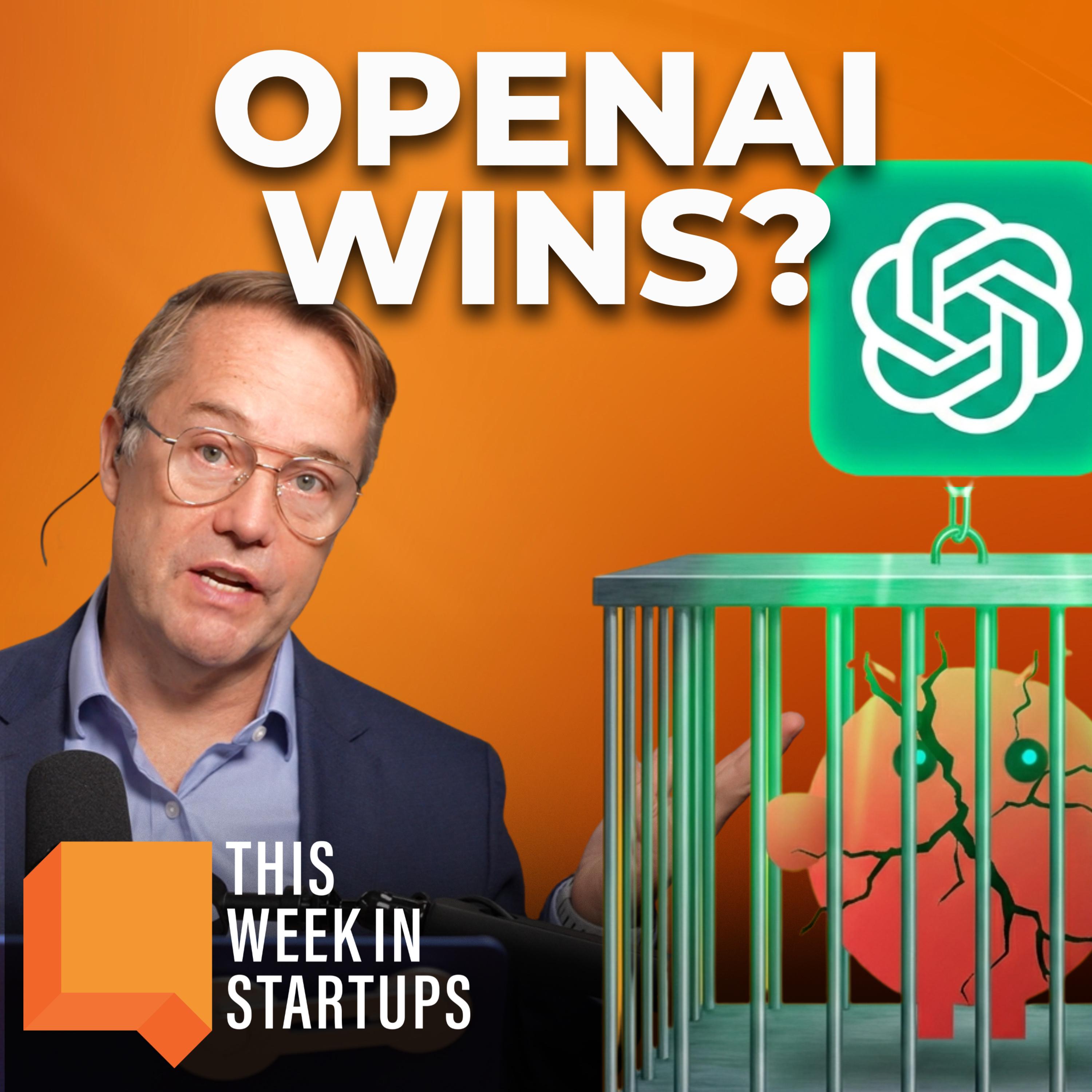
AI agents like OpenClaw dramatically lower the barrier to creating software. Founders with no prior coding experience can now build complex applications simply by issuing conversational commands, effectively making software development feel 'free' and accessible to anyone with an idea.
Technical executives who stopped coding due to time constraints and the cognitive overhead of modern frameworks are now actively contributing to their codebases again. AI agents handle the boilerplate and syntax, allowing them to focus on logic and product features, often working asynchronously between meetings.

AI acts as a massive force multiplier for software development. By using AI agents for coding and code review, with humans providing high-level direction and final approval, a two-person team can achieve the output of a much larger engineering organization.

A design agency professional with no coding experience used the Moltbot agent to build 25 internal web services simply by describing the problems. This signals a paradigm shift where non-technical users can create their own hyper-personalized software, bypassing traditional development cycles and SaaS subscriptions.
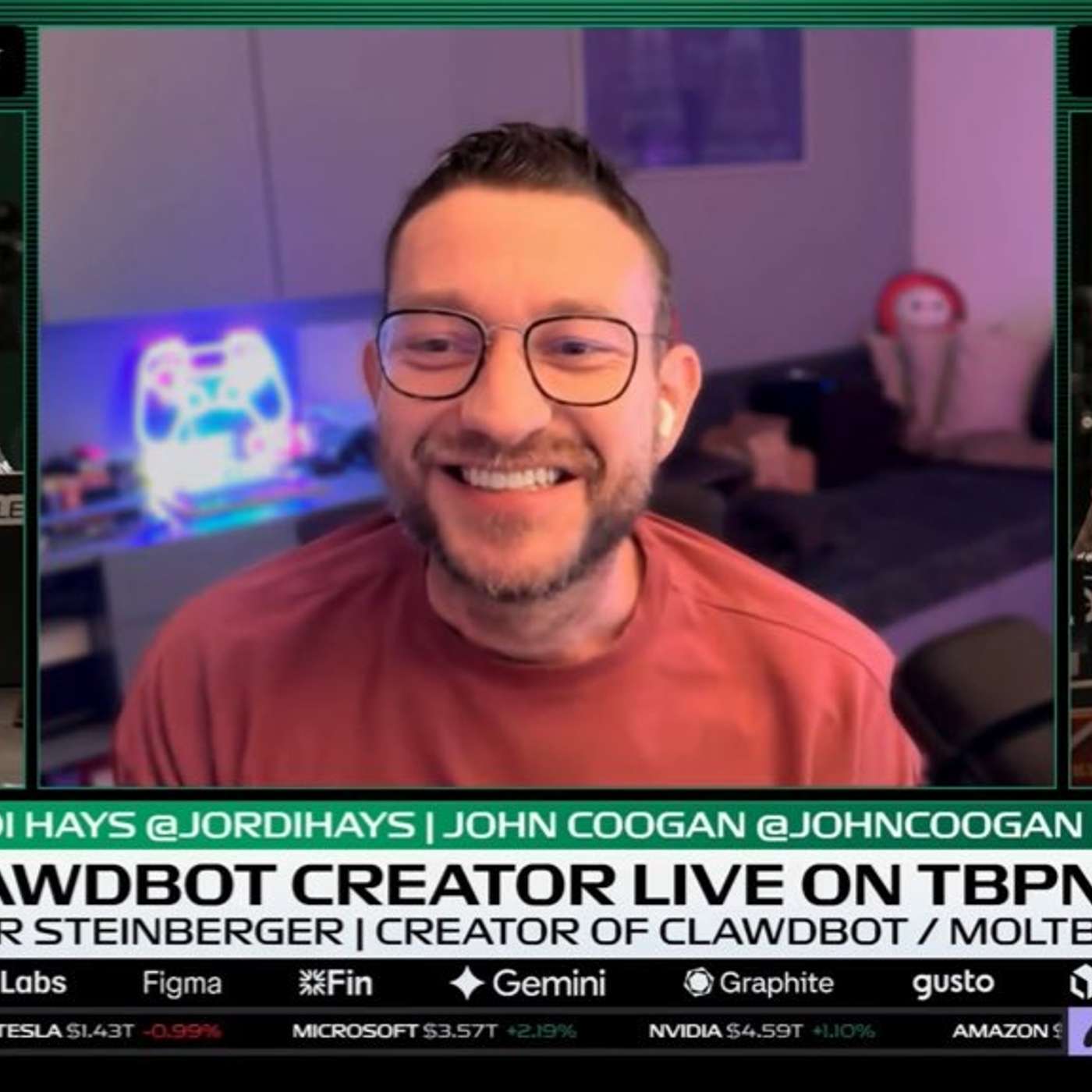
The creator of "Last 30 Days" is not a professional software engineer. He built the tool by using AI (Claude Code, ChatGPT) as his development partner, feeding it errors via screenshots and iterating on its suggestions. This workflow empowers non-technical individuals to create and ship valuable software.
The founder of Memelord, a non-coder, published a functional skill for the OpenClaw agent framework by simply asking the agent how to do it. The agent wrote and published the skill itself, demonstrating a new paradigm where anyone can create and distribute software tools without writing code.