Get your free personalized podcast brief
We scan new podcasts and send you the top 5 insights daily.
Founders are hesitant to trust AI with senior-level creative or strategic work. A more effective sales strategy is to brand AI agents as 'juniors' that handle menial, repetitive tasks. This framing clarifies their value proposition as non-threatening assistants, dramatically increasing the odds of adoption.

Related Insights
Shift your mindset from using AI as a tool for a specific function (e.g., a scheduler) to creating an AI agent as an employee who owns an entire outcome (e.g., 'run my marketing'). This changes the interaction from using software to delegating goals to an autonomous agent.
A copywriter initially feared AI would replace her. She then realized she could train AI agents to ensure brand consistency in all company communications—from sales to support. This transformed her role from a single contributor into a scaled brand governor with far greater impact.

Frame internal AI initiatives not as a way to replace employees, but to automate their chores. This frees them to move 'up the stack' to perform higher-value functions like client relations, creative strategy, and founder meetings, ultimately increasing overall output.
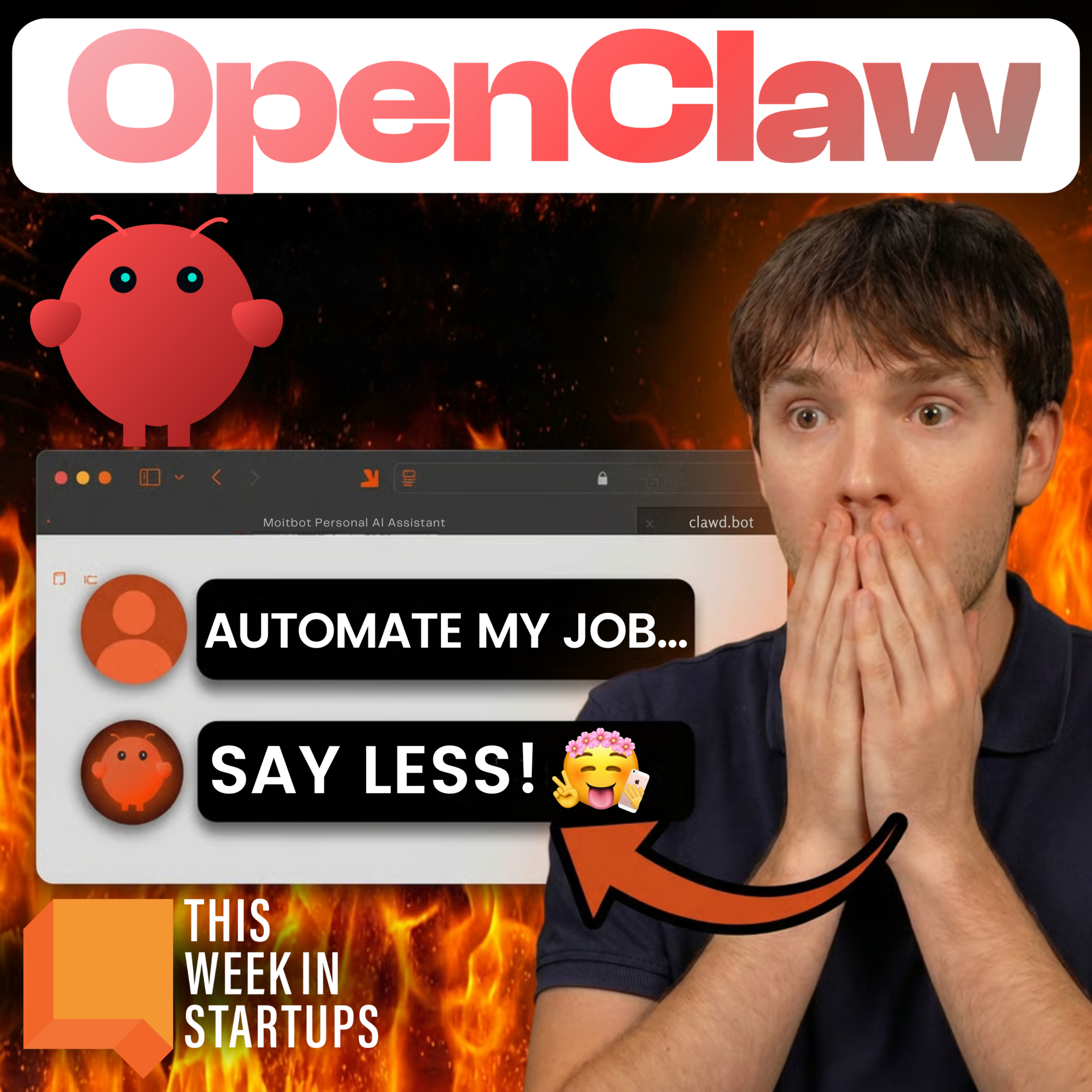
To overcome employee fear of AI, don't provide a general-purpose tool. Instead, identify the tasks your team dislikes most—like writing performance reviews—and demonstrate a specific AI workflow to solve that pain point. This approach frames AI as a helpful assistant rather than a replacement.
To drive team adoption of AI, Descript's CEO framed it as a tool to automate disliked tasks (e.g., project management, documentation) to free up time for high-value work like strategy and customer engagement. This positive framing reduces fear and increases buy-in by focusing on enhancement rather than replacement.

To win over skeptical team members, high-level mandates are ineffective. Instead, demonstrate AI's value by building a tool that solves a personal, tedious part of their job, such as automating a weekly report they despise. This tangible, personal benefit is the fastest path to adoption.

To achieve employee buy-in for AI, position it as a tool that eliminates mundane tasks no one would put on a resume, like processing Salesforce cases. This frames AI as a career accelerator that frees up time for strategic, high-impact work, rather than as a job replacement.

Cuban's metaphor frames AI agents as perfect for handling all the tedious, low-priority work that often gets postponed. This practical application moves beyond grand AI promises to immediate, tangible business value by tackling the work you never have time for.

Rather than pushing for broad AI adoption, encourage hesitant individuals to identify one task they truly dislike (e.g., expenses). Applying AI to solve this specific, mundane problem demonstrates value without requiring a major shift in workflow, making adoption more palatable.

To gain organizational buy-in for AI, start by asking teams to document their most draining, repetitive daily tasks. Building agents to eliminate these specific pain points creates immediate value, generates enthusiasm, and builds internal champions for broader strategic initiatives, making it an approachable path to adoption.