Get your free personalized podcast brief
We scan new podcasts and send you the top 5 insights daily.
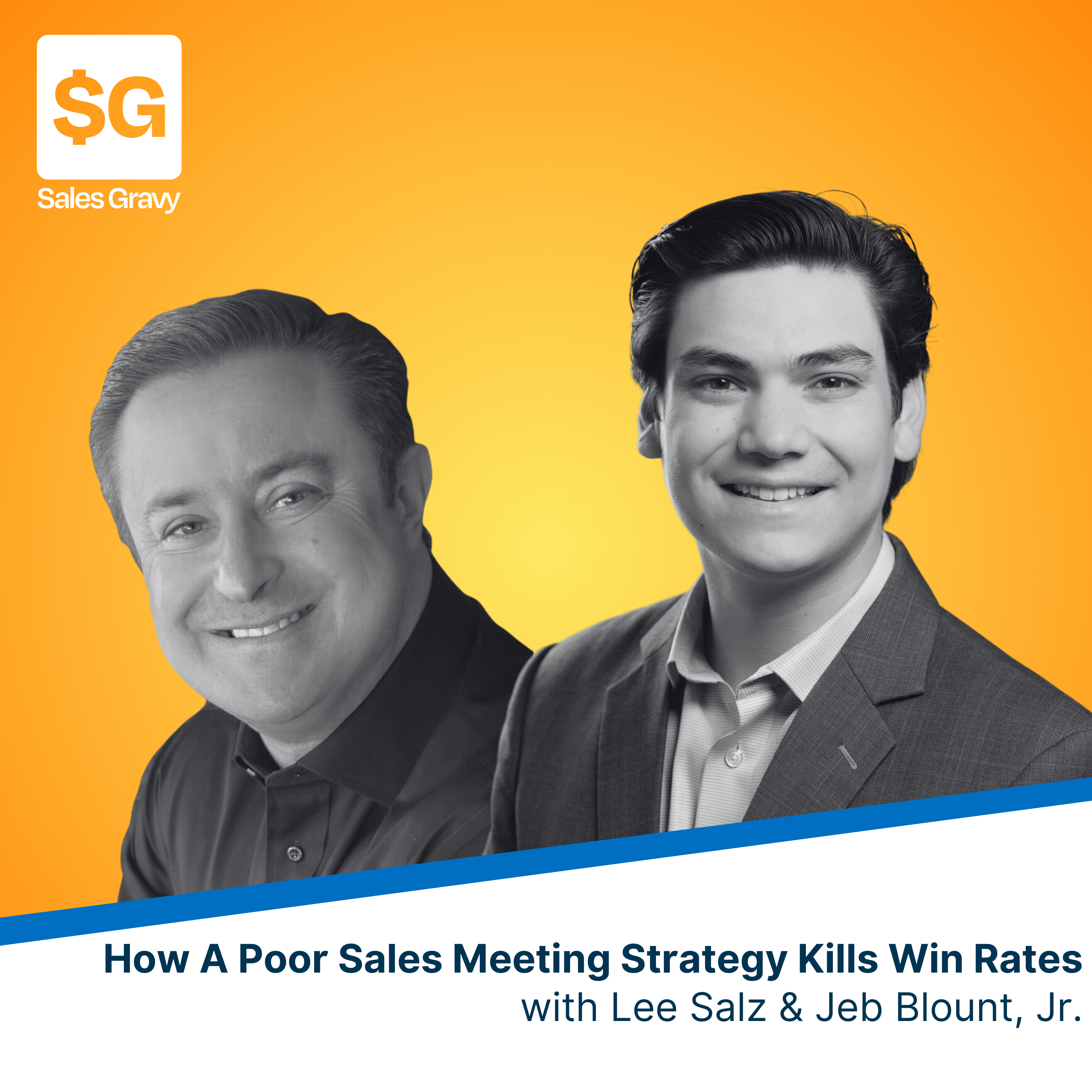
Mark Casaglo advises against process stages like "discovery call" or "demo call," which are seller-centric. Instead, structure the process around securing five key buyer agreements: problem agreement, solution agreement, power agreement, commercial agreement, and vendor approval. This reframes selling around buyer commitment rather than seller activity.

Related Insights
Author Lee Saos argues that 'discovery' is an egocentric sales term focused on the seller's needs. Re-framing the first meeting as a 'consultation' shifts the focus to providing immediate value and wisdom to the prospect, making them more willing to engage.
You can't skip a fundamental agreement stage, like getting problem buy-in before proposing a price. However, you can and should look for opportunities to achieve multiple agreements within a single meeting. This combines stages, condensing the sales cycle without missing crucial validation steps.
Many sales calls follow a rigid framework of questions without a clear goal. This leads to confusing customer responses ("demand hairball") and a premature, ineffective product demo. The focus is on pushing supply instead of truly understanding the customer's blocked demand.

Frame your sales stages around the decisions you need from a prospect (a 'get'), not the tasks you must complete (a 'do'). For example, the goal isn't 'do a demo,' it's 'get agreement that you're the vendor of choice.' This encourages creativity and efficiency, preventing unnecessary activities.
At the end of a call, ask to briefly review the 3-5 core problems discussed. This crystallizes the conversation and reminds the prospect of the seriousness of their issues right before you ask for a commitment. This makes them more likely to agree to a concrete next step because the value of solving their problem is top-of-mind.

If you've successfully established buyer pull in the first call, the selling is over. Your role then shifts from salesperson to project manager. Your job is to help the buyer navigate their internal hurdles (procurement, security, etc.) to get the deal done, not to keep convincing them.
Securing executive buy-in is its own sales stage, distinct from champion agreement. Don't just repeat the demo for the boss. Use executive-level tactics like reference calls with their peers, exec-to-exec meetings to build relationships, or roadmap presentations to sell the long-term vision and partnership.
Prospects often express interest to gather information but lack a commitment to solve the problem. Sellers must differentiate by probing for concrete timelines and stakeholder involvement to avoid chasing deals that won't close, rather than hoping to convert interest into commitment on the call.
Don't measure deal progress by the number of meetings held. Instead, define specific exit criteria for each sales stage. A deal only moves forward when the prospect meets these criteria, which can happen with or without a live meeting. This reframes velocity around outcomes, not activities.
Shift the first meeting's goal from gathering information ("discovery") to providing tangible value ("consultation"). Prospects agree to meetings when they expect to learn something useful for their role or company, just as patients expect insights from a doctor.