Get your free personalized podcast brief
We scan new podcasts and send you the top 5 insights daily.
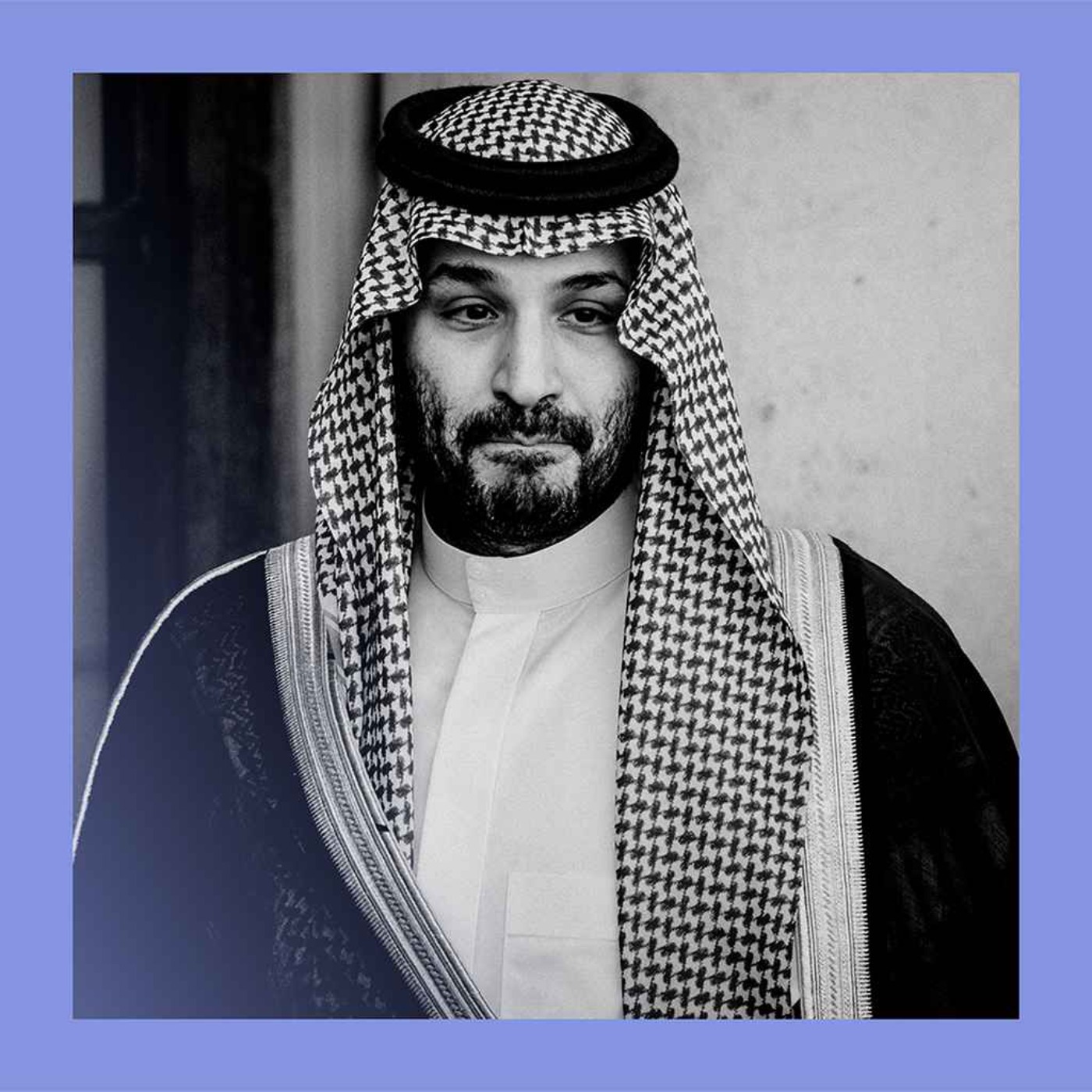
Greg Carlstrom pointed out that Saudi Arabia drew only $30 billion in foreign direct investment in 2025, falling far short of its $100 billion target. While Crown Prince Mohammed bin Salman succeeded in social liberalization like opening cinemas, fundamental structural changes remain elusive as the state remains an oil-dependent economy.
Related Insights
After its overt sports investments failed to improve its reputation, Saudi Arabia's sovereign wealth fund is now seeking soft power through strategic investments in media, AI, and gaming. This "power washing" strategy aims for subtle influence rather than direct PR.

Sovereign wealth funds from the Gulf are investing heavily in the gaming industry, which is larger than film and TV combined. This is a deliberate, long-term strategy to diversify their economies away from oil by acquiring valuable, globally-relevant intellectual property and capturing a new generation of consumers.
To fund its ambitious domestic projects and international equity investments, Saudi Arabia has shifted from being a major source of global capital to a net borrower. It borrowed $100 billion in the last year, becoming the largest borrower in the emerging world and a drain on global dollar liquidity.

Despite perceptions of limitless wealth, Saudi Arabia is facing a capital shortage for its $2 trillion Vision 2030 agenda due to high spending and lower oil revenue. The kingdom is now turning inward, seeking investment from its own wealthiest families and private businesses to fund its ambitious economic transformation.

While Saudi Arabia's oil extraction cost is famously low, its societal breakeven price is near $95 per barrel. This figure accounts for funding the entire state apparatus, including government welfare programs and the military. This reality means Saudi Arabia requires high prices, limiting its ability or desire to stabilize the market at lower levels.

The UAE is leaving OPEC not just over oil policy, but as part of a larger strategic divergence from Saudi Arabia. Accelerated by the Iran war, the UAE is aligning with the US/Israel and betting on a post-carbon, tech-focused economy, while Saudi Arabia doubles down on being the last major oil producer, aligning more with China.

By launching missile strikes at Riyadh's airport, the Houthis deliberately disrupt high-profile business gatherings like the World Petroleum Congress and Davos in the Desert. If ongoing air attacks shut down commercial flights and deter international delegates, the strikes risk unraveling the foreign investment necessary for Saudi Arabia's Vision 2030 agenda.

Gulf countries are all pursuing the same consultant-driven playbook to diversify from oil—targeting finance, tourism, logistics, and AI. This parallel approach creates redundancy and intense internal competition for the same markets, rather than fostering a complementary regional economy.
Greg Carlstrom observed that Saudi Arabia pledged huge investments to the United States and spent millions with Donald Trump's family. Despite these massive economic incentives, Riyadh discovered that Trump remains loyal to no one, leaving Saudi security and economic rebound subject to decisions made outside its control.
Contrary to assumptions of limitless capital, Saudi Arabia is experiencing a liquidity crunch for its ambitious $2 trillion Vision 2030 agenda. This has forced the kingdom to turn to its wealthiest families for investment, signaling a major shift in its funding strategy and creating new opportunities for private credit and wealth managers in the region.