Get your free personalized podcast brief
We scan new podcasts and send you the top 5 insights daily.
Contrary to assumptions of limitless capital, Saudi Arabia is experiencing a liquidity crunch for its ambitious $2 trillion Vision 2030 agenda. This has forced the kingdom to turn to its wealthiest families for investment, signaling a major shift in its funding strategy and creating new opportunities for private credit and wealth managers in the region.

Related Insights
Sovereign wealth funds, particularly in the Middle East, view AI as a 30-50 year societal transformation, not just a short-term investment. Their deep pockets and long-term strategic commitment mean they would likely step in to buy key chip stocks like NVIDIA at a discount during a market correction, effectively creating a floor under the market.

The primary growth drivers for private equity—sovereign wealth and private wealth channels—prefer concentrating capital in large, brand-name firms. This capital shift starves middle-market players of new funds, leading to a likely industry contraction where many may have unknowingly raised their last fund.

The term 'private equity' is now insufficient. The M&A market's capital base has expanded to include sovereign wealth funds and large, tech-generated family offices that invest directly or co-invest like traditional PE firms. This diversification creates a larger, more resilient pool of capital for deals.

Leading sovereign funds like Saudi Arabia's PIF and New Mexico's SIC are evolving beyond generating returns. They are now the primary policy tools for ambitious national goals, such as transitioning to a net-zero economy or funding universal childcare, directly tying investment success to tangible societal outcomes.
OpenAI's pursuit of Middle Eastern sovereign wealth funds is described as reaching the 'final boss' of fundraising. This move suggests traditional venture and corporate capital sources may be fatigued or insufficient for the massive capital required, signaling a limit to the private fundraising runway.

Beyond the US and China, Saudi Arabia is positioned to become the third-largest AI infrastructure country. The national strategy leverages its abundance of land and power not just for oil exports, but to lead the world in "energy exports via tokens," effectively selling compute power globally.
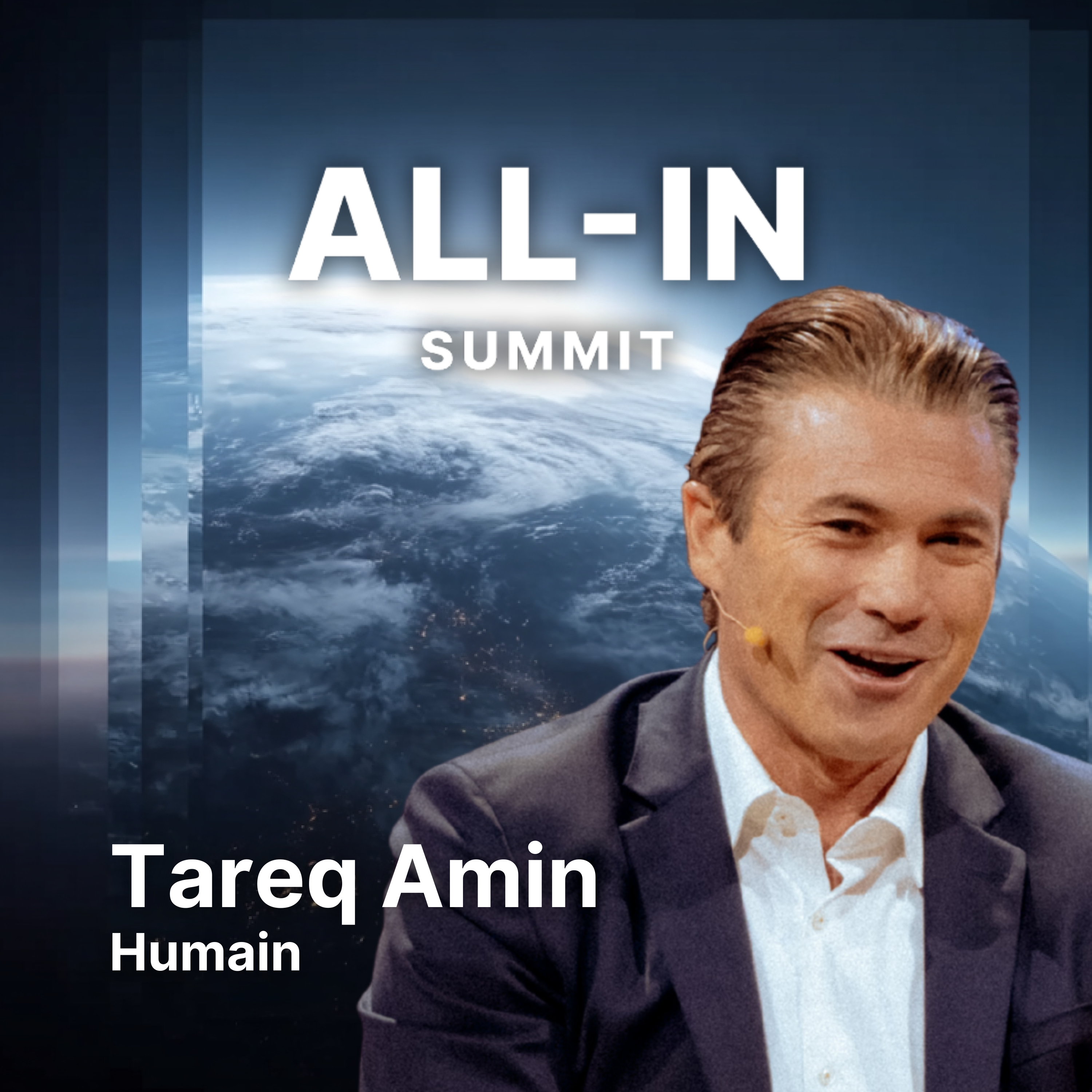
Humane was founded after its CEO discovered it took oil giant Aramco nine months just to procure and deploy AI infrastructure. This massive delay, even for a well-resourced company, highlighted the foundational opportunity to build a national AI champion and regional digital hub for the Middle East.
Corporations are increasingly shifting from asset-heavy to capital-light models, often through complex transactions like sale-leasebacks. This strategic trend creates bespoke financing needs that are better served by the flexible solutions of private credit providers than by rigid public markets.

Faced with a US market fixated on AI, CellSci is seeking approval and funding in Saudi Arabia. The nation's "Vision 2030" plan to become a global biotech hub creates opportunities for innovative companies to gain access to capital and a more favorable regulatory environment.

Regional stability is an economic necessity for oil-rich nations. Peace allows them to accelerate monetization of their finite oil reserves and reinvest the capital into diversified, future-proof economies like AI and tourism before alternative energy devalues their primary asset.