Get your free personalized podcast brief
We scan new podcasts and send you the top 5 insights daily.
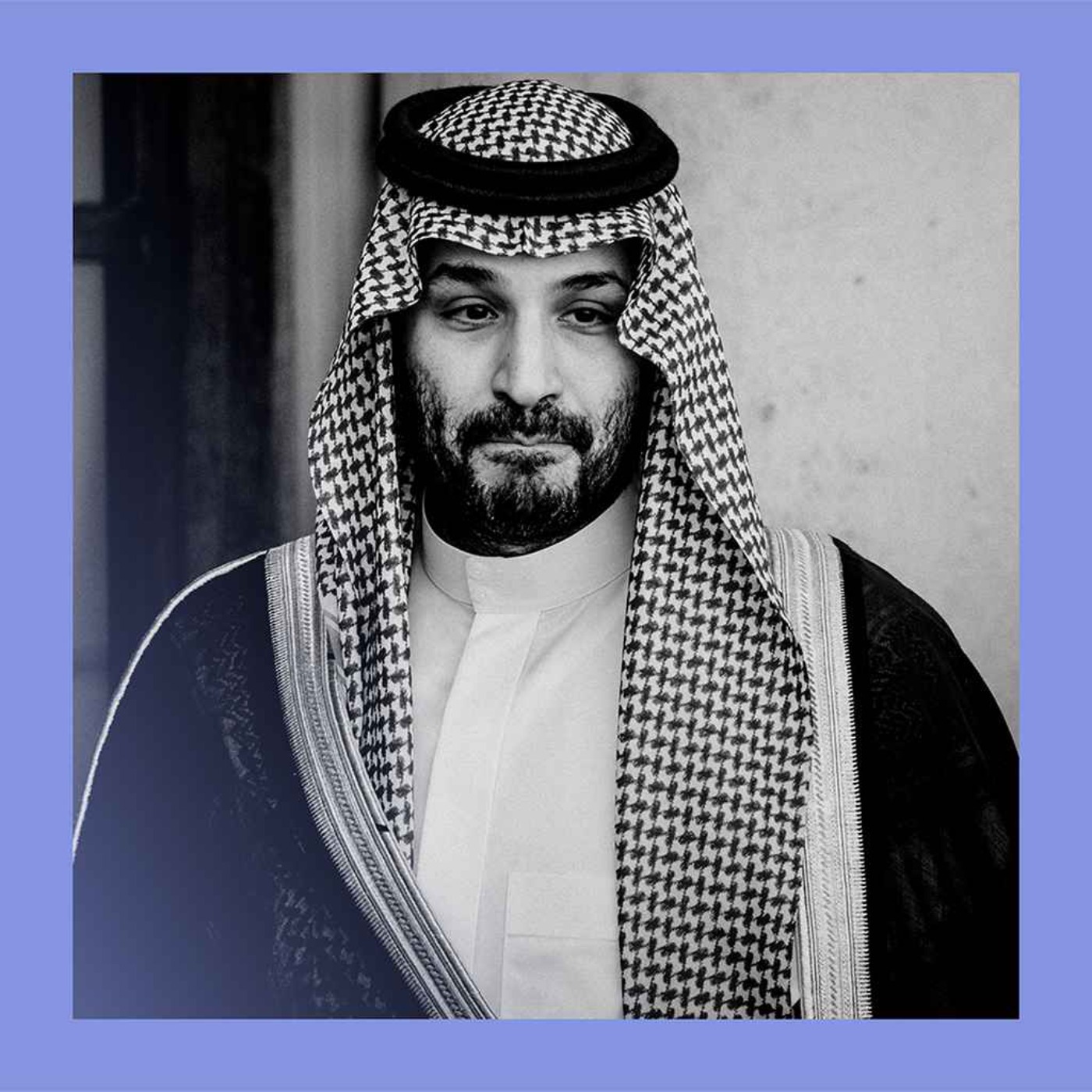
Greg Carlstrom observed that Saudi Arabia pledged huge investments to the United States and spent millions with Donald Trump's family. Despite these massive economic incentives, Riyadh discovered that Trump remains loyal to no one, leaving Saudi security and economic rebound subject to decisions made outside its control.
Related Insights
The Trump administration reveals that governance is less about ideology and more about high-stakes transactions. Success in politics, much like a game of 'money chess,' comes from identifying and trading for what each party desires—be it money, oil, or influence. This transactional nature of power is far more pervasive than many believe.

Analyzing the Trump administration requires understanding the individual motives of figures like Marco Rubio, not a unified state policy. Trump's foreign relations are based on personal chemistry with leaders like Milei or Bukele, creating a non-transferable, unpredictable policy that lacks long-term strategic direction for future presidents.

Unlike predecessors who framed foreign policy within a broader worldview (e.g., democracy promotion), Trump's approach is purely transactional and theatrical. It lacks a moral or ideological justification, instead focusing on demanding tribute, like oil from Venezuela, to appeal to a nationalist base without building a durable governing coalition.
Publicly forcing allies into a subservient position, a tactic from Trump's real estate career, creates deep resentment. This gives them every incentive to find ways to backstab or move away from the U.S. alliance, undermining long-term strategic goals.

Despite extensive lobbying, massive investments, and oil production increases aimed at pleasing the Trump administration, Gulf leaders failed to prevent a regional war. Their efforts were ultimately overridden by US prioritization of Israeli security interests, a major strategic miscalculation for the Gulf.
General Jack Keane's analysis reveals that key US allies like Saudi Arabia are now actively discouraging US military strikes on Iran. They fear damage to their oil infrastructure more than Iranian aggression, signaling a shift where allies are no longer willing to bear the costs of US foreign policy, thus weakening American leverage.
The host critiques Trump's approach to foreign policy by comparing it to an emotionally driven business leader. Acting tough in the moment provides short-term satisfaction but strategically undermines long-term goals by alienating allies whose help will eventually be needed.
Contrary to the belief that Gulf states always wanted a hardline US policy on Iran, their perspective shifted after 2019. When Iran attacked Saudi and UAE assets and the Trump administration failed to respond, they realized the US was an unreliable defender. This prompted them to make their own peace with Iran, a policy directly undermined by the recent US-led war.
The main driver for US action against Iran is to stabilize the Gulf region to secure over $2 trillion in investment deals with Saudi Arabia, Qatar, and the UAE. These deals are the centerpiece of Trump's economic agenda, making the threat from Iran an existential economic one.
Anne Applebaum highlights a disturbing shift where high-stakes foreign policy, like the Ukraine peace plan, is conducted by businesspeople seeking personal financial gain. This mirrors the kleptocratic systems of autocratic states, prioritizing private profit over national or allied interests, and raises questions about who American foreign policy truly serves.
