Get your free personalized podcast brief
We scan new podcasts and send you the top 5 insights daily.
Position AI not as a cost-cutting tool but as the key to unlocking capacity for long-desired strategic projects. This framing increases team buy-in by focusing on expansion and agility, reduces fear of replacement, and makes the work more engaging.

Related Insights
The rise of AI doesn't change your team's fundamental goals. Leaders should demystify AI by positioning it as just another powerful tool, similar to past technological shifts. The core work remains the same; AI just helps you do it better and faster.

Frame internal AI initiatives not as a way to replace employees, but to automate their chores. This frees them to move 'up the stack' to perform higher-value functions like client relations, creative strategy, and founder meetings, ultimately increasing overall output.
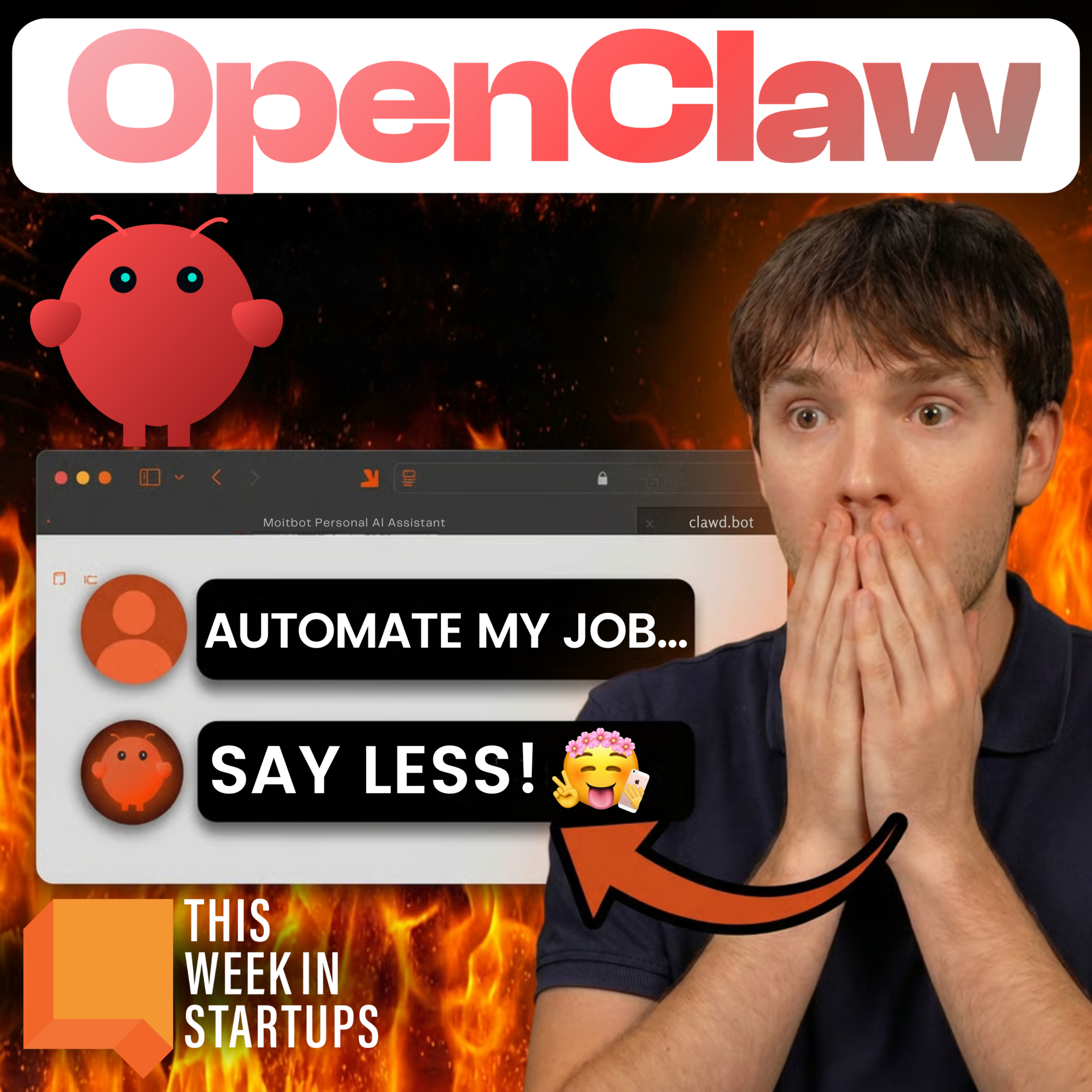
To overcome employee fear of AI, don't provide a general-purpose tool. Instead, identify the tasks your team dislikes most—like writing performance reviews—and demonstrate a specific AI workflow to solve that pain point. This approach frames AI as a helpful assistant rather than a replacement.

To get employees on board with AI, leaders must communicate a vision that focuses on augmentation, not replacement. However, this vision must be backed by tangible actions: mandating proficiency, visibly promoting AI adopters, and linking AI usage to compensation and rewards to drive real behavior change.

To combat employee fear of replacement, frame AI automation as a path to promotion. By automating their current IC-level tasks, employees free themselves to operate at the next level, effectively managing their new 'AI direct report' and taking on more strategic work.

When transitioning Box to be "AI first," CEO Aaron Levie explicitly communicated that the goal was not to reduce headcount or cut costs. Instead, he framed AI as a tool to increase company output, speed, and customer service, which successfully aligned employees with the new strategy by removing fear.
Teams embrace AI more quickly when it enables them to perform entirely new tasks they couldn't do before, like coding or advanced data analysis. This is more motivating than using AI for incremental improvements on existing workflows, which can feel less exciting and impactful.

To drive team adoption of AI, Descript's CEO framed it as a tool to automate disliked tasks (e.g., project management, documentation) to free up time for high-value work like strategy and customer engagement. This positive framing reduces fear and increases buy-in by focusing on enhancement rather than replacement.

To achieve employee buy-in for AI, position it as a tool that eliminates mundane tasks no one would put on a resume, like processing Salesforce cases. This frames AI as a career accelerator that frees up time for strategic, high-impact work, rather than as a job replacement.

To gain organizational buy-in for AI, start by asking teams to document their most draining, repetitive daily tasks. Building agents to eliminate these specific pain points creates immediate value, generates enthusiasm, and builds internal champions for broader strategic initiatives, making it an approachable path to adoption.