Get your free personalized podcast brief
We scan new podcasts and send you the top 5 insights daily.
Tim Ferriss borrows a CPG investor's founder question: if this project or relationship fails in two years, what are the most likely reasons? He says friends default to encouragement, so you must paint them into a corner. The answer surfaces doubts they would otherwise withhold.

Related Insights
A pre-mortem asks a team to imagine their project has already failed spectacularly. By explaining the hypothetical failure, they uncover potential risks and can build mitigation strategies, effectively using the power of hindsight bias in advance.

Instead of asking for validation, which often elicits polite but useless feedback, Eric Ryan gave his business plan to 20 smart people and tasked them with finding reasons for failure. This empowered them to be critical, revealing true weaknesses and blind spots in his concept before he quit his job.

A pre-mortem's effectiveness hinges on its framing. Instead of asking "what could go wrong?", you must state definitively, "The plan has failed." This "prospective hindsight" shifts participants from speculative critique to a forensic analysis of causes, revealing risks they wouldn't otherwise voice.

Assigning a team of uninvolved colleagues to act as a "red team" forces a contrarian perspective. Their job is to find flaws and articulate why a deal should not be done, which de-risks investments by identifying weaknesses before capital is committed and sharpens the whole team's thinking.

To combat confirmation bias, solo investors can form a "red team" of trusted peers. After doing 80% of the work, present the idea to this group, whose sole job is to criticize it and expose blind spots, avoiding the social costs or conflicts of interest of an internal analyst.

To avoid confirmation bias, the Therabody team uses a "whiteboard challenge." Before discussing the positives of a new product, the entire room must first generate a comprehensive list of all the reasons they shouldn't pursue it. This structured pessimism leads to better product decisions.

Before starting a project, ask the team to imagine it has failed and write a story explaining why. This exercise in 'time travel' bypasses optimism bias and surfaces critical operational risks, resource gaps, and flawed assumptions that would otherwise be missed until it's too late.

Founders naturally risk drinking their own Kool-Aid by surrounding themselves with agreeable peers. Actively seeking harsh critics and skeptical investors surfaces hidden gaps, revealing whether a technical vulnerability is a fatal flaw or an experiment that can de-risk the program.

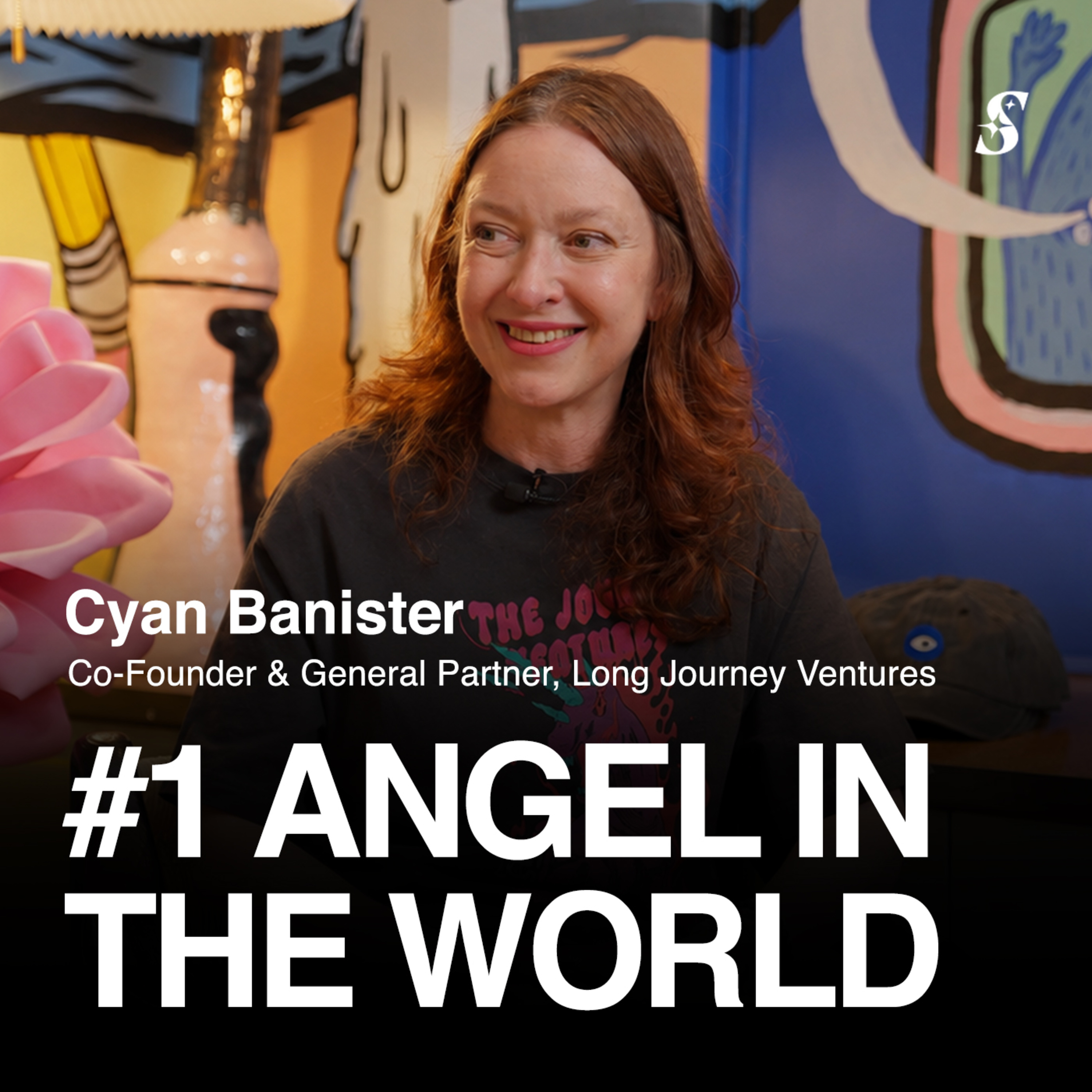
Borrowing from Peter Thiel, Cyan Banister prioritizes asking what worries someone over what excites them. This question cuts through performative optimism and reveals deeper strategic thinking, potential risks, and a founder's self-awareness.
To fight overconfidence before a big decision, conduct a "premortem." Imagine the investment has already failed spectacularly and work backward to list all the plausible reasons for its failure. This exercise forces engagement of your analytical "System 2" brain, revealing risks your optimistic side would ignore.
