Get your free personalized podcast brief
We scan new podcasts and send you the top 5 insights daily.
Reid Hoffman clarifies that high valuations don't automatically constitute a "bubble." The term should be reserved for scenarios where a market collapse poses a catastrophic risk to the broader financial system, not just for periods of market correction or when some investments fail.
Related Insights
A true bubble, like the dot-com crash, involves stock prices falling over 50% and staying depressed for years, with capital infusion dropping similarly. Short-term market corrections don't meet this historical definition. The current AI boom, despite frothiness, doesn't exhibit these signs yet.

A true market bubble isn't defined by high valuations but by collective psychology. The most dangerous bubbles form when skepticism disappears and everyone believes prices will rise indefinitely. Constant debate about a bubble indicates the market hasn't reached that state of universal conviction.

Widespread public debate about whether a market is in a bubble is evidence that it is not. A true financial bubble requires capitulation, where nearly everyone believes the high valuations are justified and the skepticism disappears. As long as there are many vocal doubters, the market has not reached the euphoric peak that precedes a crash.

The greatest systemic threat from the booming private credit market isn't excessive leverage but its heavy concentration in technology companies. A significant drop in tech enterprise value multiples could trigger a widespread event, as tech constitutes roughly half of private credit portfolios.

Unlike the 2008 crisis, which was concentrated in housing and banking, today's risk is an 'everything bubble.' A decade of cheap money has simultaneously inflated stocks, real estate, crypto, and even collectibles, meaning a collapse would be far broader and more contagious.

The most immediate systemic risk from AI may not be mass unemployment but an unsustainable financial market bubble. Sky-high valuations of AI-related companies pose a more significant short-term threat to economic stability than the still-developing impact of AI on the job market.

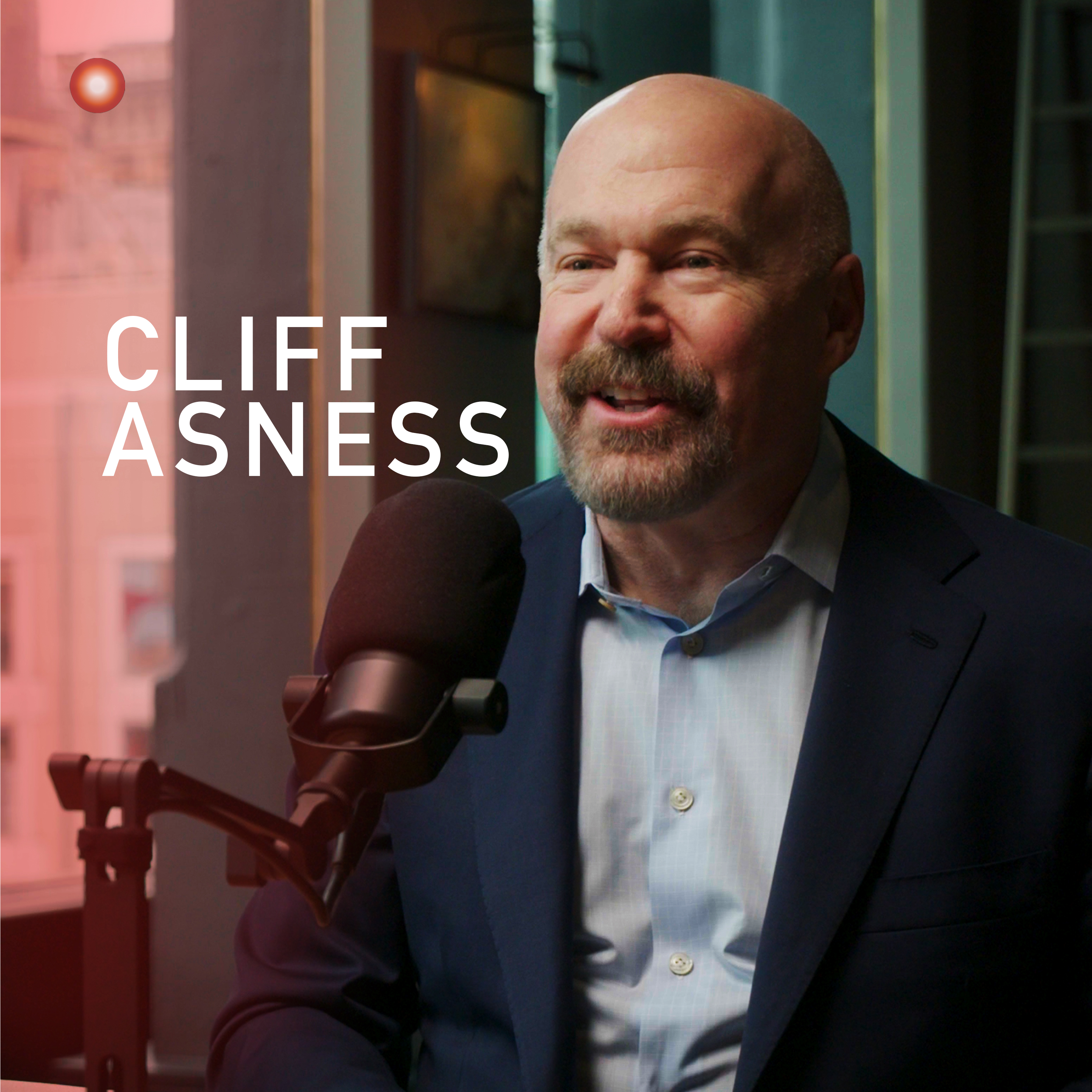
Asnes employs a strict framework before using the word "bubble." He will only apply the label after exhaustively attempting—and failing—to construct a set of assumptions, however improbable, that could justify observed market prices. This separates mere overvaluation from true speculative mania disconnected from reality.

Instead of a vague label, Cliff Asness uses a rigorous test for a bubble: can you make the math work? He takes a stock like Cisco in 2000, assumes unprecedented growth for a decade, and if the valuation *still* doesn't make sense, he considers it a bubble.
Howard Marks distinguishes between two bubble types. "Mean reversion" bubbles (e.g., subprime mortgages) create no lasting value. In contrast, "inflection bubbles" (e.g., railroads, internet, AI) fund the necessary, often money-losing, infrastructure that accelerates technological progress for society, even as they destroy investor wealth.

A market isn't in a bubble just because some assets are expensive. According to Cliff Asness, a true bubble requires two conditions: a large number of stocks are overvalued, and their prices cannot be justified under any reasonable financial model, eliminating plausible high-growth scenarios.