Get your free personalized podcast brief
We scan new podcasts and send you the top 5 insights daily.
Razor's founder advises against fighting strong consumer trends (e.g., canned cocktails), even if it feels like a compromise on quality. Entering a proven, popular market as a follower is often more successful than trying to create demand for a format that goes against the cultural grain.

Related Insights
While alcohol sales are declining, the NBA's passion for wine's complexity offers a lesson. Instead of simplifying products to chase mass-market trends like ready-to-drink cocktails, niche industries can thrive by leaning into their core differentiators—even if those differentiators are complex and less approachable.

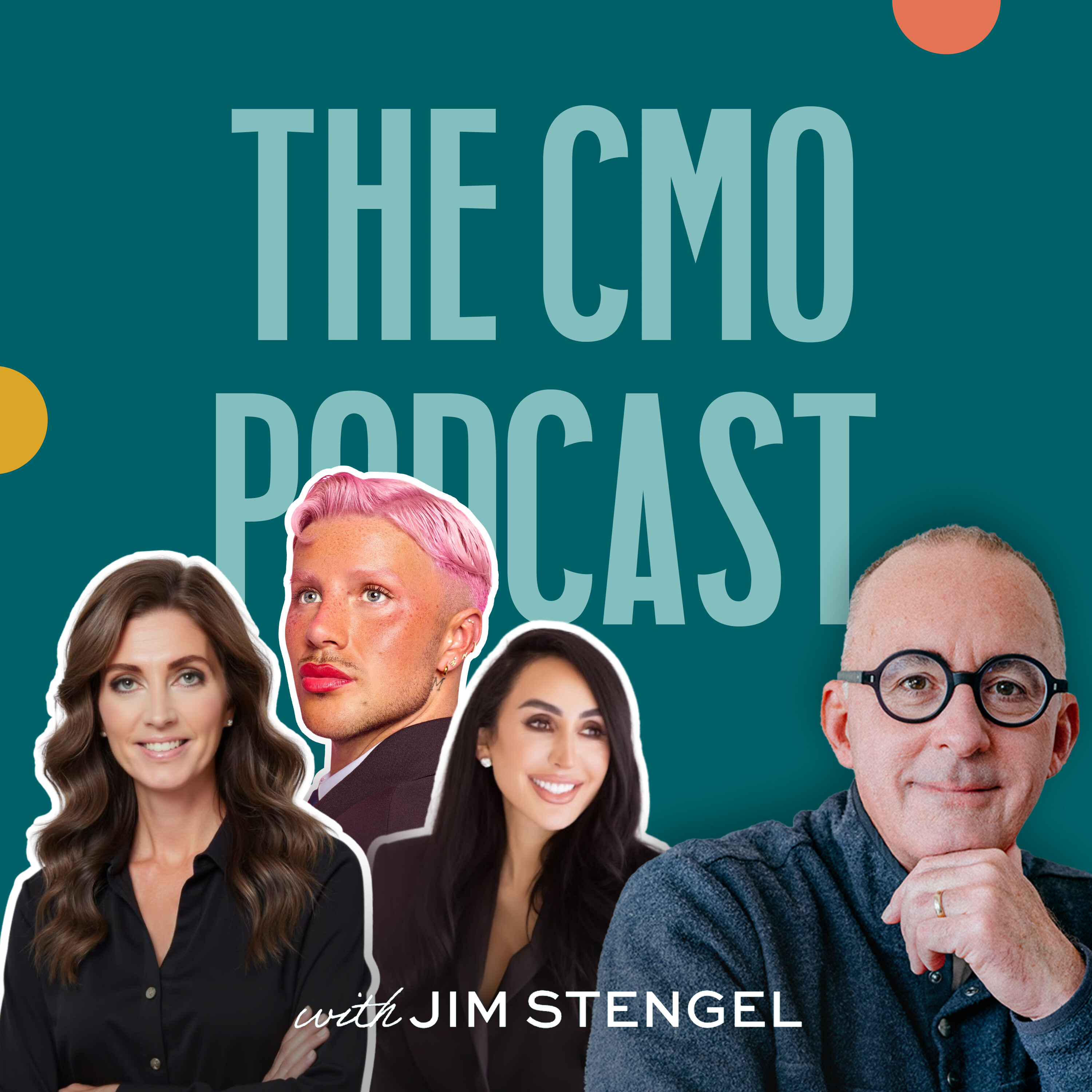
Mitchell Halliday advises against watering down a brand to appeal to the masses. He tried making his colorful, expressive brand more 'commercial' and found the identity disappeared without any real gain. He argues that sticking to a niche mission will eventually attract the right, loyal customers.
Gary Vaynerchuk and his friend built their early careers on a shared passion for baseball cards. When the market shifted to toys, Gary pivoted his entire business instantly, while his friend, unable to let go, quit. This illustrates the critical need to prioritize market viability over personal attachment to a product.

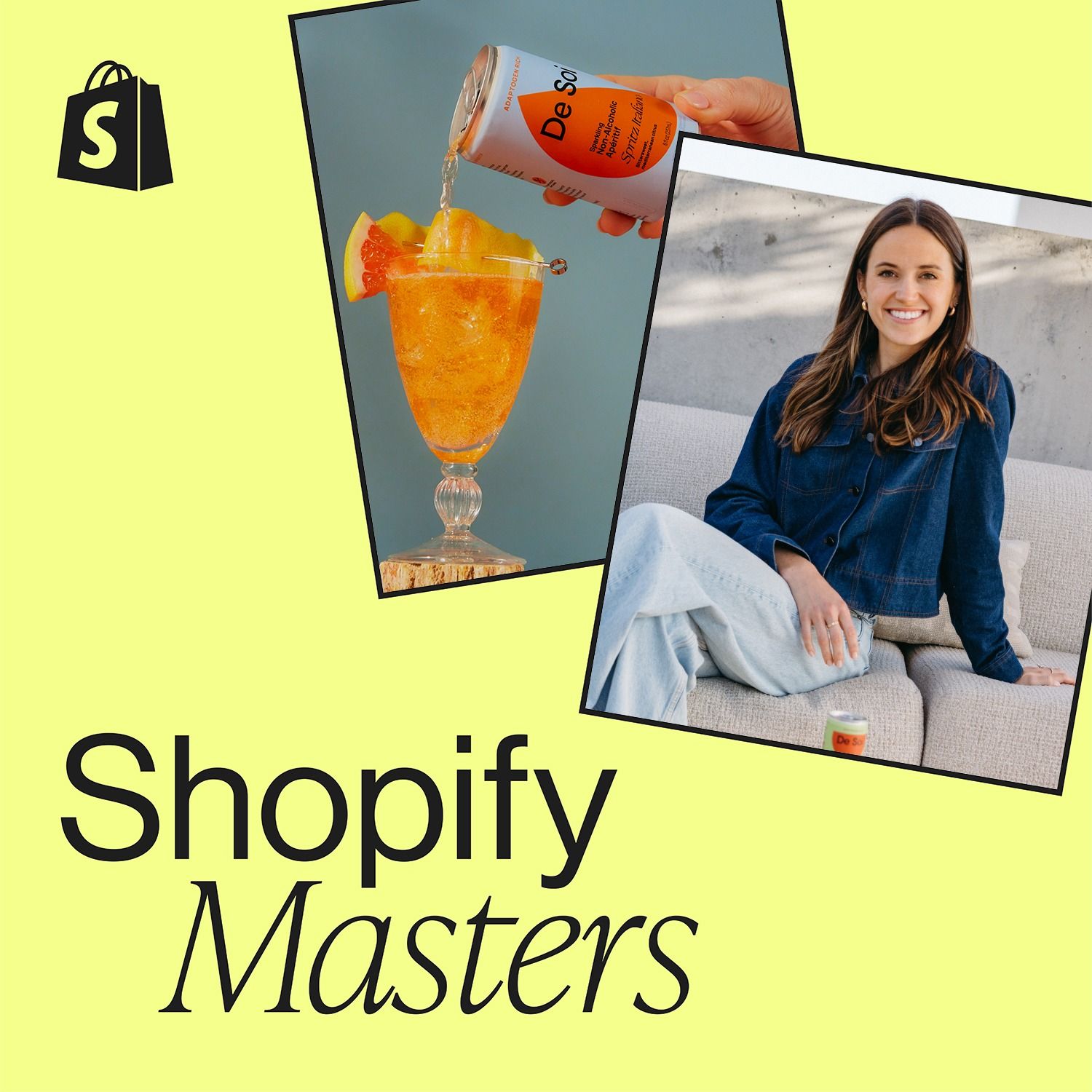
When De Soi launched, retailers and investors dismissed the non-alcoholic category. CEO Scout Brisson adopted a "not if, it's when" mindset, maintaining belief despite widespread skepticism. This conviction was essential for persevering until the market and major players like Target inevitably came around.
Instead of fearing beverage giants like Coca-Cola entering the functional soda space, Olipop's founder views it as a positive development. He sees their entry as an "honor" that provides massive validation for the category he created, proving its potential and longevity to the broader market.

True entrepreneurial opportunity exists where consensus is wrong. By the time a trend like AI or cloud computing is mainstream, it's too late to build a foundational company. Entrepreneurs must find ideas that are currently not well-liked or appreciated and see the gap between the popular view and the idea's actual potential.
Successful consumer businesses often start with ideas that seem strange or have a stigma (e.g., Airbnb, Uber, Instacart). A founder's key insight is seeing that this stigma will soon fade, turning their contrarian idea into a mainstream consensus one.

To create a successful new product, find the balance between what consumers already know and what is new. If a product is too familiar, it lacks differentiation. If it's too novel, it becomes foreign and difficult for consumers to adopt, creating a high barrier to entry.

The founders identified a mismatch between the modern, Gen Z pickle consumer on TikTok and the outdated, homogenous branding on store shelves. By targeting a neglected category with bold design and unique flavors, they faced less competition and stood out to both consumers and retail buyers.

Many firms claim differentiation, but it's just branding if it lacks sacrifice. True differentiation is demonstrated by purposefully avoiding a popular and profitable area because it violates your core principles. This consistency builds long-term trust that trend-chasing erodes.
![John Kim - How to Raise a Few Billion Dollars - [Invest Like the Best, EP.482] thumbnail](https://megaphone.imgix.net/podcasts/78e0a26e-7f00-11f1-b43d-f79b97e3a2f1/image/5948c7e5d07d7d7947673fcc8f67e552.jpg?ixlib=rails-4.3.1&max-w=3000&max-h=3000&fit=crop&auto=format,compress)