Get your free personalized podcast brief
We scan new podcasts and send you the top 5 insights daily.
AI agents can synthesize vast amounts of internal communication, like meeting transcripts, to give leaders unprecedented visibility into their organizations. This allows them to identify latent conflicts, understand ground truth, and make perfectly timed, high-context interventions.

Related Insights
A CEO overseeing 40 general managers replaced monthly operating reviews with 20-minute video updates. He feeds the transcripts into a custom AI agent trained on the company playbook to instantly identify key issues and revenue shortfalls. This transforms the review process from data gathering to rapid problem-solving.

GitHub's COO finds AI's greatest utility isn't generating new content, but performing retrospective analysis. Agents synthesize data from PRs, Slack, and meeting notes to summarize what worked and what didn't. This pattern recognition on past data is more valuable for strategic decision-making than simple content creation.
An organization's strategic thinking is often fragmented across Slack, meeting notes, and documents. An AI agent can be tasked to consume these disparate sources and synthesize them into a coherent plan, like a go-to-market strategy, achieving an 80-90% complete draft in minutes.

By granting an AI agent read-access to all company data streams—Slack, Notion, Google Docs, email—you can create a centralized oracle. This agent can answer any question about project status or client communication, instantly removing communication friction and breaking down departmental silos.
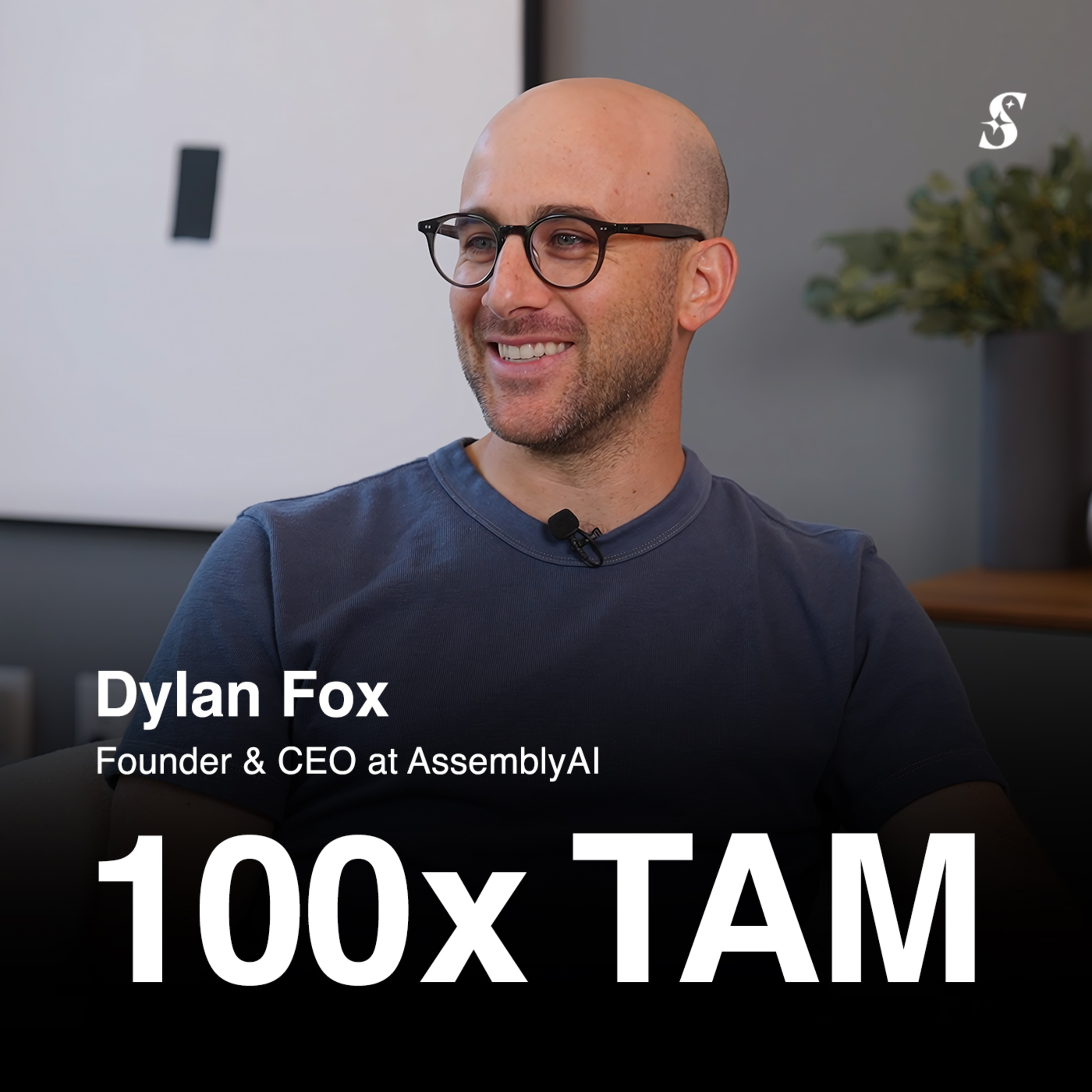
At truly AI-native companies, AI is not just for engineering. AssemblyAI's CEO built a personal agent named "Dylan Claw" that accesses his meeting notes and transcripts to automatically create and revise slide decks. This deep, personalized integration allows for extreme operational leverage and speed.
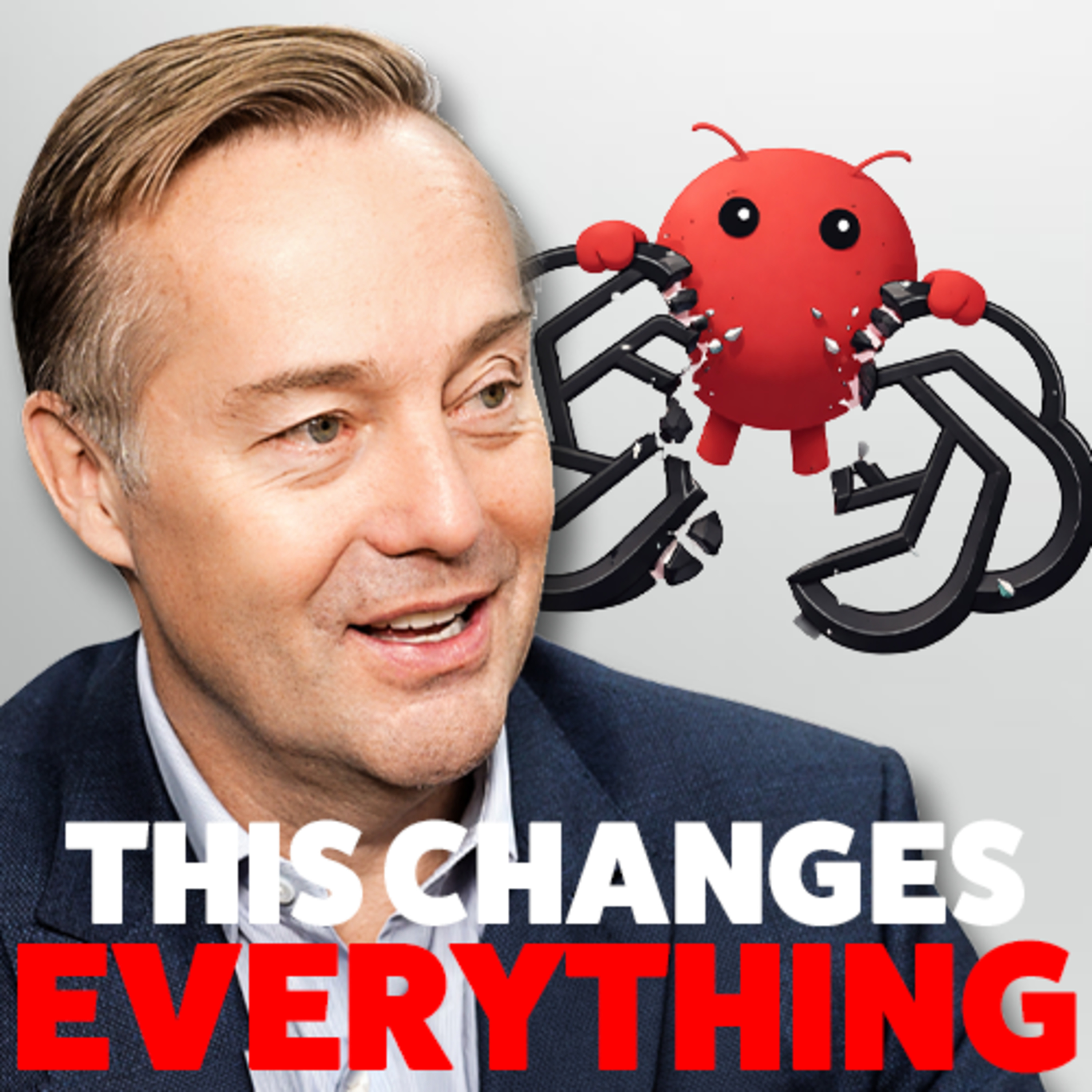
CEO Brad Jacobs uses AI to automatically take notes and generate summaries from important meetings across his company. This technology provides him with near-instantaneous, unfiltered insights into operations and challenges that previously would have taken months to surface through the corporate hierarchy.

By feeding meeting transcripts into a custom AI system, an executive gets daily, specific feedback on his performance goals (e.g., not jumping to solutions). This creates a continuous accountability loop, making formal performance reviews more actionable and impactful.

By the end of 2026, recording every meeting and applying AI agents to transcribe, summarize, assign action items, and align with strategy will be table stakes. Hoffman argues that companies not doing this will be making excuses, akin to sticking with horse-drawn carriages in the age of the car.

Power dynamics often prevent leaders from receiving truly honest feedback. By implementing AI "coaching bots" in meetings, executives can get objective critiques of their performance. The AI acts as an "infinitely patient coach," providing valuable insights that colleagues might be hesitant to share directly.
A key practice at OpenLoop is making all meeting transcripts available to everyone in the organization. This radical transparency creates a massive, shared knowledge base that can be queried by AI systems, allowing employees to access information and context from meetings they didn't attend.
