Get your free personalized podcast brief
We scan new podcasts and send you the top 5 insights daily.
The importance of speed in AI is deeply psychological. Similar to consumer packaged goods where faster-acting ingredients create higher margins and brand affinity, low-latency AI creates a powerful dopamine cycle. This visceral response builds brand loyalty that slower competitors cannot replicate.

Related Insights
As AI assistants learn an individual's preferences, style, and context, their utility becomes deeply personalized. This creates a powerful lock-in effect, making users reluctant to switch to competing platforms, even if those platforms are technically superior.
Even with comparable model quality, user experience details create significant product stickiness for LLMs. Google's Gemini feels much slower than ChatGPT, and ChatGPT's mobile app includes satisfying haptic feedback. This superior, faster-feeling UX is a key differentiator that causes users to churn back from competitors.

As buyers increasingly use AI as a research partner, the uniquely human aspects of a brand—trust, relationship, and service—become the most critical competitive advantage. When AI can compare features and pricing, the human experience is what will ultimately sway the decision.

As AI models democratize access to information and analysis, traditional data advantages will disappear. The only durable competitive advantage will be an organization's ability to learn and adapt. The speed of the "breakthrough -> implementation -> behavior change" loop will separate winners from losers.

As frontier AI models reach a plateau of perceived intelligence, the key differentiator is shifting to user experience. Low-latency, reliable performance is becoming more critical than marginal gains on benchmarks, making speed the next major competitive vector for AI products like ChatGPT.

Counterintuitively, AI responses that are too fast can be perceived as low-quality or pre-scripted, harming user trust. There is a sweet spot for response time; a slight, human-like delay can signal that the AI is actually "thinking" and generating a considered answer.

Brand is becoming a key moat in AI infrastructure, a sector where it was previously irrelevant. In rapidly growing and confusing markets, education can't keep pace with adoption. As a result, customers default to the brands they recognize, creating powerful monopolies for early leaders. This mirrors the early internet era when Netscape dominated through brand recognition.

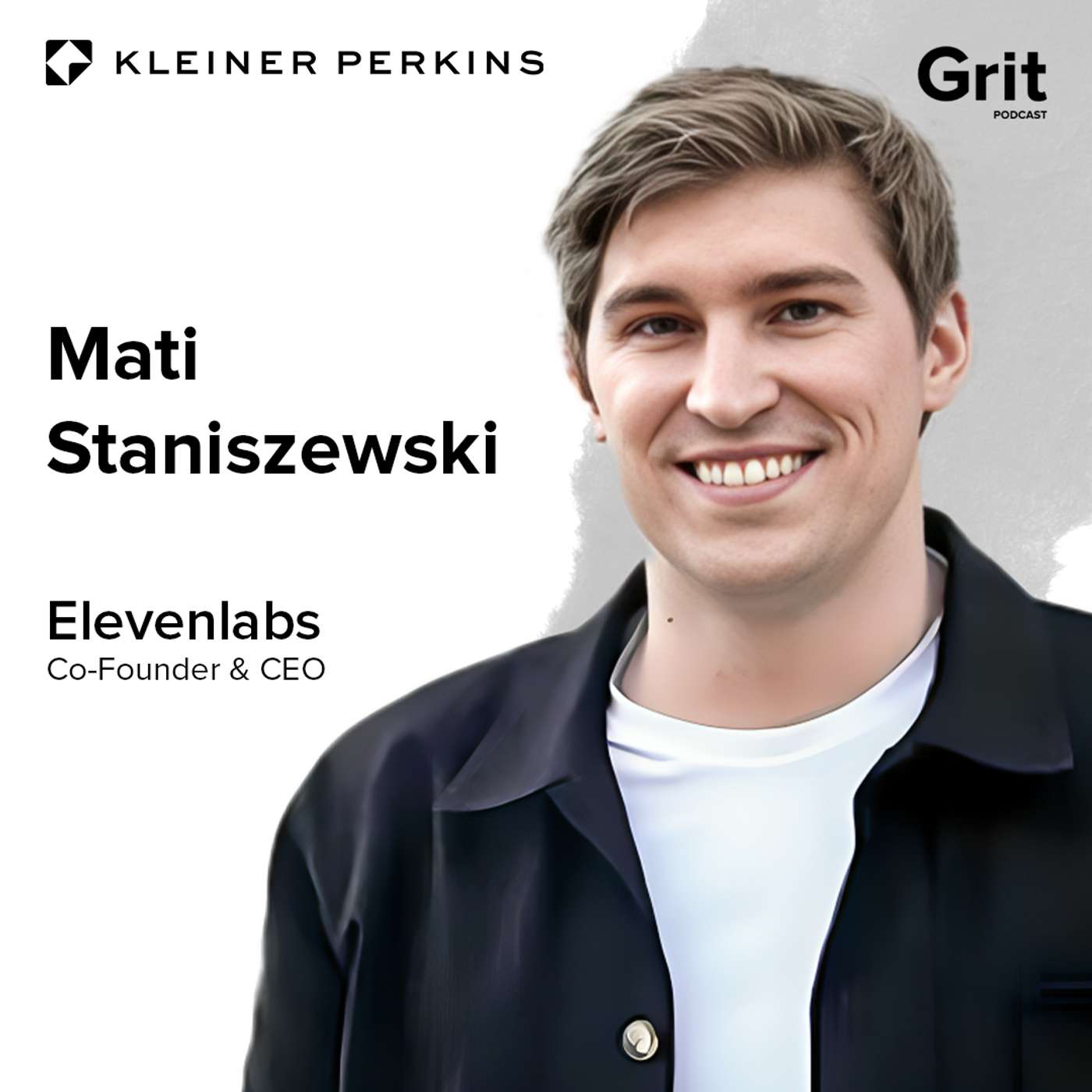
While many pursue human-indistinguishable AI, ElevenLabs' CEO argues this misses the point for use cases like customer support. Users prioritize fast, accurate resolutions over a perfectly "human" interaction, making the uncanny valley a secondary concern to core functionality.
The business race isn't about humans versus AI, but about your company versus competitors who integrate AI more quickly and effectively. The sustainable competitive advantage comes from shrinking the cycle time from a new AI breakthrough to its implementation within your business processes and culture.
AI can turn a potentially negative customer experience into a welcoming one by seamlessly removing friction. An airport parking gate that recognizes a license plate and opens automatically transforms a moment of potential anger into a feeling of being recognized and valued, which is a powerful form of brand building.
