Get your free personalized podcast brief
We scan new podcasts and send you the top 5 insights daily.
Natalie Ellis took a three-month, fully offline maternity leave, during which her team generated $2.2 million without ads. This success resulted from meticulously planning launch cycles, promotions, and evergreen systems in advance, empowering her team to execute without her direct involvement.

Related Insights
When a crucial deal with Hasbro collapsed, a spent Joan Barnes went to her cabin to recover. She told her team she was too drained to lead and empowered them to come up with the "winning strategy" without her, leading to the pivotal retail idea.

To scale founder-led growth, Kraftful's CEO batch-wrote and scheduled a week's worth of social content in one Sunday session. A team member handled responses, maintaining an authentic, consistent presence without consuming the founder's entire week.
For Jonathan Goodman, true freedom isn't about not working, but about building systems and teams so robust that the business doesn't rely on his daily input. He measures success by his ability to step away for extended periods without disruption, ensuring he can handle life's unexpected events.

User Interviews' marketing team plans 2-3 "bangers" (tentpole campaigns) per quarter. This creates a predictable operating rhythm for the entire company, ensuring a steady drumbeat of marketing moments that are independent of the product roadmap and can be planned in advance.

Automattic's mandatory 2-3 month sabbaticals are a strategic tool for organizational health. The prolonged absence of key people forces the company to eliminate single points of failure and develop new leaders, making the organization "infinitely more resilient and adaptable."
Instead of viewing her baby as a potential hindrance, the founder intentionally designed her company to support her life goals, including maternity leave. This perspective shifts the business from the primary focus to a vehicle for personal fulfillment.
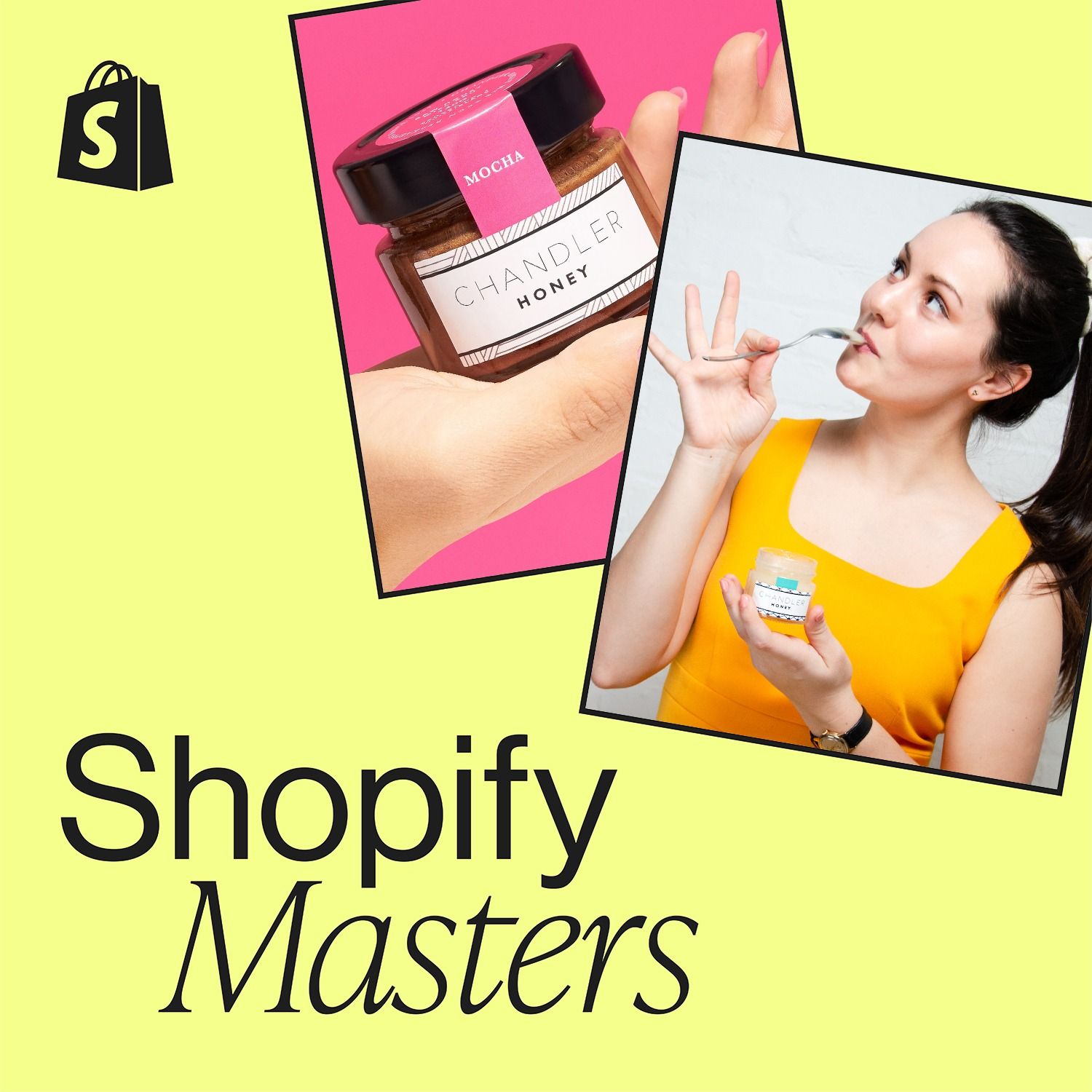
Lindsay Carter explicitly connects her personal state—unhealthy and sleep-deprived postpartum after skipping maternity leave—to poor leadership and decision-making. This directly resulted in the company's first-ever down year, demonstrating that founder well-being is a critical business metric, not just a personal issue.
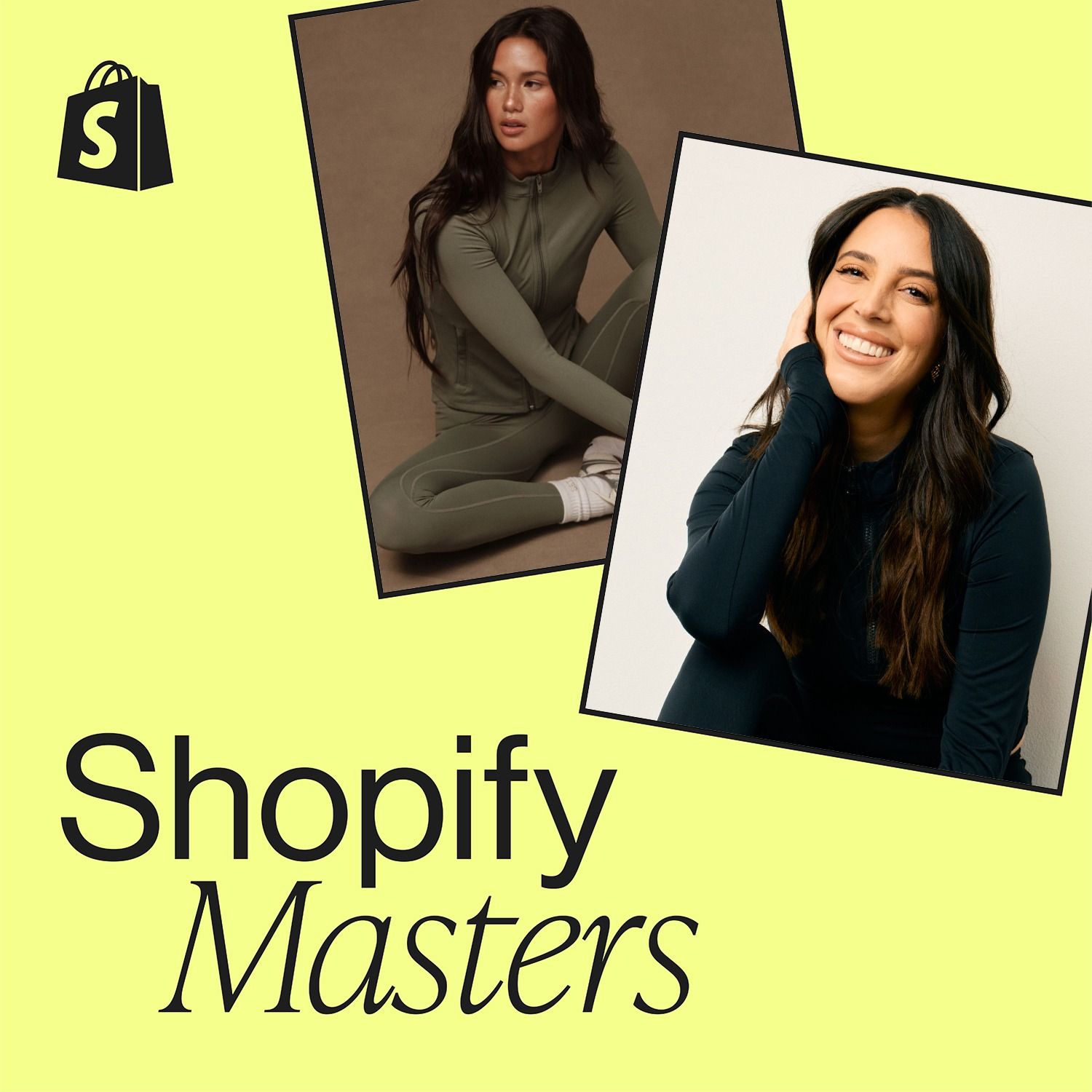
Stepping back from a core, revenue-generating part of your business isn't a failure; it's the purest proof that the systems, funnels, and evergreen content you've built actually work. This act demonstrates that the business can sustain itself, validating the very principles of automation and delegation you teach.

Ferriss recommends a yearly four-week, completely offline "mini-retirement." It is not just for rest; it is a forcing function. To prepare for your absence, you must create better systems and autonomous decision-making guidelines for your team. These process improvements endure long after you return, making the business stronger.

During her 3-month leave, Natalie Ellis’s team didn't just maintain operations; they created and launched new products based on customer requests. This level of trust and empowerment can unlock new revenue streams and foster a sense of ownership, moving team members from mere executors to company-building innovators.