Get your free personalized podcast brief
We scan new podcasts and send you the top 5 insights daily.
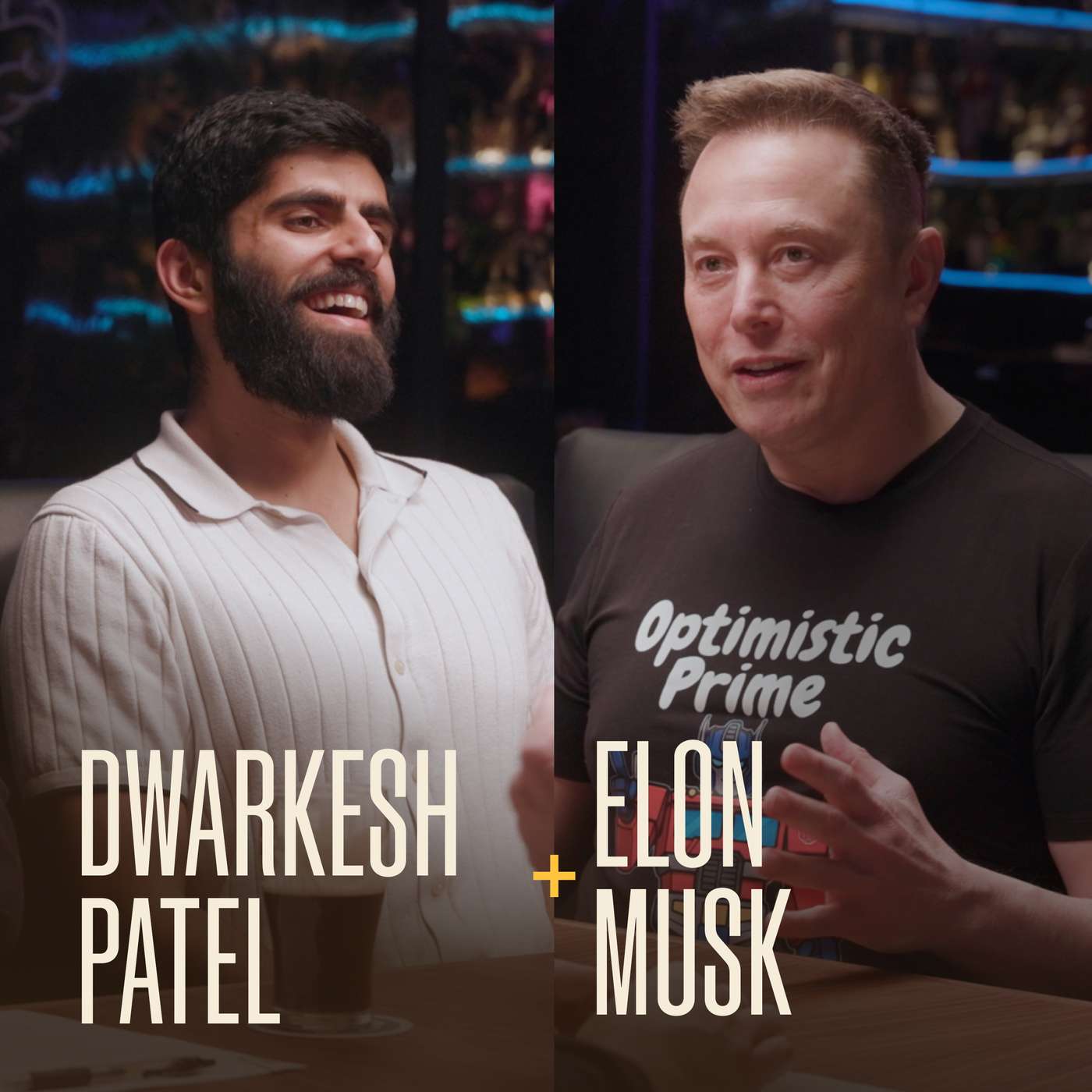
To get an unfiltered view of progress and maintain urgency, Musk runs highly detailed, weekly engineering reviews. He bypasses direct reports and has their team members provide updates directly, with no advance preparation allowed. This allows him to mentally plot progress and intervene only when success seems impossible.
Related Insights
Elon Musk's management playbook is built on a few core principles: only engineers truly matter, the CEO must violate the chain of command to talk directly to line engineers, and the CEO's job is to parachute in weekly to fix the single biggest bottleneck by working alongside them.
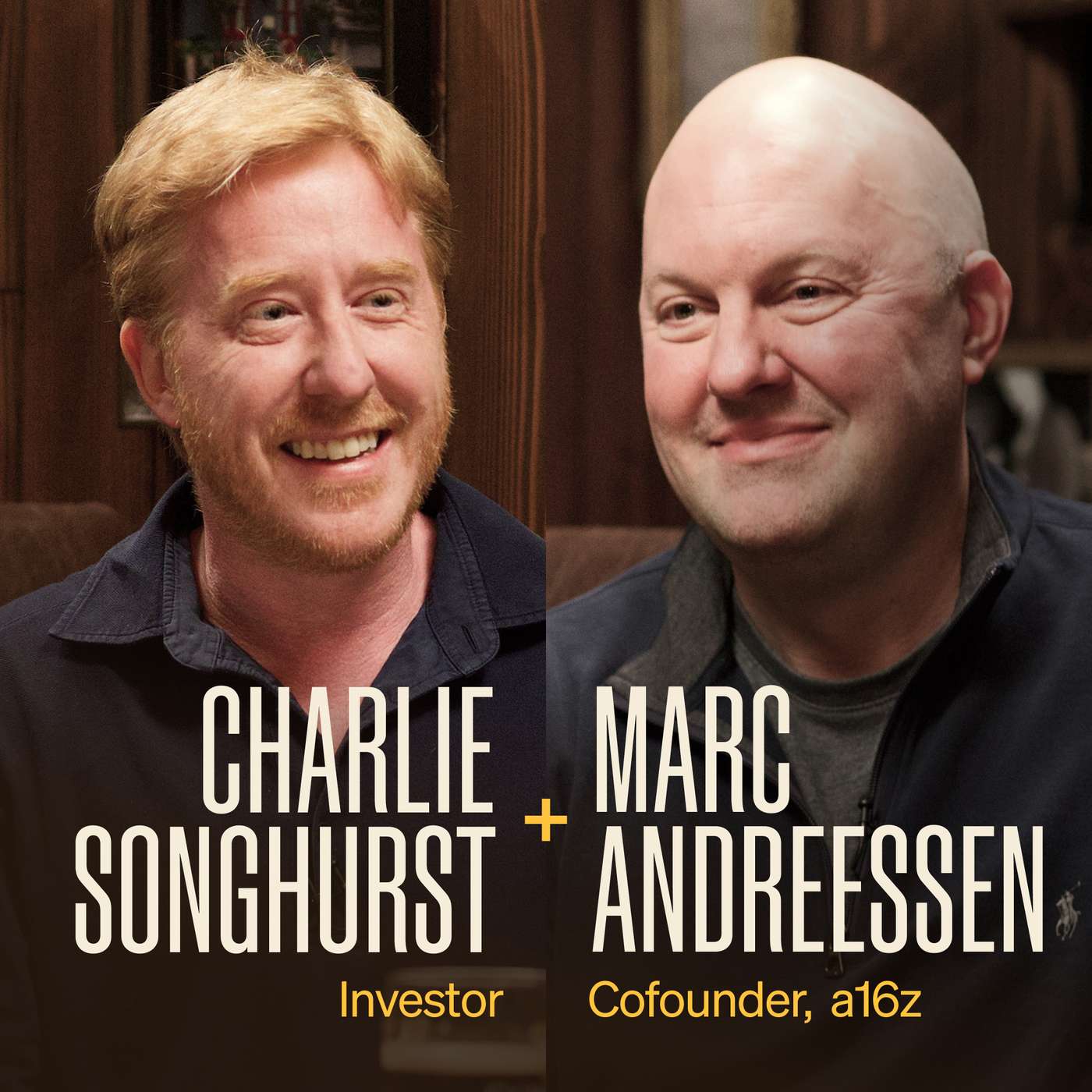
Countering the "get out of the way" mantra, Turing's CEO argues leaders must stay close to the details. He emulates a strategy of identifying the single most critical problem each week and working hands-on with the relevant team to unblock it, rather than operating through layers.

Jensen uses a "Top 5 Things" email system where any employee can send him their priorities and market observations. He reads around 100 of these daily to get unfiltered information directly from the "edge" of the organization, allowing him to spot trends before they become obvious.

Effective leadership in a fast-moving space requires abandoning the traditional org chart. The CEO must engage directly with those closest to the work—engineers writing code and salespeople talking to customers—to access unfiltered "ground truth" and make better decisions, a lesson learned from Elon Musk's hands-on approach.

In the fast-moving AI sector, quarterly planning is obsolete. Leaders should adopt a weekly reassessment cadence and define "boundaries for experimentation" rather than rigid goals. This fosters unexpected discoveries that are essential for staying ahead of competitors who can leapfrog you in weeks.
Jensen Huang uses the whiteboard as the primary meeting tool to compel employees to demonstrate their thought process in real-time. This practice eliminates hiding behind prepared materials and fosters rigorous, transparent thinking, revealing immediately when someone hasn't thought something through.
To create a high-velocity culture, managers must actively pull deadlines forward. Don't just accept a proposed timeline. Ask what's blocking it, question the actual work hours required, and repeatedly challenge why it can't be done sooner.

Contrary to the model of steady weekly hours, Elon Musk’s effectiveness may come from a different pattern: identifying critical problems and applying short, intense bursts of obsessive micromanagement (e.g., 100-hour weeks sleeping on the factory floor) before pulling back.

Adopt the private equity board meeting model: circulate a detailed brief a week in advance. This forces attendees to consume updates asynchronously. The meeting itself can then be dedicated entirely to debating critical, forward-looking decisions instead of wasting time on status reports.

Executives crave predictability, which feels at odds with agile discovery. Bridge this gap by making your learning visible. A simple weekly update on tested assumptions, evidence found, and resulting decisions provides a rhythm of progress that satisfies their need for oversight without resorting to rigid plans.
