Get your free personalized podcast brief
We scan new podcasts and send you the top 5 insights daily.
Amidst the energy crisis, China is strategically controlling its refined product exports. By selectively providing relief cargoes to neighbors like the Philippines and Vietnam—countries with whom it has active territorial disputes in the South China Sea—it is using energy as a tool of statecraft.

Related Insights
China's renewed commitment to the previously stalled Power of Siberia 2 gas pipeline is a direct geopolitical response to the U.S. using trade and energy as weapons. This move signals a strategic pivot to reduce its energy dependency on the Western Hemisphere amid escalating trade tensions.

China's investment in green technology is driven less by environmentalism and more by strategic goals. By dominating renewables and EVs, China reduces its dependence on foreign oil—a key vulnerability in a potential conflict with the US—while building global soft power and boosting its GDP through green tech exports.
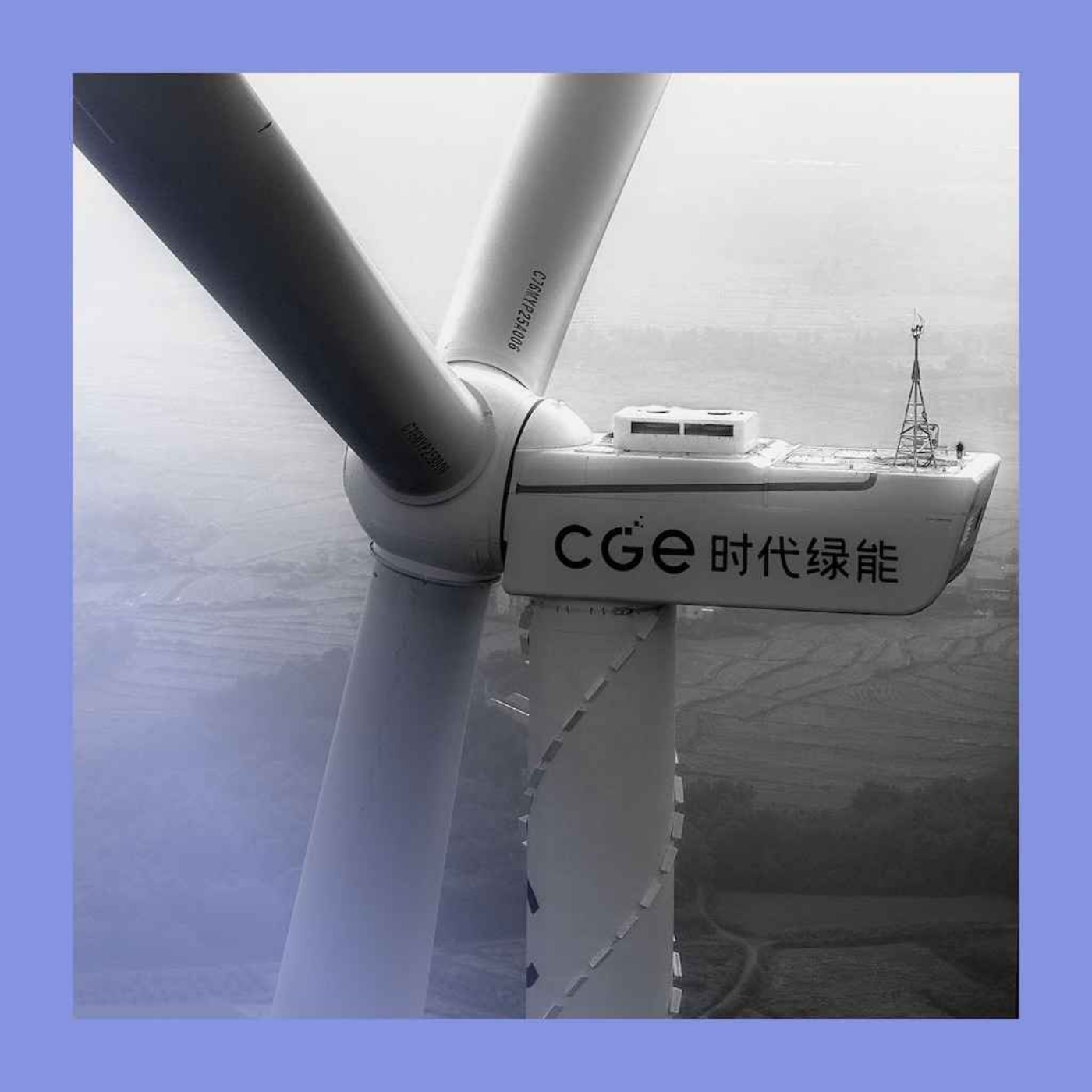
China's frantic deployment of solar is a strategic move to reduce dependence on oil imported through sea lanes it doesn't control, such as the Strait of Malacca. By becoming an 'electrostate,' China aims to neutralize a key point of economic and military leverage held by the U.S. and its allies.

China maintains a strategic petroleum reserve covering over 120 days of imports, exceeding the 90-day international standard. This massive stockpile is not just for economic stability but is a key national security measure, driven by long-standing fears that the U.S. Navy could cut off its seaborne oil supplies during a conflict.
The U.S. strategy of disrupting global energy to constrain China has backfired. It hurts energy-dependent allies like Japan, South Korea, and the Philippines far more, inadvertently pushing them toward pragmatic partnerships with China for their own energy security.

Since the U.S. is a net oil exporter, controlling massive reserves like Venezuela's is less critical. The real power now lies in controlling the flow of oil to adversaries like China, which is dependent on imports and could be crippled by a supply cutoff.

While the U.S. pursues "energy dominance" via LNG and oil exports, China is establishing itself as a "green tech superpower." By supplying affordable solar panels, batteries, and EVs, China offers other nations a path to energy security and independence, creating a new form of geopolitical influence that challenges the fossil fuel-based world order.
Faced with geopolitical uncertainty in key supplier nations, China employs a dual strategy for energy security. It has built a massive oil stockpile providing 120 days of cover for supply disruptions. Concurrently, it's rapidly electrifying its transport sector to reduce its long-term dependence on imported oil.

While facing economic headwinds from the oil crisis, China is positioning the US-Iran conflict as a geopolitical victory. It portrays the US as a chaotic, destabilizing force, contrasting itself as a stable superpower and capitalizing on the global fallout from what it terms 'poor strategic coordination' by Washington.

China concentrates its diplomatic and military resources on regions crucial to its core interests—its immediate neighbors like Taiwan and Japan. This long-standing "periphery diplomacy" explains its choice to use economic leverage, rather than direct intervention, in more distant conflicts like Iran.
