Get your free personalized podcast brief
We scan new podcasts and send you the top 5 insights daily.
The moment a brand justifies its purpose by claiming it drives profit, it ceases to be a purpose. The logic becomes transactional; if a more profitable but unethical path appeared, a profit-driven logic would dictate taking it. True purpose must exist independent of financial gain.

Related Insights
The 20th-century view of shareholder primacy is flawed. By focusing first on creating wins for all stakeholders—customers, employees, suppliers, and society—companies build a sustainable, beloved enterprise that paradoxically delivers superior returns to shareholders in the long run.

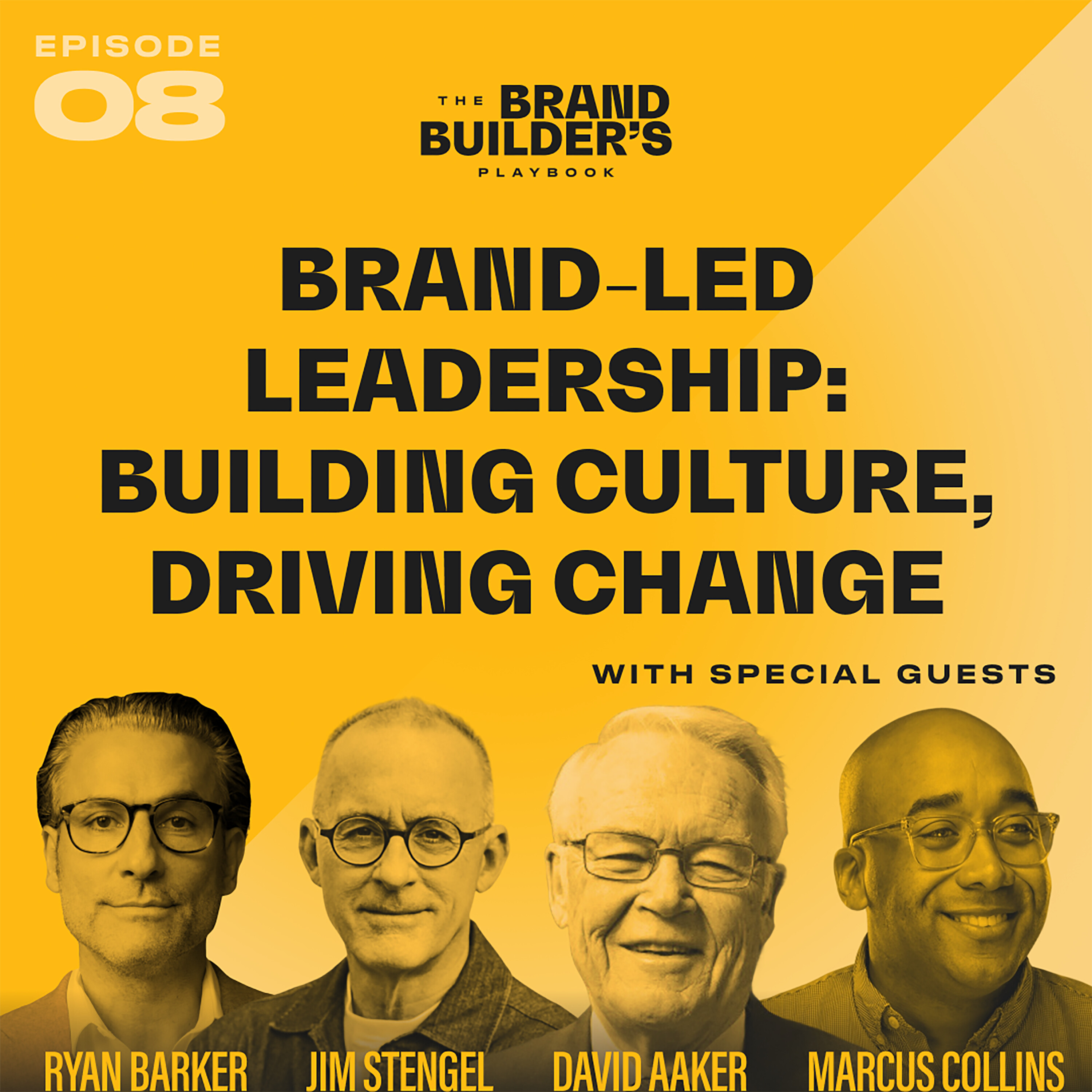
Marketing professor Marcus Collins argues that the true test of brand leadership isn't crafting a purpose statement, but adhering to it when faced with challenges or pressure on shareholder value. Many leaders evangelize their brand's point of view only when convenient, which ultimately undermines authenticity.
Stating that your company's purpose is to make a profit is not a compelling 'why' for employees or customers. A true purpose should be a unique identifier, like a thumbprint or DNA, that distinguishes the organization from all competitors who are also seeking profit.
When moving from a commercial entity like Amazon to a mission-driven organization, business cases shift. The primary justification becomes advancing the organization's mission, where the cost of doing something shouldn't prevent doing the right thing, rather than focusing solely on traditional revenue or engagement metrics.

The current model of capitalism prioritizes profit above all. A more sustainable and just version would reorder the priorities: first, advance a greater cause; second, protect the people and places you operate in; and third, generate profit as the means to continue the first two indefinitely.

The foundation of capitalism is creating net new value where all parties benefit. A truer definition of "profit" is the maximization of human flourishing, which excludes value captured through fraud, coercion, or misinformation—actions that are closer to theft than genuine commerce.

In an era where purpose is often marketed as a profit driver, Richard Dickson presents a pragmatic view. For Gap, purpose (like sustainability) is a core value and responsibility, but the ability to execute on that purpose at scale is directly enabled by the financial health of the company.
The prevailing 'purpose-led' marketing mantra has the order wrong. Quoting P&G's Mark Pritchard, the guest argues that brands must first achieve commercial growth to fund social initiatives. The idea that "good comes from growth," not the other way around, prompted a major strategy shift at P&G and Unilever back to product superiority.

Daniel Lubetzky learned that while consumers admire a cause, they buy products they like. His mission-driven Peaceworks brand struggled because the product's quality and value proposition must come first, with the mission serving only as a secondary "reason to believe."

Corporations exhibit a 'floating brand morality,' pulling support for one controversial figure while ignoring another's transgressions. This isn't about principles; it's a calculated decision based on what they believe is most profitable. Their moral stance shifts to protect the bottom line.