Get your free personalized podcast brief
We scan new podcasts and send you the top 5 insights daily.
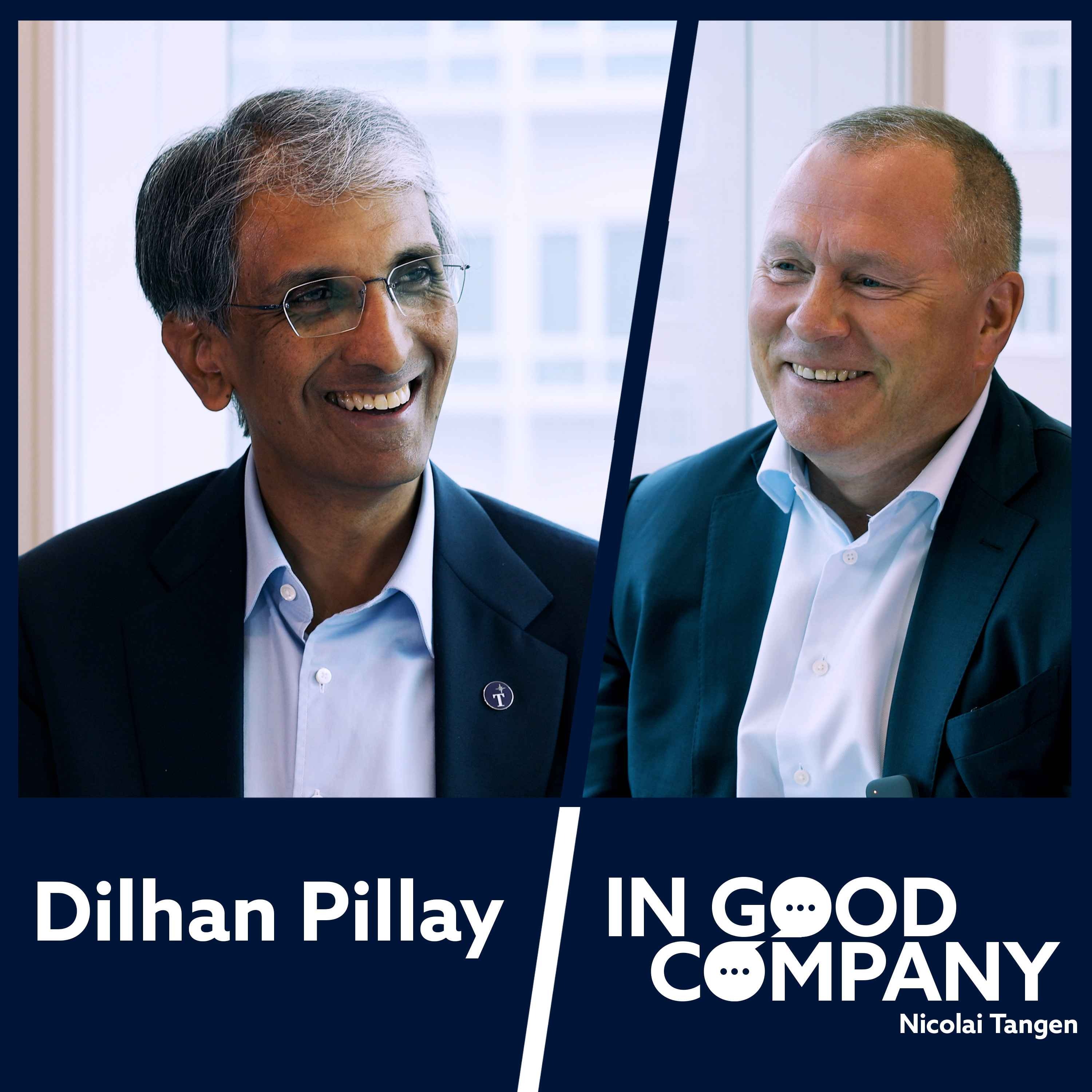
Leading sovereign funds like Saudi Arabia's PIF and New Mexico's SIC are evolving beyond generating returns. They are now the primary policy tools for ambitious national goals, such as transitioning to a net-zero economy or funding universal childcare, directly tying investment success to tangible societal outcomes.

Related Insights
Sovereign wealth funds, particularly in the Middle East, view AI as a 30-50 year societal transformation, not just a short-term investment. Their deep pockets and long-term strategic commitment mean they would likely step in to buy key chip stocks like NVIDIA at a discount during a market correction, effectively creating a floor under the market.

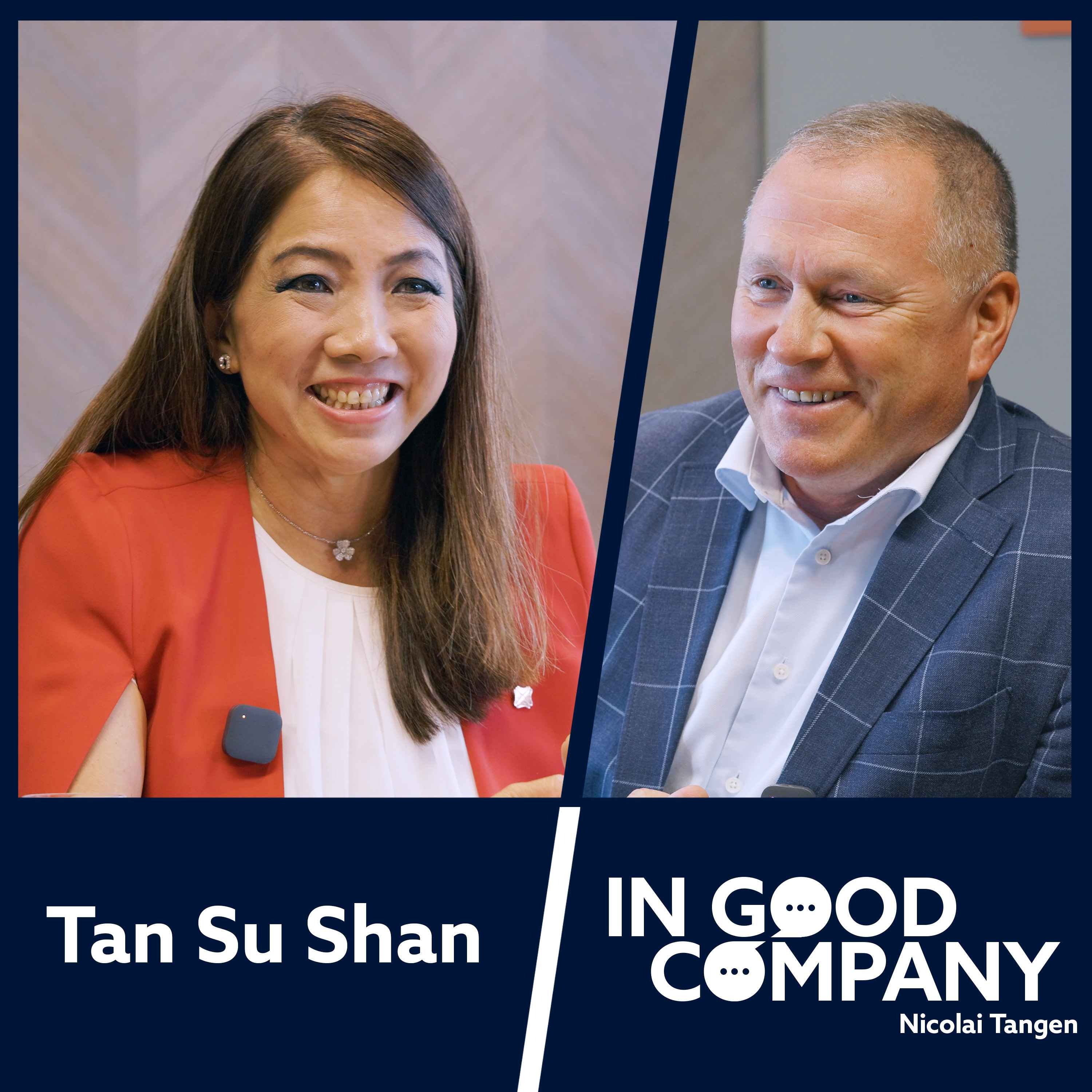
Nicolai Tangen, CEO of the world's largest sovereign wealth fund, redefines the CEO acronym as "Chief Energy Officer." He sees his primary job as providing energy, direction, and inspiration to push the team toward ambitious goals they might initially resist, framing leadership as a function of energy transfer.
Sovereign wealth funds from the Gulf are investing heavily in the gaming industry, which is larger than film and TV combined. This is a deliberate, long-term strategy to diversify their economies away from oil by acquiring valuable, globally-relevant intellectual property and capturing a new generation of consumers.

An effectively managed sovereign wealth fund within the US government is making strategic and profitable investments in key technology companies like MP Materials and Intel. Spearheaded by entities within the DOD, this fund is cutting hard deals that benefit American taxpayers, suggesting a model for future public-private partnerships.

Beyond traditional energy projects, there's a growing opportunity for large-scale, long-duration capital in "social infrastructure." Mature private education platforms and hospital networks in developing markets are now predictable enough to attract lower-cost capital, creating a new asset class for multi-billion dollar impact funds.

The current movement towards impact-focused business is not just a trend but a fundamental economic succession. Just as the tech revolution reshaped global industries, the impact revolution is now establishing a new paradigm where companies are valued on their ability to create both profit and positive contributions to society and the planet.

The fund's core belief is that an impact lens can uncover economic returns unavailable to traditional investors. The strategy is not about sacrificing returns, but demonstrating that understanding impact benefits can directly translate into long-term economic outperformance, thereby influencing broader capital allocation.
China's government sets top-down priorities like dominating EVs. This directive then cascades to provinces and prefectures, which act as hundreds of competing, state-backed venture capital funds, allocating capital and talent to achieve the national strategic goal in a decentralized but aligned way.
Regional stability is an economic necessity for oil-rich nations. Peace allows them to accelerate monetization of their finite oil reserves and reinvest the capital into diversified, future-proof economies like AI and tourism before alternative energy devalues their primary asset.
Unlike Norway's model of direct government ownership, Singapore's Temasek acts as a holding company. This structure allows it to convene portfolio company leaders (e.g., in a Sustainability Council) to share insights and best practices, creating synergies that would be impossible with disparate ownership.