Get your free personalized podcast brief
We scan new podcasts and send you the top 5 insights daily.
Because AI safety moves rapidly with urgent gaps, self-directed candidates who build practical solutions can get hired without formal permissions. Designing platforms or publishing public analysis proves personal agency to hiring managers and creates opportunities before formal job listings even open.

Related Insights
Instead of traditional hiring, acquiring small teams or solo founders of relevant projects is a better way to find talent. The act of independently building and shipping a product in the same problem space is a stronger signal of conviction, skill, and mission-alignment than interviews can assess.

Sending a resume is now an outdated and ineffective way to get noticed by AI startups. The proven strategy is to demonstrate high agency by building a relevant prototype or feature improvement and emailing it directly to the founders. This approach has led to key hires at companies like Suno and Micro One.

Don't wait for a job title to start working as a professional AI developer. Begin building projects, sharing your process and learnings publicly on platforms like LinkedIn or YouTube, and developing a portfolio. This demonstrates your skills and passion, making you an obvious hire for companies looking for this new role.

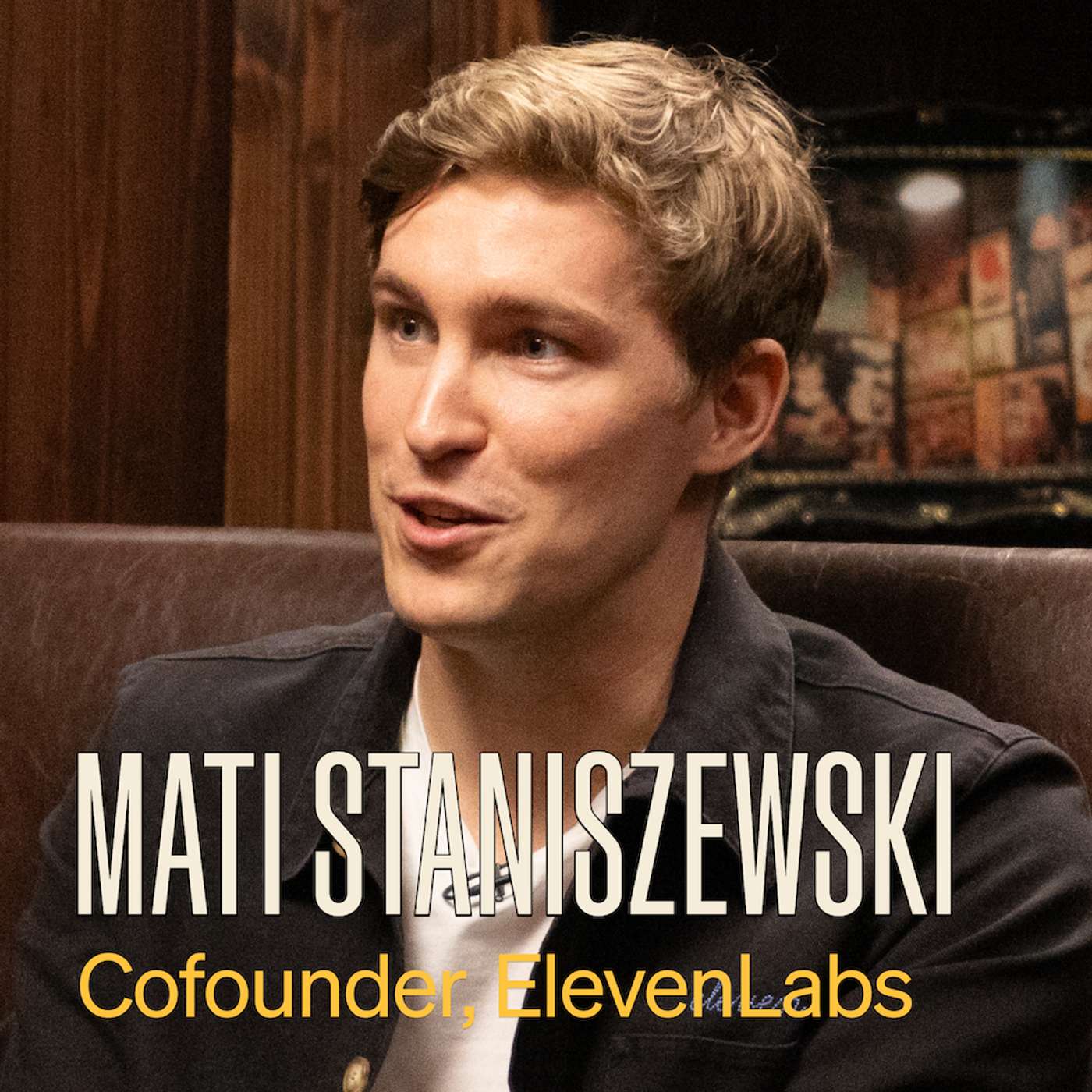
In a world where AI handles routine tasks, the most valuable human contribution is the initiative to solve problems independently. ElevenLabs prioritizes hiring for "agency," seeing it as the ultimate amplifier for an individual's impact, regardless of their seniority. High-agency people are the winners of the AI era.
Getting hired at a premier AI lab like Google DeepMind often bypasses traditional applications. Top researchers actively scout and directly contact individuals who produce work that demonstrates excellent "research taste." The key is to independently identify and pursue fruitful research directions, signaling an innate ability to innovate.

Lovable prioritizes hiring individuals with extreme passion, high agency, and autonomy—people for whom the work is a core part of their identity. This focus on intrinsic motivation, verified through paid work trials, allows them to build a team that can thrive in chaos and drive initiatives from start to finish without supervision.

The Codex team values "agency"—the quality of being a self-starter who proactively builds things. When recruiting, they are far more likely to engage with candidates who share links to their work and ideas than those who simply submit a traditional resume.

This field is too immature for a standard career path with many job openings. Contributing effectively requires an entrepreneurial mindset to identify needs, create novel projects, and build solutions from the ground up, as opposed to simply applying for established roles.

With automated applicant tracking systems swiftly auto-rejecting resumes and companies posting ghost listings, traditional job applications fail. Prospective hires must break through gatekeepers by proactively building demonstrable assets—such as managing personal accounts that drive real results or creating unpaid spec work—proving direct competence and mid-level autonomy before an interview ever occurs.

Without a formal entry-level path, aspiring professionals must now create their own 'proof of work.' By demonstrating expertise on public platforms like social media or forums, they can get discovered by companies seeking specific skills, bypassing the traditional application process.