Get your free personalized podcast brief
We scan new podcasts and send you the top 5 insights daily.
The asset management industry is inherently humbling because even top performers are wrong nearly half the time (53% correct is excellent). True success requires humility to accept mistakes and change your mind, whereas arrogance leads to ruin. The most successful investors are notably humble people.
Related Insights
Effective decision-making is not about being right all the time; it's about speed and discipline. Top traders are correct only about 55% of the time. Their real skill lies in quickly recognizing the 45% of wrong decisions and cutting their losses without ego. This principle applies to all leadership.
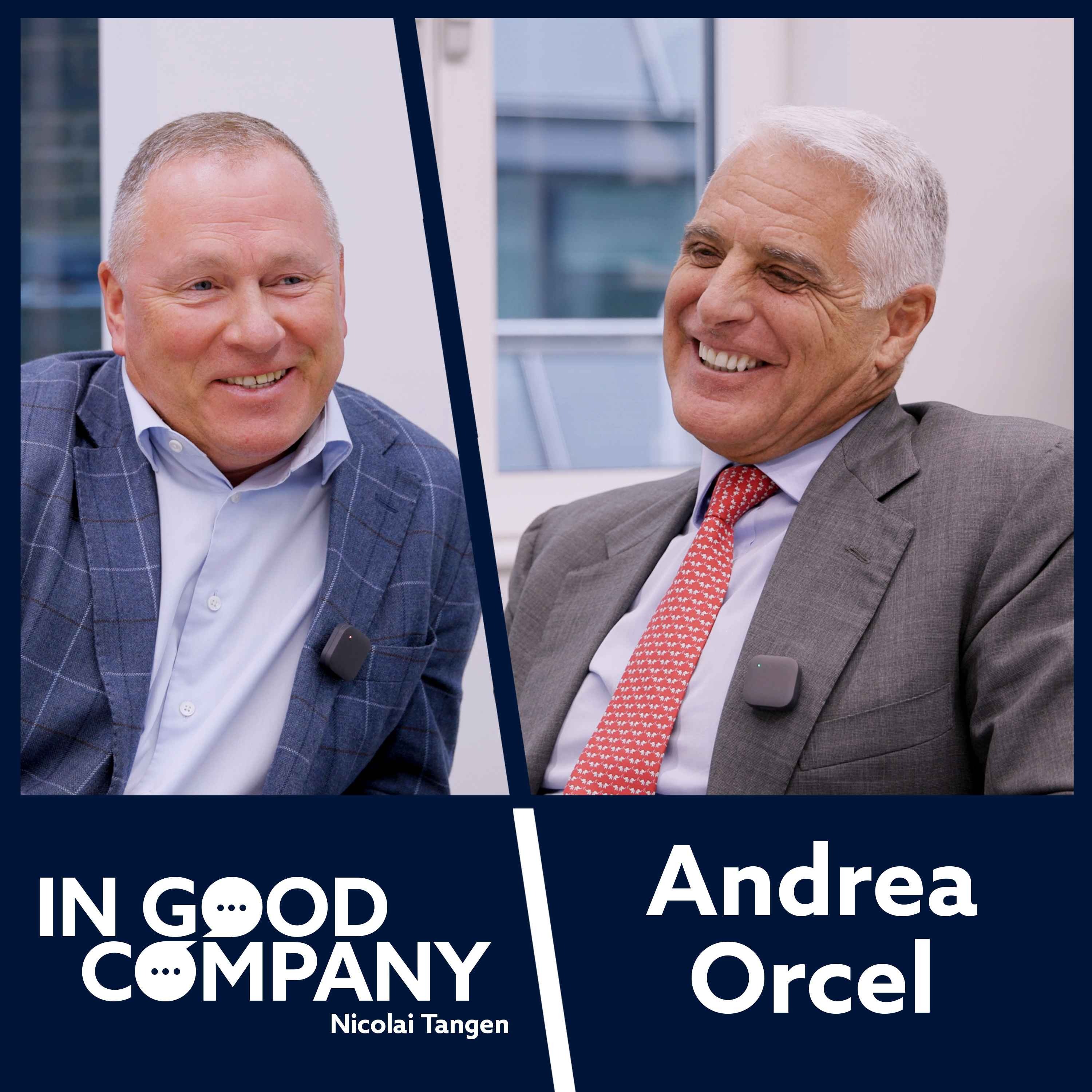
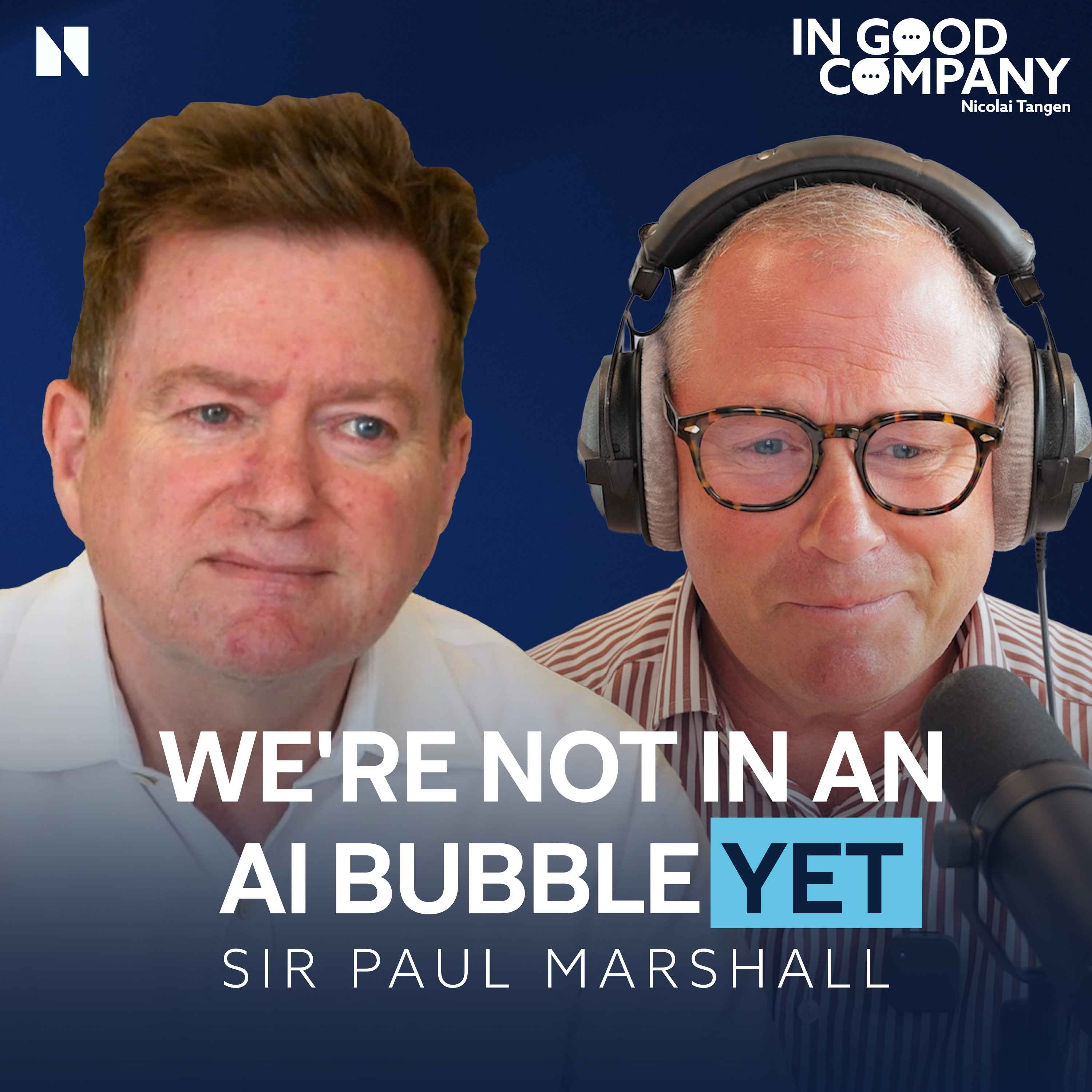
Success in investing isn't about constant wins. Sir Paul Marshall notes that a top-tier manager may only have a 54% success rate. This means being wrong almost every other day, which serves as a powerful, daily antidote to the hubris that can destroy investment careers.
Successful investing is a psychological tightrope. It demands the arrogance to believe you can outperform the market, which fuels conviction. Simultaneously, it requires the humility to change your mind, cut losses, and avoid the catastrophic blow-ups that unchecked arrogance can cause.

The entrepreneurial journey is a paradox. You must be delusional enough to believe you can succeed where others have failed. Simultaneously, you must be humble enough to accept being "punched in the face" by daily mistakes and bad decisions without losing momentum.

CVC's CEO, a climber of K2, argues that the most dangerous trait in both mountaineering and investing is arrogance. The perspective gained from facing life-threatening situations instills a deep humility and respect for external forces, which is essential for avoiding major errors in financial markets.

Humility is not just a virtue in investing; it's a necessary precondition for prudence. It forces an acknowledgment of an unpredictable future, which in turn compels an investor to demand a margin of safety and value in the present, rather than overpaying based on speculative forecasts.
Every active investment is a claim you are smarter than the market. This necessary arrogance must be balanced with the humility to constantly ask, "Is it me or the market that's wrong?" especially after long periods of underperformance. The key is knowing when your arrogance is deserved versus when it's blinding you.
The best investors are defined by an ego that is secondary to their intellectual curiosity. They are more interested in understanding what will happen next in the market than in defending a previous thesis. This detachment allows them to change their minds quickly when new information emerges.

In 2008, Howard Marks invested billions with conviction while markets crashed, yet he wasn't certain of the outcome. He held the paradox of needing to act decisively against the crowd while simultaneously accepting the real possibility of being wrong. This mental balance is crucial for high-stakes decisions.
Top performers maintain a healthy balance by rapidly toggling between two extremes: believing they are exceptional and simultaneously feeling like they have failed. This duality fuels ambition while preventing the complacency that comes with pure ego or the paralysis of pure self-doubt.
