Get your free personalized podcast brief
We scan new podcasts and send you the top 5 insights daily.
A child's reaction to competitive games is a powerful diagnostic tool. Avoidance of games signals a deep-seated insecurity and fear of losing. Conversely, a child who gets upset after losing but immediately wants to play again demonstrates a resilient, 'winner' mentality that should be encouraged, not suppressed.

Related Insights
Unlike most children who must be told to stop playing, some intellectually gifted children see play as a waste of time and must be actively encouraged to do it. For them, play is not an intuitive activity but a learned skill that must be intentionally developed.

A powerful framework for raising resilient individuals is to separate self-worth from performance. Build immense self-esteem by praising character traits (e.g., kindness), while simultaneously enforcing radical accountability for failures (e.g., "the pitcher was better than you"). This creates confidence that isn't shattered by losing.
When intellectually capable individuals feel underestimated, it can trigger a powerful "underdog" mentality. This frustration, as described by 10-year-old prodigy Sean, can be channeled into a strong drive to demonstrate their true abilities and prove doubters wrong.
Many people are held back by an intense fear of what others will think of their failures. This fear, often a product of childhood conditioning, prevents them from taking necessary risks. Embracing public failure as a learning process is the key to unlocking potential and reducing anxiety.
Over the same decades that children's independent play has declined, rates of youth anxiety and depression have steadily risen. Unsupervised play is crucial for developing an "internal locus of control," which allows kids to learn they can handle life’s challenges and builds resilience.
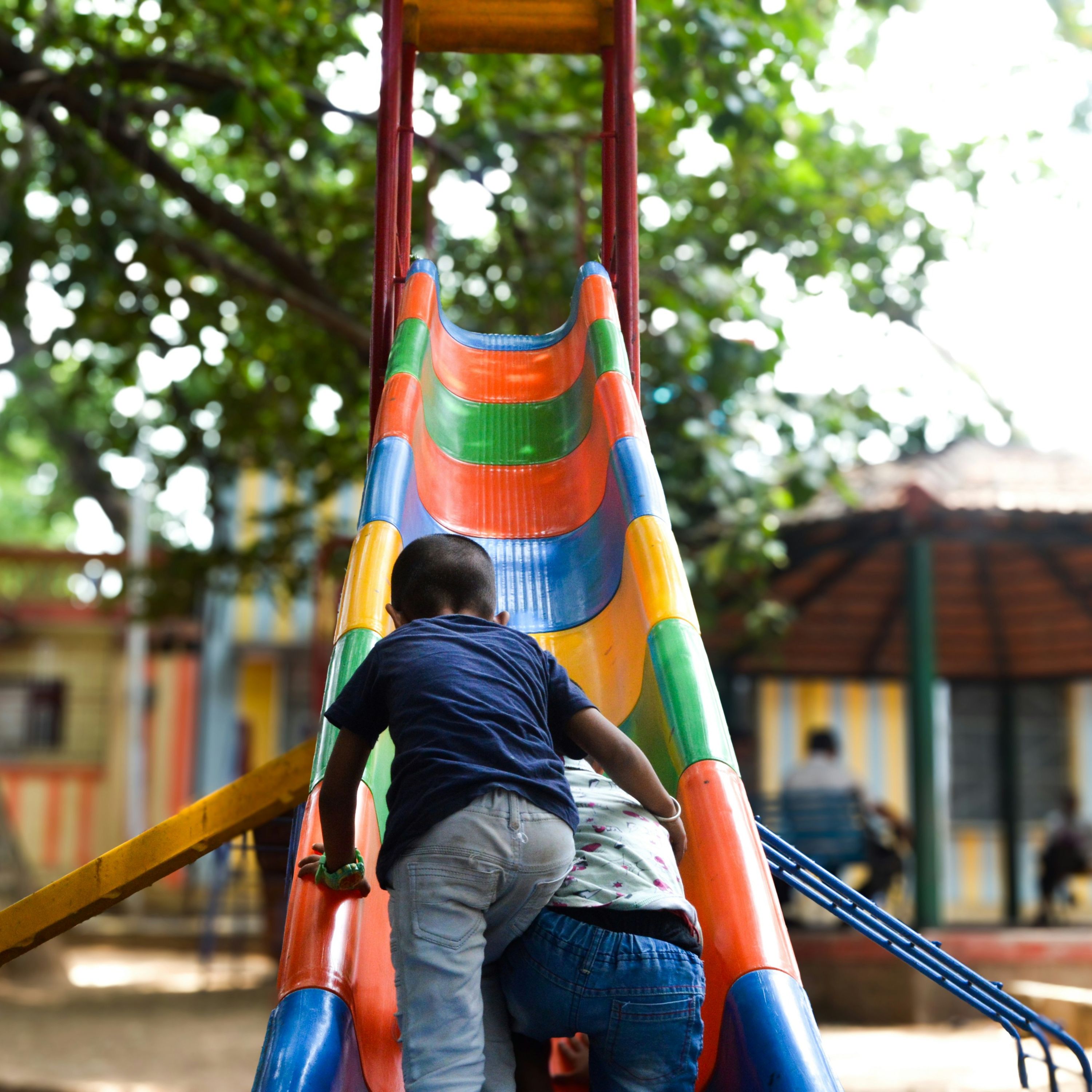
While well-intentioned, attending every single school recital or sports game can create unrealistic expectations for children. Occasionally missing an event teaches resilience, adaptability, and the reality that life sometimes gets in the way, better preparing them for adulthood.
Society is experiencing a 'generational whiplash' in parenting. A reaction against strict methods led to a culture of 'eighth-place trophies,' producing adults ill-equipped for real-world consequences. A counter-movement is now emerging where parents are reintroducing competition and accountability to better prepare their children for life's challenges.
The most impactful gift a parent can provide is not material, but an unwavering, almost irrational belief in their child's potential. Since children lack strong self-assumptions, a parent can install a powerful, positive "frame" that they will grow to inhabit, becoming a self-fulfilling prophecy.

Pediatrician Donald Winnicott argued that children must learn to handle frustration and disappointment. A "perfect" parent who shields a child from all difficulty inadvertently robs them of the chance to develop coping mechanisms for the real world.

To develop a child's patience and ability to manage expectations, a parent can strategically delay fulfilling their requests. This real-world version of the famous "marshmallow test" trains the skill of delayed gratification, which is linked to long-term success and self-control.