Get your free personalized podcast brief
We scan new podcasts and send you the top 5 insights daily.
The show's senior producer realized her journalism peers had no interest in business journalism. She identified this "boring" niche as a less competitive field for internships and focused her efforts there, landing roles at Fast Company and Bloomberg to fast-track her career.
Related Insights
Early in her career, Daren Kagan wanted to be a sportscaster on a show that didn't have one. She pitched the news director to let her do it for free on her days off for one month. By creating the role and de-risking the decision for her boss, she built a year and a half of experience that was crucial for her career.

Rachel Andrews's journey from planning Cvent's holiday party to Global Head of Events shows that growth comes from executing every small opportunity flawlessly. This hunger to "do more" demonstrates capability and opens doors to greater responsibility, rather than waiting for big, impressive projects to fall in your lap.

Career growth isn't just vertical; it can be more powerful laterally. Transferring skills from one industry to another provides a unique perspective. For example, using music industry insights on audience behavior to solve a marketing challenge for a video game launch.

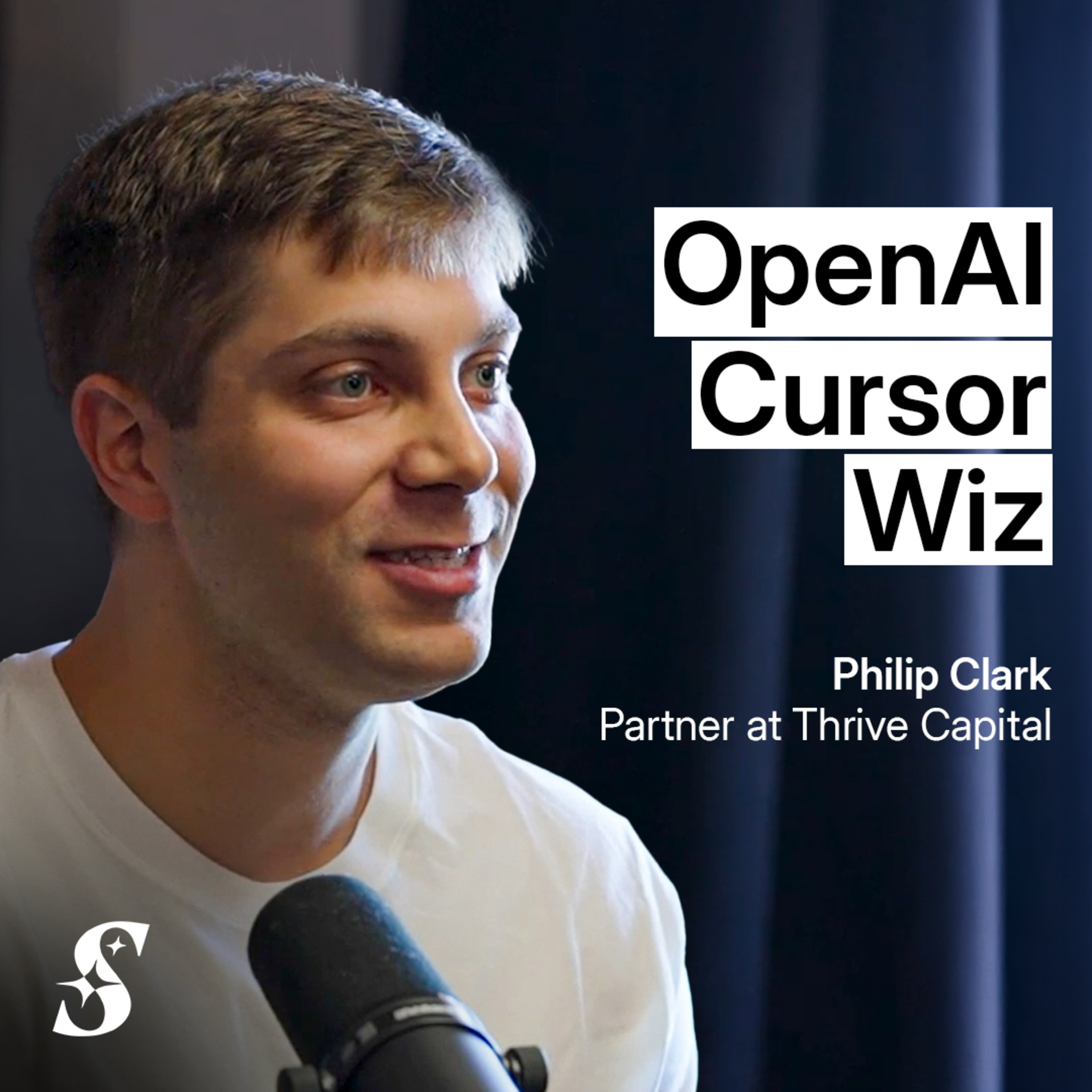
The speaker, Philip, caught the attention of Thrive's founder, Josh Kushner, by writing a niche Substack about semiconductors. This demonstrates that deep, public expertise in a specific domain can be a powerful way to network and find unique career opportunities in venture capital.
A Prof G Media research lead secured her first role after attending a software engineering career fair, not to get a job, but to practice her elevator pitch without pressure. This low-stakes environment unexpectedly led to a valuable referral and a job offer.
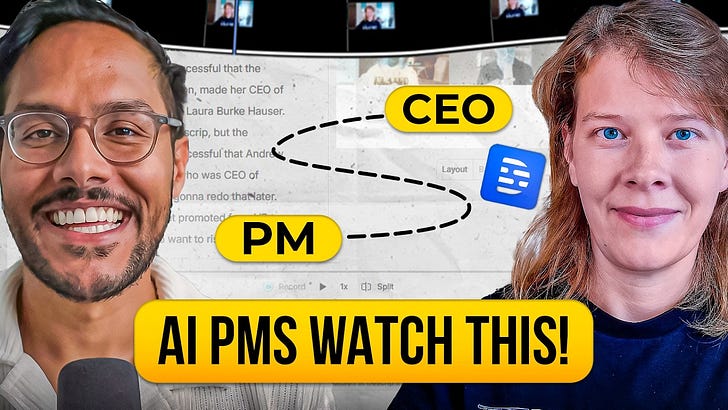
Twice in her career, including for her role at Descript that led to her becoming CEO, Laura Burkhouser landed a job by simply finding a product she fell in love with as a user and cold-emailing to ask for a job. Instead of optimizing for title or money, she optimized for learning and passion, which ultimately led to greater success.
Prioritizing a work environment with a strong, shared belief system over a higher salary is a powerful career accelerator. David Droga consistently took pay cuts to join teams with creative conviction, which ultimately placed him in positions to do his best work and grow faster.

David Rubenstein's successful second act as a TV interviewer wasn't a planned career move calculated with consultants. It emerged organically from a simple need to make his firm's investor events less boring. This highlights how the most transformative professional opportunities often arise from solving unexpected problems, not from a formal strategic plan.

Wade Wallace built his blog by interviewing the last-place finisher of a bike race, not the winner. This gave him unique access and content that established media ignored, helping him find an audience when he had no connections or reputation.

Early in your career, focus is a luxury. The best way to get noticed is not by tackling big strategic problems, but by executing a single, often mundane, task with exceptional attention to detail. This demonstrates a capacity for excellence that leaders notice, creating opportunities for advancement.
