Get your free personalized podcast brief
We scan new podcasts and send you the top 5 insights daily.
The US market's high valuations depend on a predictable rule of law. When the government selectively punishes or rewards companies like Anthropic based on political whim, it introduces uncertainty that scares away capital, compresses multiples, and ultimately harms the entire economy.

Related Insights
For D1 Capital, the primary risk in China isn't economic but political. The government's ability to arbitrarily influence resource allocation, punish successful companies, and eliminate entire sectors without due process creates an unacceptable level of uncertainty for capital allocators, regardless of how cheap valuations become.
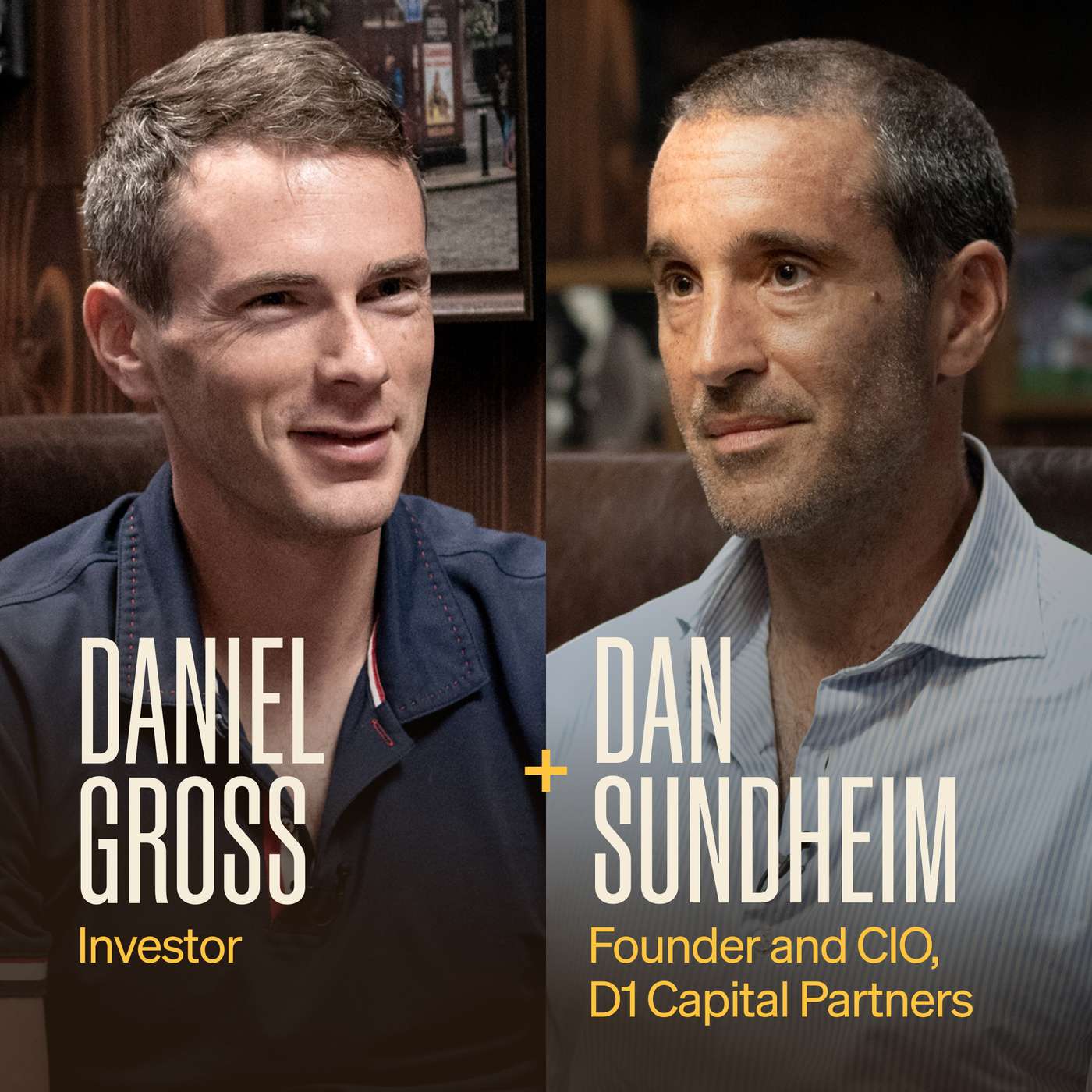
While investing in government-supported sectors like AI and semiconductors seems safe, it's a long-term risk. A government's priority is political—winning elections and preserving jobs—which will eventually conflict with an investor's goal of maximizing profit, leading to poor returns as seen in China.

A general boycott hurts everyone, but a targeted strike on high-valuation tech and AI sectors creates a disproportionate ripple effect. Since their valuations are 'priced to perfection,' even a small revenue dip can cause significant market turmoil, capturing the administration's attention without widespread consumer harm.

Horowitz stresses that technological advancement is fragile. A single poor policy decision, like restricting GPU sales, can derail an entire industry and a nation's competitive advantage, regardless of its talent or culture. He points to a near-miss US executive order on GPUs as a stark example.
![Ben Horowitz - Backing America’s Future - [Invest Like the Best, EP.457] thumbnail](https://megaphone.imgix.net/podcasts/9505619a-009e-11f1-869d-c7d5bc43b194/image/83257eb514e1fd42513d2e46eeb4e9dd.jpg?ixlib=rails-4.3.1&max-w=3000&max-h=3000&fit=crop&auto=format,compress)
The government's response to Anthropic's ethical stance wasn't just contract termination but an attempt at "corporate murder" via a "supply chain risk" designation. This precedent suggests any company disagreeing with the government on terms could face punitive, business-destroying actions, changing the risk calculus for all defense tech partners.

When governments interfere in M&A or pick tech winners, they erode the stable, rule-based environment that attracts capital. This "sclerotic socialism" introduces unpredictable risk, contributing to the S&P 500's recent underperformance against other global markets.
When a president targets a specific corporate board member, it shifts markets from predictable, rules-based competition to a personality-driven system. Investors can price regulatory changes, but they struggle to price discretionary political targeting, which undermines market stability.
Profitable Chinese giants like ByteDance trade at a fraction of their Western counterparts' multiples. This "China discount" stems not from business fundamentals but from the unpredictable risk of the Communist Party "smiting" successful companies and overarching geopolitical tensions, making them un-investable for many.
![Dan Wang - The US vs China In The 21st Century - [Invest Like the Best, EP.444] thumbnail](https://megaphone.imgix.net/podcasts/e1599a88-a9f6-11f0-b532-e3695bb27d60/image/0f5c07552cef2689e5834d56786ad6f1.jpg?ixlib=rails-4.3.1&max-w=3000&max-h=3000&fit=crop&auto=format,compress)
When a government official like David Sachs singles out a specific company (Anthropic) for not aligning with the administration's agenda, it is a dangerous departure from neutral policymaking. It signals a move towards an authoritarian model of rewarding allies and punishing dissenters in the private sector.

By threatening to force Anthropic to remove military use restrictions, the Pentagon is acting against the free-market principles that fostered US tech dominance. This government overreach, telling a private company how to run its business and set its policies, resembles state-controlled economies.
