Get your free personalized podcast brief
We scan new podcasts and send you the top 5 insights daily.
For years, tech roles became hyper-specialized (e.g., front-end vs. back-end developer). AI compresses these functions, enabling one person to manage multiple parts of the process. This shift favors the "generalist" who can architect and engineer outcomes using AI tools, similar to early in-house IT roles.

Related Insights
AI tools are blurring the lines between roles like product management, UX design, and development. A single skilled individual can now leverage AI to handle tasks that previously required a three-person team, dramatically increasing individual productivity and changing organizational structures.

AI tools are reducing the need for hyper-specialized roles in tech. A designer can now ship front-end code, and a PM can submit a simple PR. This shift allows companies like Thumbtack to move from 10-14 person 'pods' to 3-6 person teams, increasing speed and shared context.

Industry leaders from LinkedIn and Salesforce predict that AI will automate narrow, specialized tasks, fundamentally reshaping careers. The future workforce will favor 'professional generalists' who can move fluidly between projects and roles, replacing rigid departmental structures with dynamic 'work charts.'
The era of hyper-specialization, where individuals had narrow roles, is ending. AI empowers generalists who can handle tasks across disciplines. Future job titles will become broader, with a single 'Product' role covering product management, design, and engineering.

As AI handles coding, traditional tech roles will merge. At Anthropic, PMs, designers, and engineers all code. The future is a generalist "Builder" who can handle multiple disciplines, making role specialization obsolete.

The traditional tech team structure of separate product, engineering, and design roles is becoming obsolete. AI startups favor small teams of 'polymaths'—T-shaped builders who can contribute across disciplines. This shift values broad, hands-on capability over deep specialization for most early-stage roles.
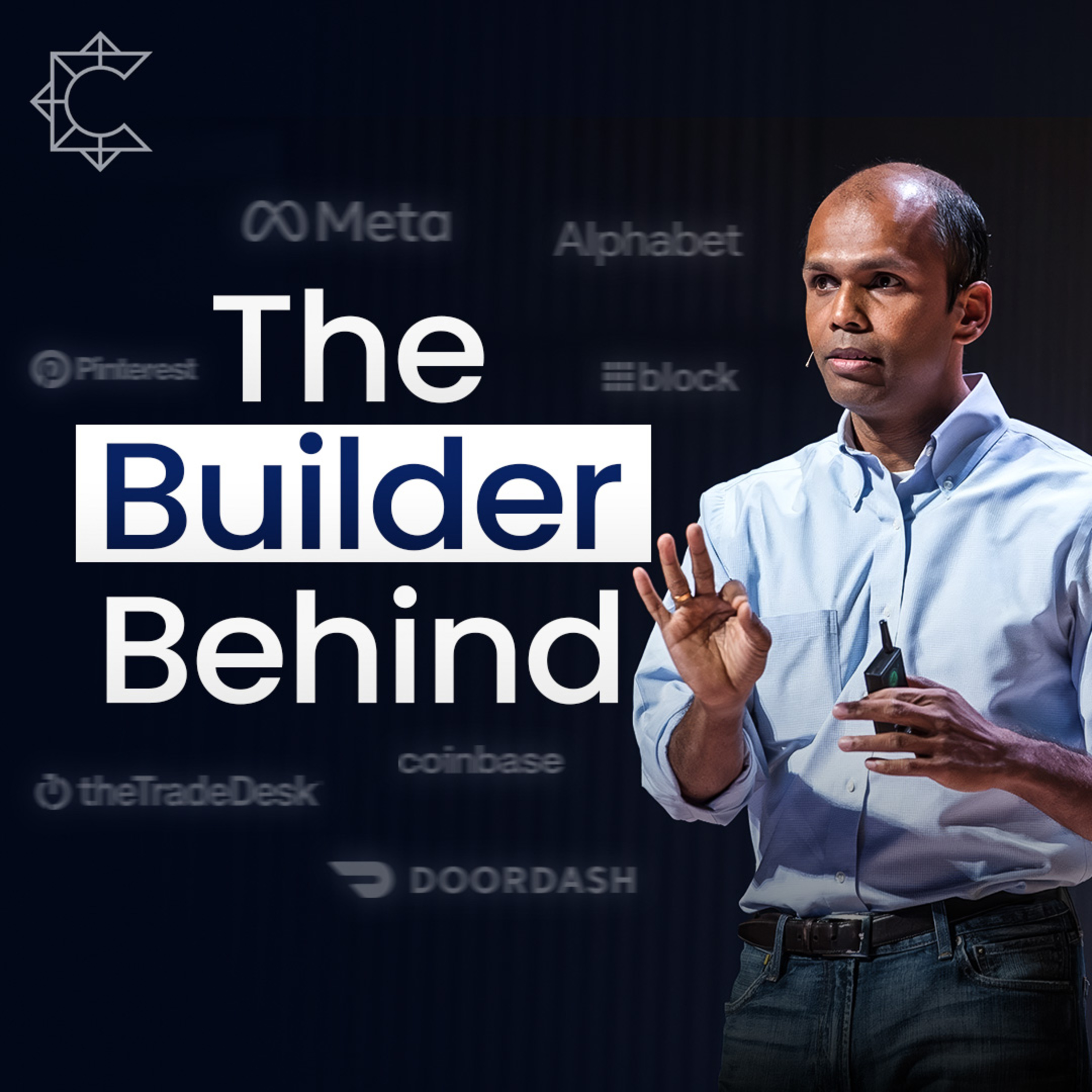
AI reverses the long-standing trend of professional hyper-specialization. By providing instant access to specialist knowledge (e.g., coding in an unfamiliar language), AI tools empower individuals to operate as effective generalists. This allows small, agile teams to achieve more without hiring a dedicated expert for every function.

The future of work will see a rise in "composite roles" where one person handles tasks previously done by multiple specialists (e.g., engineer, product manager, and designer). AI enables this generalization by automating the more routine aspects of each specialty, empowering individuals to manage processes end-to-end.

The CEO of Amplitude predicts AI will eliminate jobs based on specialized, niche knowledge (e.g., writing an earnings script). The most valuable employees will be high-agency generalists who can leverage AI across functions, forcing designers to ship code and marketers to automate campaigns.

Top engineers are no longer just coding specialists. They are hybrids who cross disciplines—combining product sense, infrastructure knowledge, design skills, and user empathy. AI handles the specialized coding, elevating the value of broad, system-level thinking.