Get your free personalized podcast brief
We scan new podcasts and send you the top 5 insights daily.
As AI excels at logical, STEM-related tasks, the most durable human advantage will be emotional intelligence. Hastings advises parents and educators to prioritize developing these 'soft skills' in children, as they will be critical for the future job market.

Related Insights
The most durable skills in the AI era are emotional intelligence, interpersonal communication, and critical thinking. It boils down to knowing what questions to ask the AI, what to do with the answers it provides, and how to learn from it, effectively framing problems for the machine to solve.

As AI handles more routine tasks, uniquely human skills like creativity, strategic thinking, clear communication, and collaboration are becoming table stakes. These former "soft skills" are now mandatory for career growth and resilience.

As AI handles technical tasks, uniquely human skills like curiosity, empathy, and judgment become paramount. Leaders must adapt their hiring processes to screen for these non-replicable soft skills, which are becoming more valuable than traditional marketing competencies.

As AI handles technical tasks, the value of hard skills diminishes. The most crucial employee traits become "human" qualities: buying into the company vision, emotional intelligence, and self-awareness. These are the new competitive advantages in talent acquisition.
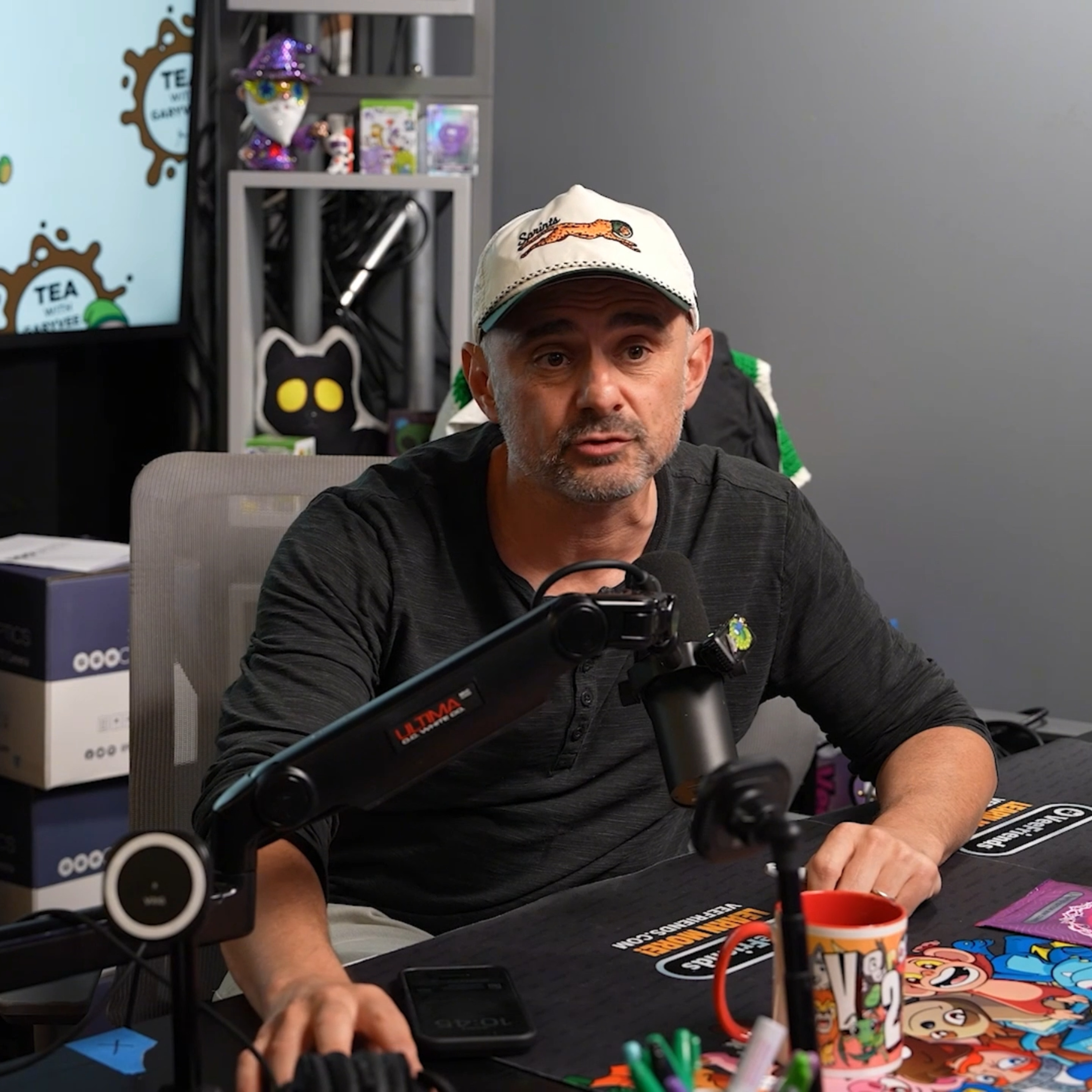
Hank Green argues the past 20 years of prioritizing STEM education was a mistake. As AI automates technical tasks like coding, uniquely human, liberal-arts skills—understanding people, communication, cultural resonance, and storytelling—will become the key differentiators for value creation.

As AI automates technical and mundane tasks, the economic value of those skills will decrease. The most critical roles will be leaders with high emotional intelligence whose function is to foster culture and manage the human teams that leverage AI. 'Human skills' will become the new premium in the workforce.

As AI handles more technical marketing tasks, skills like communication, storytelling, and motivating people become the key differentiators. The human element grows in importance as the technical side becomes more automated, making soft skills a critical investment for career growth.

Skills like curiosity, courage, creativity, compassion, and communication—often dismissed as "soft"—are becoming your primary competitive advantage. As AI handles more technical and routine work, these uniquely human capabilities are essential for innovation and long-term career survival.

Jobs based on deterministic, logical tasks are highly susceptible to AI replacement. Durable careers will be built on skills that rely on nuanced human understanding, like emotional intelligence, taste, and creativity. AI will replace translators but not comedians, because it lacks a true understanding of humor.

As AI handles analytical and data-driven tasks, the critical skills for salespeople shift. Emotional intelligence, listening, communication, and influencing decisions are no longer secondary 'soft' skills but have become the essential 'hard' skills that drive success and cannot be replicated by machines.
