Get your free personalized podcast brief
We scan new podcasts and send you the top 5 insights daily.
Stanford's business school uses an improv game where students rapidly list items in a category, prioritizing speed over accuracy. This exercise demonstrates that generating a high volume of ideas, even imperfect ones, is the most effective path to finding the best idea, as the best concepts often emerge late in the process.
Related Insights
Great ideas aren't planned; they emerge. Start with a small, tangible problem and begin building hands-on. This process allows the idea to gather momentum and mass, like a snowball rolling downhill. The final form will be bigger and different than you could have planned from the start.

To maintain a high creative output, Savannah Bananas founder Jesse Cole writes 10 new ideas every day. Crucially, he often focuses these sessions on a specific "idea bucket" or theme, such as developing characters for a new team. This transforms creativity from a sporadic event into a consistent, directed practice.
Conventional innovation starts with a well-defined problem. Afeyan argues this is limiting. A more powerful approach is to search for new value pools by exploring problems and potential solutions in parallel, allowing for unexpected discoveries that problem-first thinking would miss.
Creativity thrives not from pressure, but from a culture of psychological safety where experimentation is encouraged. Great thinkers often need to "sit on" a brief for weeks to let ideas incubate. Forcing immediate output stifles breakthrough campaign thinking.

True creative mastery emerges from an unpredictable human process. AI can generate options quickly but bypasses this journey, losing the potential for inexplicable, last-minute genius that defines truly great work. It optimizes for speed at the cost of brilliance.
The best creative solutions often surface when you're not actively working. After absorbing project information, stepping away for days or weeks allows the subconscious to process and connect ideas, leading to stronger, more innovative outcomes than forced brainstorming.
Breakthrough creativity, like that behind Disney's *Frozen* or behavioral economics, is often "innovation brokerage." It doesn't come from a blank slate but from combining established concepts from disparate fields—like mixing psychology with economics—to create something new and powerful.

Unconstrained brainstorming often leads to an 'addition bias'—a pile-up of new initiatives without considering resources or removing existing tasks. This results in team burnout and inaction, as people become overwhelmed. Effective ideation must balance adding new ideas with subtracting old commitments.
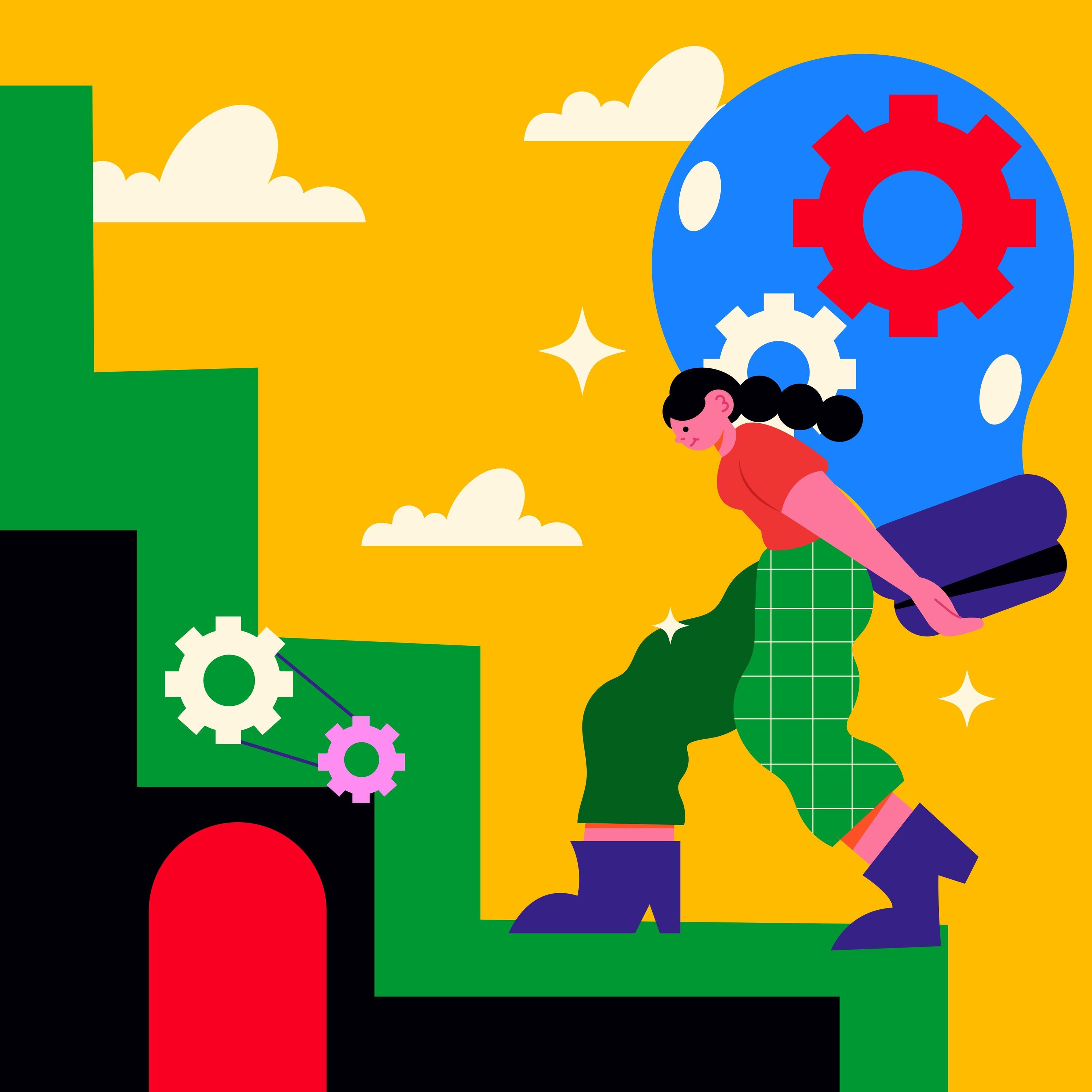
Instead of striving for perfection, the key to overcoming creative blocks is to allow yourself to create subpar work. Acknowledging that 80-90% of an initial draft will be discarded lowers the stakes and makes it easier to begin the creative process.

In the rapidly evolving AI landscape where ideas are quickly commoditized, the most valuable trait for a product manager is not having one great idea, but possessing the creative skill to generate many good ideas consistently. This creative muscle is more important than being attached to a single concept.